


Prof. Dr. Anita Ignatius
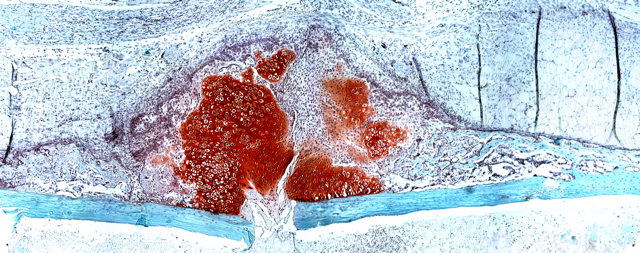
Ignatius group
- Bone metabolism
- Fracture healing
- Bone replacement materials
- Biomaterials
- Musculoskeletal biomechanics
Bone fractures are among the most common injuries of the musculoskeletal system. Despite major advances in treatment, impaired bone healing still occurs in a subset of patients.
Our research focuses on the cellular and molecular mechanisms of bone regeneration as well as the causes of impaired healing, for example in the presence of comorbidities, severe trauma, or advanced age. A particular emphasis is placed on the role of the immune system in bone healing. In addition, we develop novel therapeutic approaches, including the targeted modulation of bone-anabolic signaling pathways, immunomodulatory strategies, the use of mesenchymal stem cells and novel biomaterials.
In patients with multiple injuries, such as after traffic or workplace accidents, bone fractures often occur together with injuries to soft tissues or internal organs. Severe injuries can significantly impair bone healing. One possible reason is an overactive immune response triggered by trauma, which may interfere with the body’s natural healing processes. The Ignatius research group studies these mechanisms to develop targeted therapies that improve fracture healing in injured patients.
Haffner-Luntzer group
- fracture
- bone healing
- bone regeneration
- stress
- osteoporosis
- gut-bone-axis
- brain-bone-axis
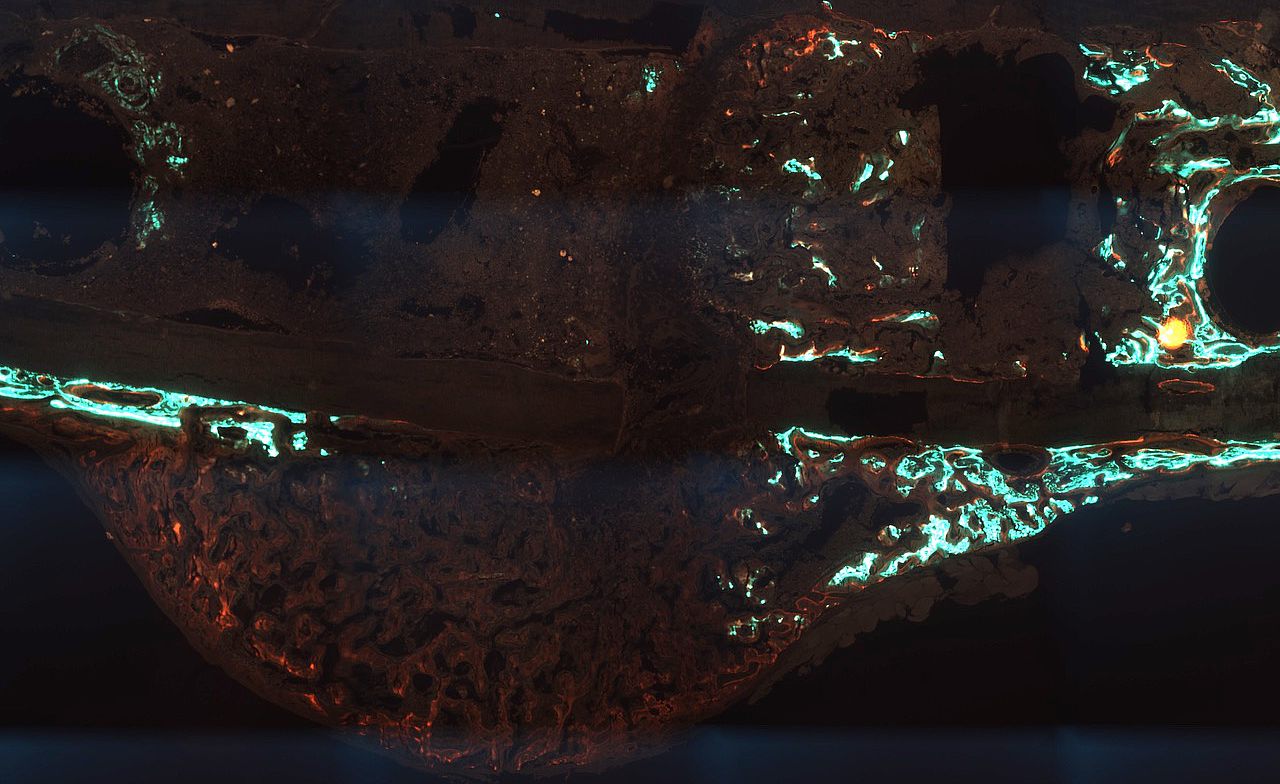
Bone has the fascinating ability to heal without scarring after injury. However, bone regeneration can be negatively influenced by a wide range of factors. The Haffner-Luntzer research group specifically investigates the impact of chronic stress, age-related osteoporosis, and postmenopausal osteoporosis on bone. Within these projects, we focus, among other aspects, on the influence of hormones, the immune system, and the gut microbiome on bone healing, as well as on the brain–bone axis.

Prof. Dr. Melanie Haffner-Luntzer