


Review of the year 2025
January
StudyCheck ranking: Ulm University once again in the top ten!
The university rating portal StudyCheck has named Ulm University as one of the "Top University in Germany 2025". Comparing all universities in Germany, Ulm ranks 7th, improving its position by three places. Overall, Ulm University achieved a score of 8.77 out of a possible 10 points in student evaluations. StudyCheck evaluated over 80,000 reviews from students and alumni for the ranking.
Deutschlandstipendium supports high-achieving students
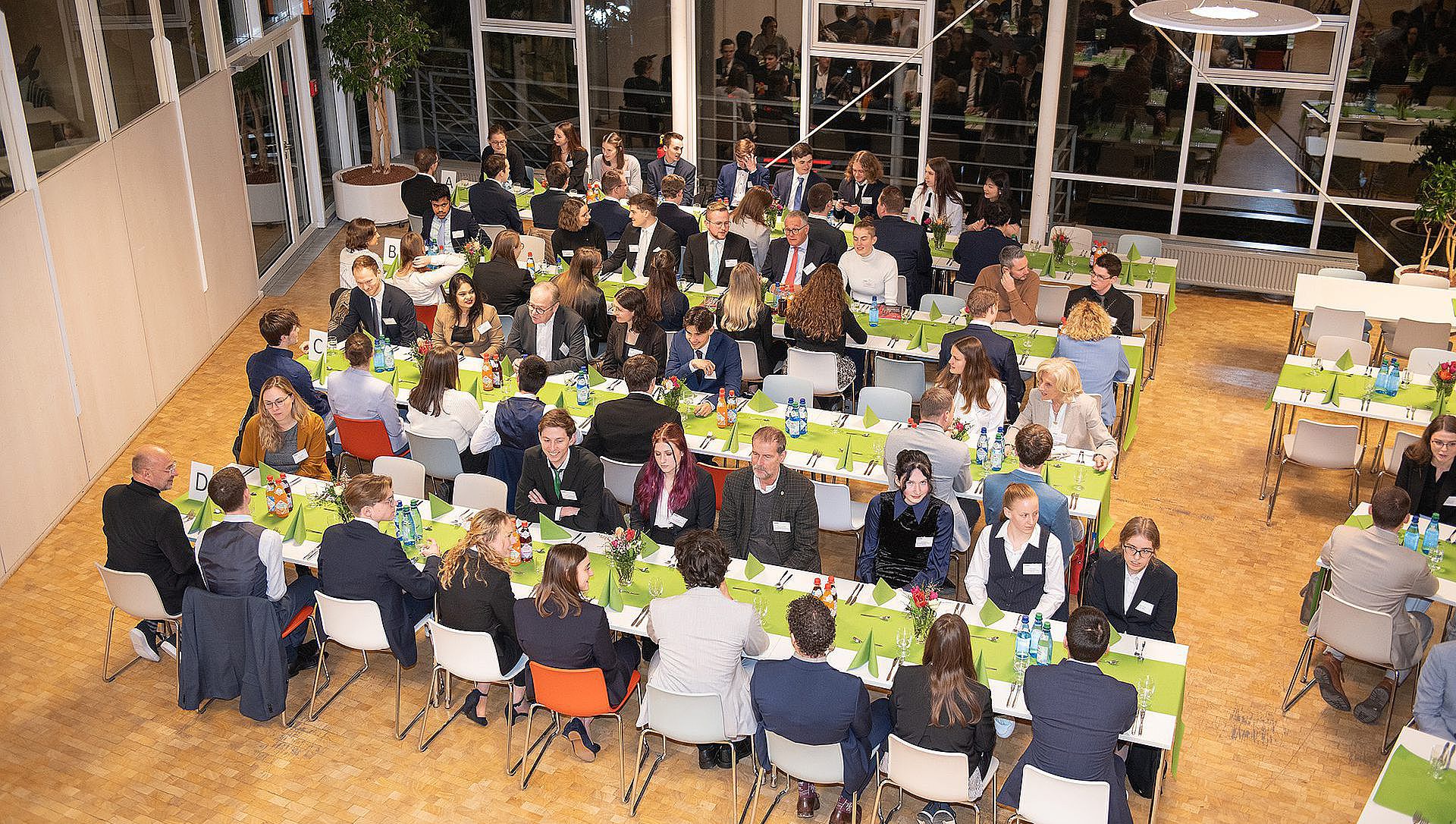
A total of 85 students at Ulm University have been awarded Deutschlandstipendium scholarships. Retroactive to the start of the semester in October, the young people will receive 300 euros per month for one year. Half of that comes from companies or individuals and half from the federal government. In addition to outstanding academic performance, the recipients score points for social engagement, professional experience and awards. The family background is also taken into account when awarding the scholarship. The Deutschlandstipendium is one of the most sought-after funding instruments for students. On the one hand, it is proof of academic success and, on the other hand, it brings companies into contact with tomorrow’s skilled professionals.
February
Dies academicus showcases outstanding academic achievements
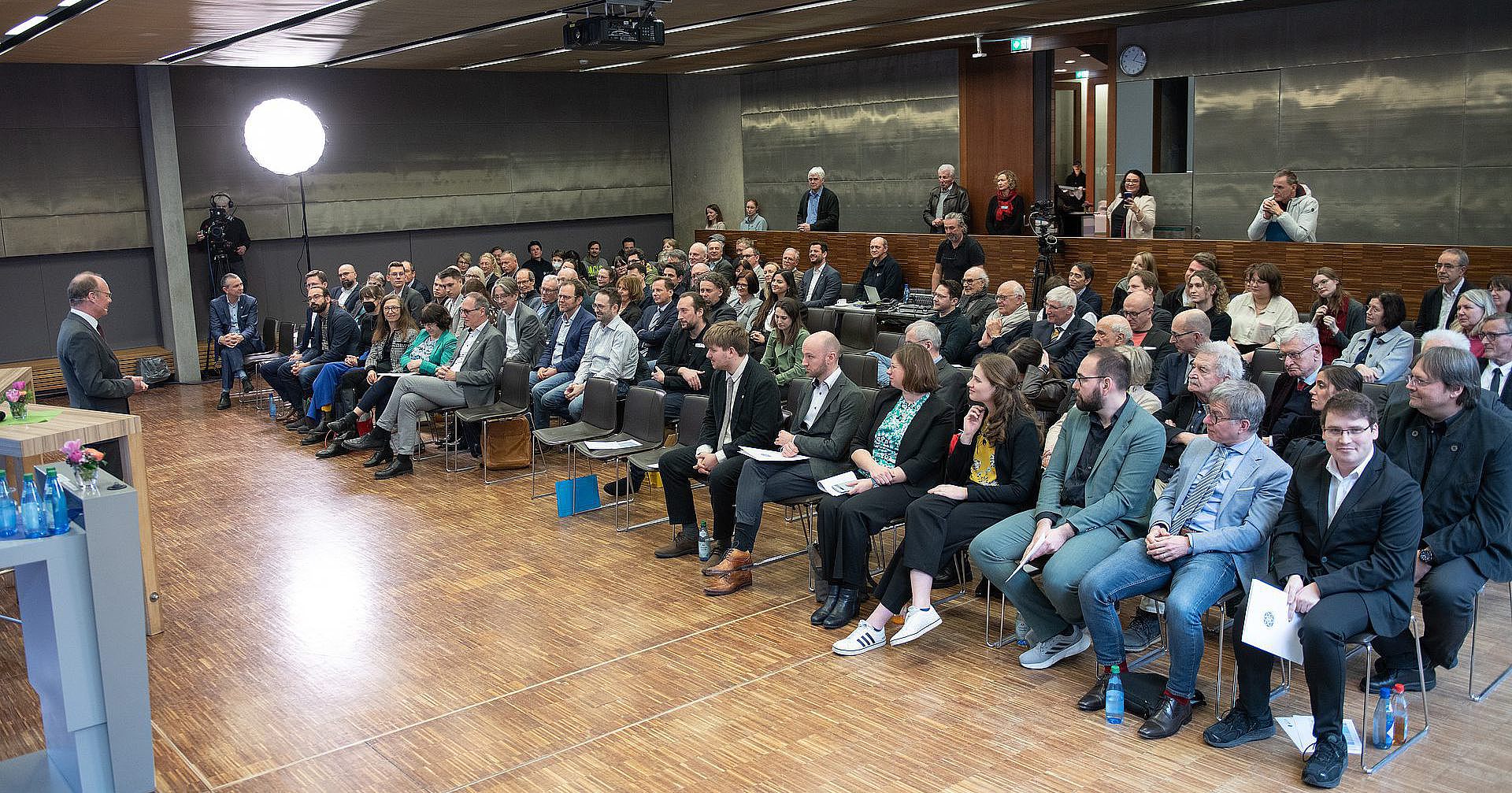
Around 10,000 students, 1,800 graduates, 500 doctorates and 1,000 research projects per year: 58 years after its foundation, Ulm University not only trains skilled professionals, but also conducts research on future topics at the highest level. Ulm University traditionally celebrates this with a ceremony at Dies academicus. Awards are presented to outstanding teachers, researchers and students, the Ulm University Society's doctoral prizes are handed out, and the new research incubators are introduced.
Shaping the digital future together
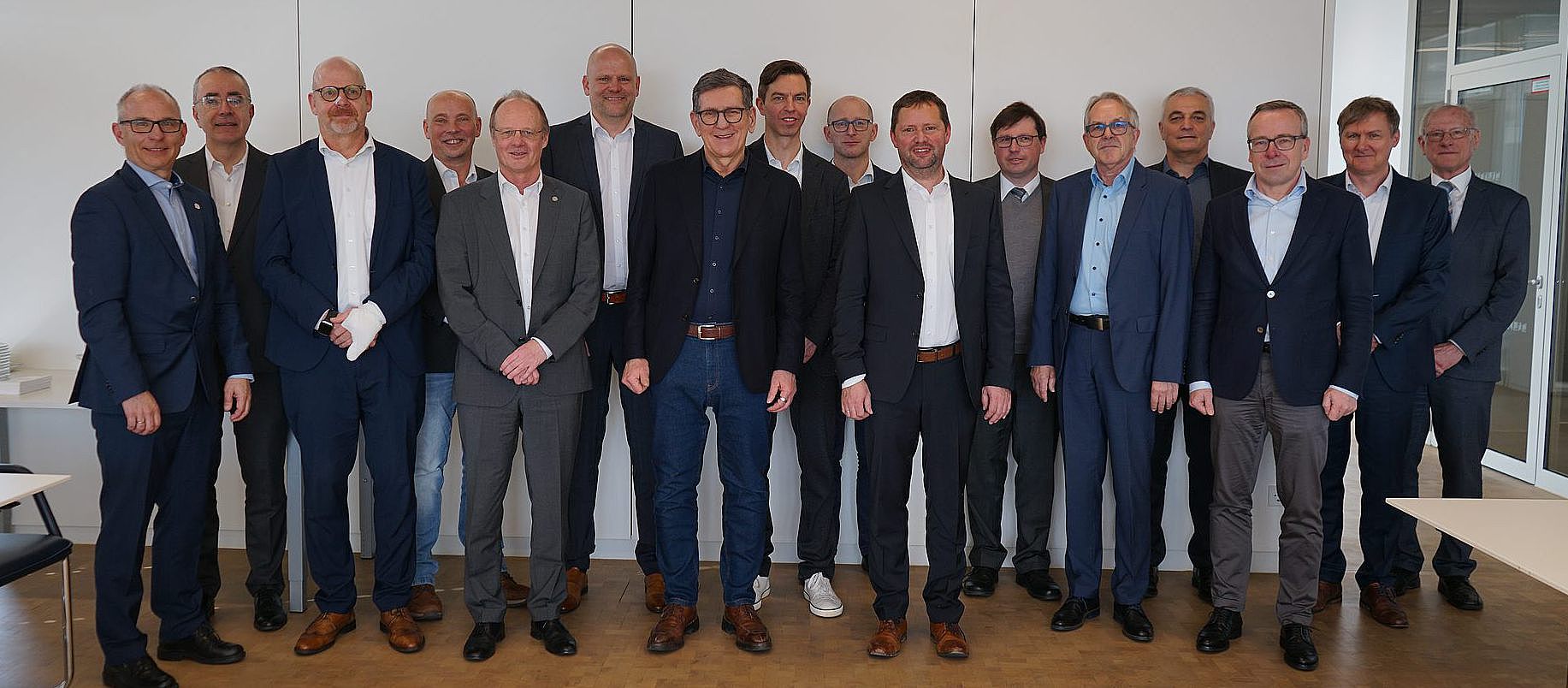
Ulm University and the Ferdinand Steinbeis Institute in Heilbronn are pooling their expertise in the field of digital transformation: in a cooperative graduate school funded by the Dieter Schwarz Foundation, up to 20 doctoral students are conducting research on topics related to digital change. The Graduate School Digital Transformation Heilbronn/Ulm focuses on close networking between science, business and society.
Capturing the wildlife of Costa Rica
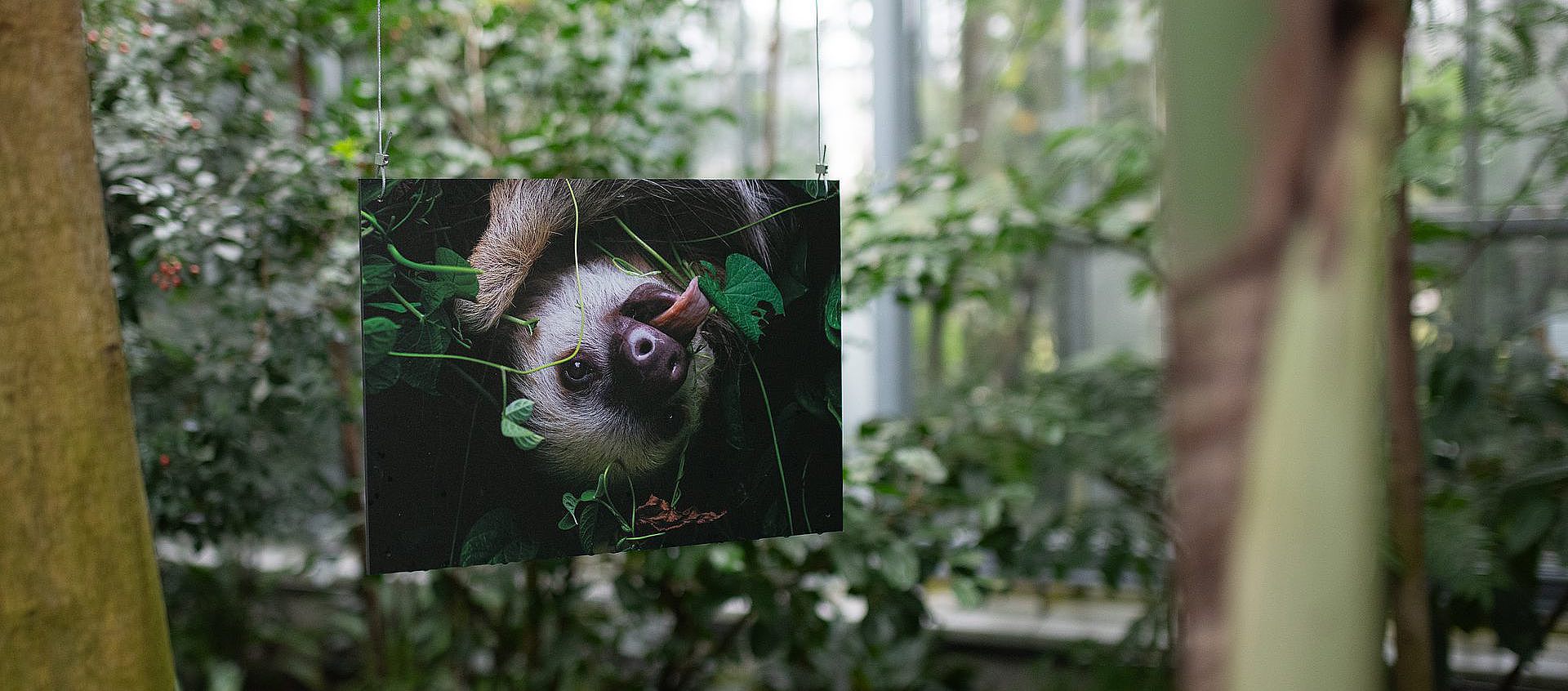
Biology student Alexander Honold has captured the fascinating wildlife of Costa Rica's rainforest with his camera during several exchange visits. From February to April, the Botanical Garden is presenting a selection of these photographs in an exhibition – appropriately set in the mountain rainforest and lowland rainforest greenhouses. The photo exhibition "In the Jungles of Costa Rica" can also be seen at the Stadthaus Ulm until 11 January 2026.
March
Ulmer Denkanstöße 2025
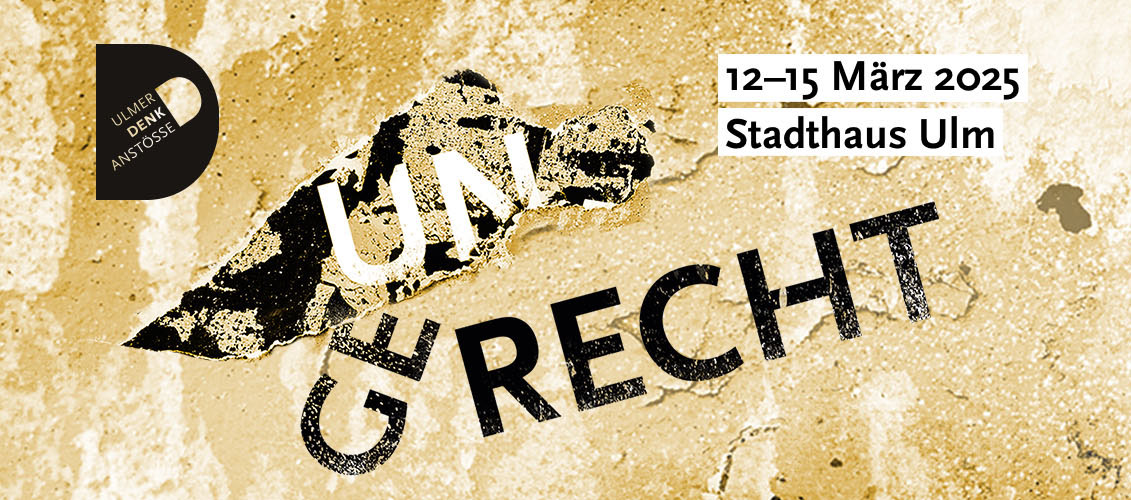
The 18th Ulmer Denkanstöße event, which takes place in mid-March at the Stadthaus, is dedicated to the complex interplay between law and justice. The opening lecture is given by Prof. Christoph Möllers from Humboldt University in Berlin, who addresses the fundamental rules of democracy and critically examines whether the law must protect us from politics. In addition to lectures, discussion panels, film, theatre and music, this year's event features a poetry slam, which attracts a large young audience to the Stadthaus. The event was organised by Ulm Universities Humboldt Centre, the Cultural Department of the City of Ulm and the Education & Social Affairs Foundation of Sparda-Bank Baden-Württemberg.
Ukrainian-German double degree programme
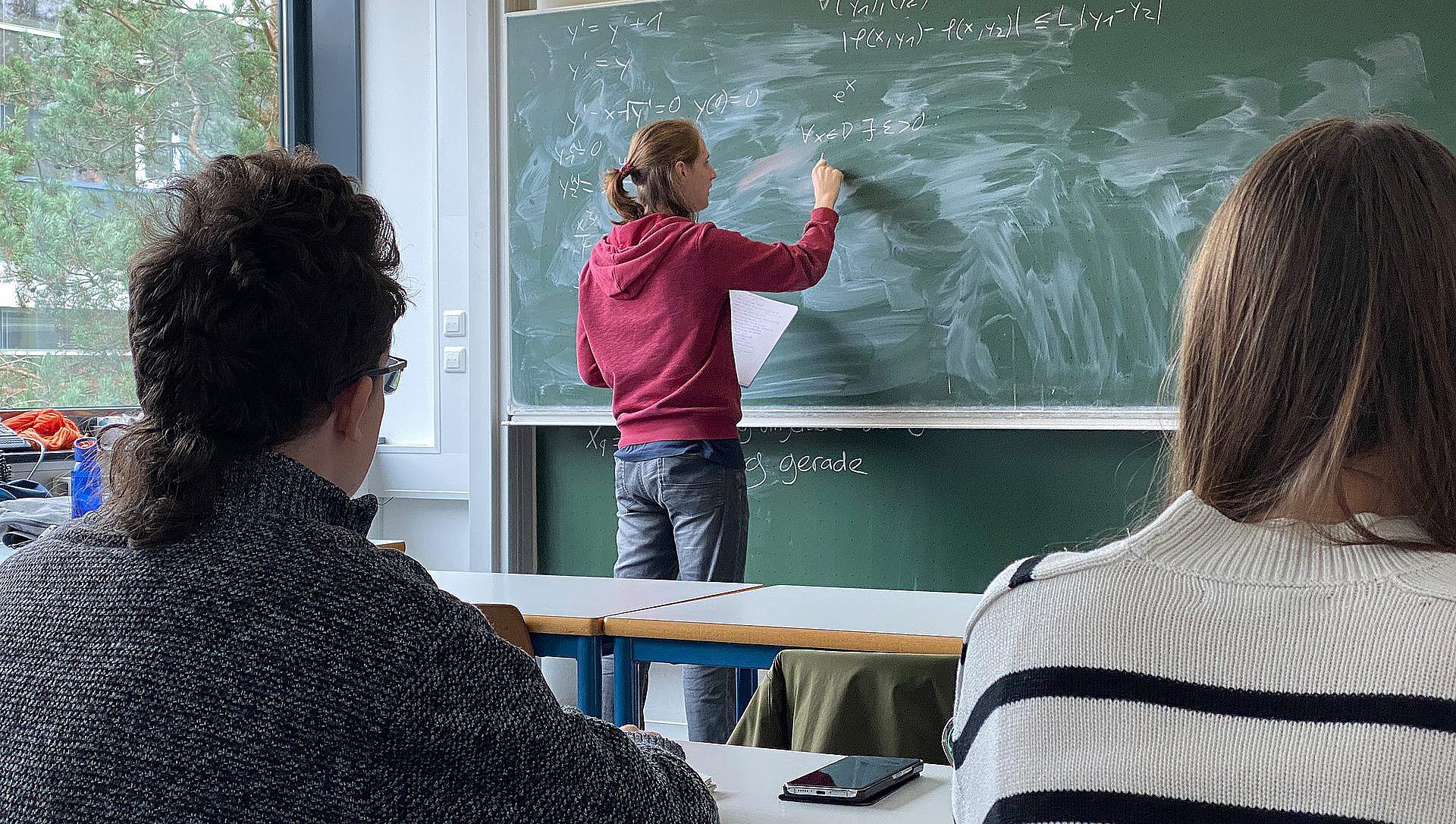
In partnership with the National Karazin University in Kharkiv, Ulm University has set up a Ukrainian-German bachelor's degree programme. This unusual programme offers a double degree in mathematics and computer science and combines online courses with face-to-face teaching. The programme is aimed in particular at young people from Ukraine who are currently living in Germany. The double degree programme, initiated by Ulm mathematician Prof. Evgeny Spodarev, is being run in close cooperation with the GOROD Cultural Centre in Munich.
April
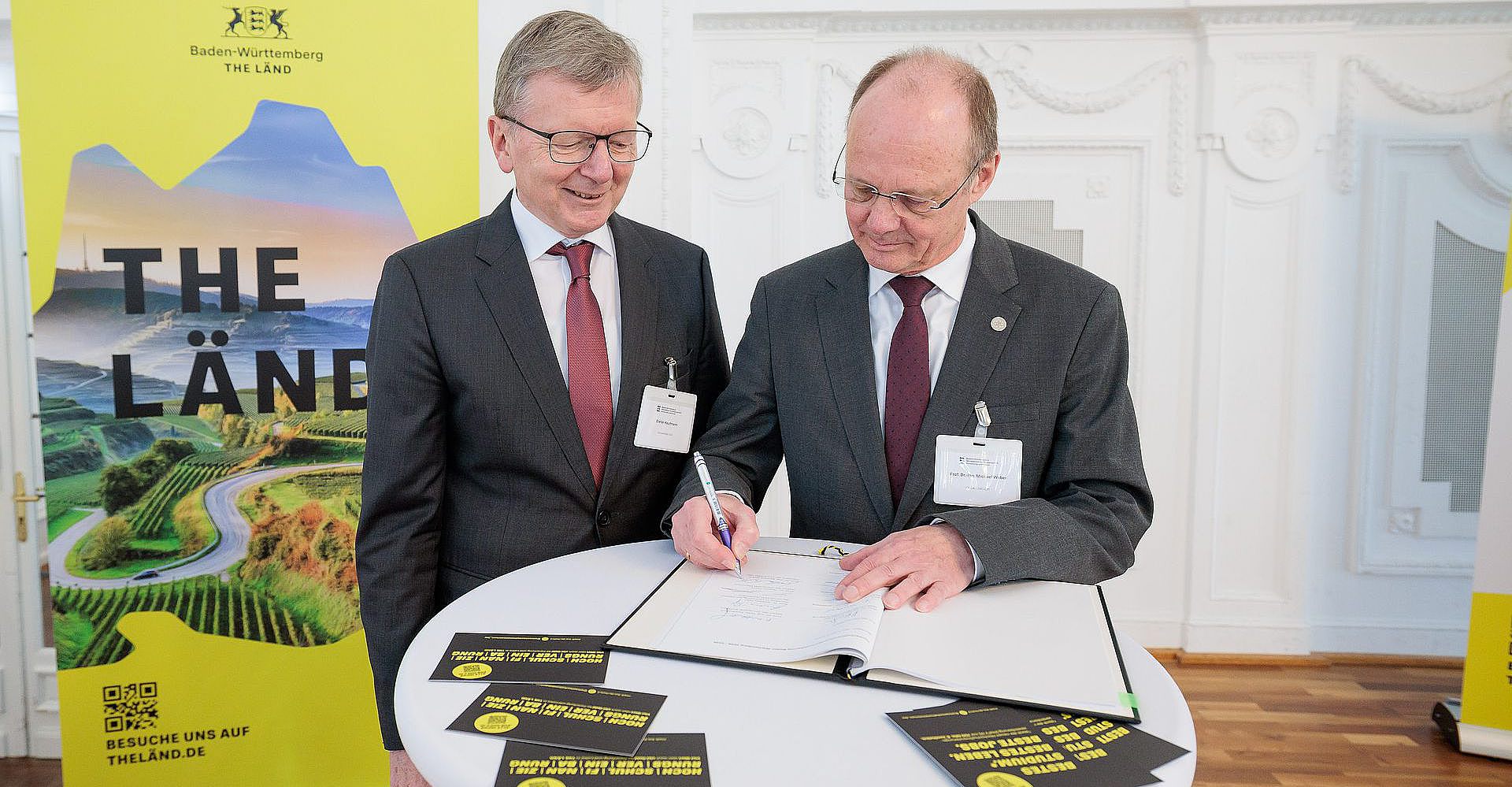
The Higher Education Funding Agreement HoFV III
Planning security for 2026 to 2030: this is the aim of the Higher Education Funding Agreement of the State of Baden-Württemberg, which is signed at the beginning of April. With HoFV III, the government wants to strengthen the state’s universities and medical faculties. Basic funding is to increase by 700 million Euros to a total of 23 billion Euros during this period. In addition, the "Future Programme University 2030" worth 180 million Euros is being set up to make it easier for universities to tailor their courses even better to the wishes and needs of business, society and prospective students.
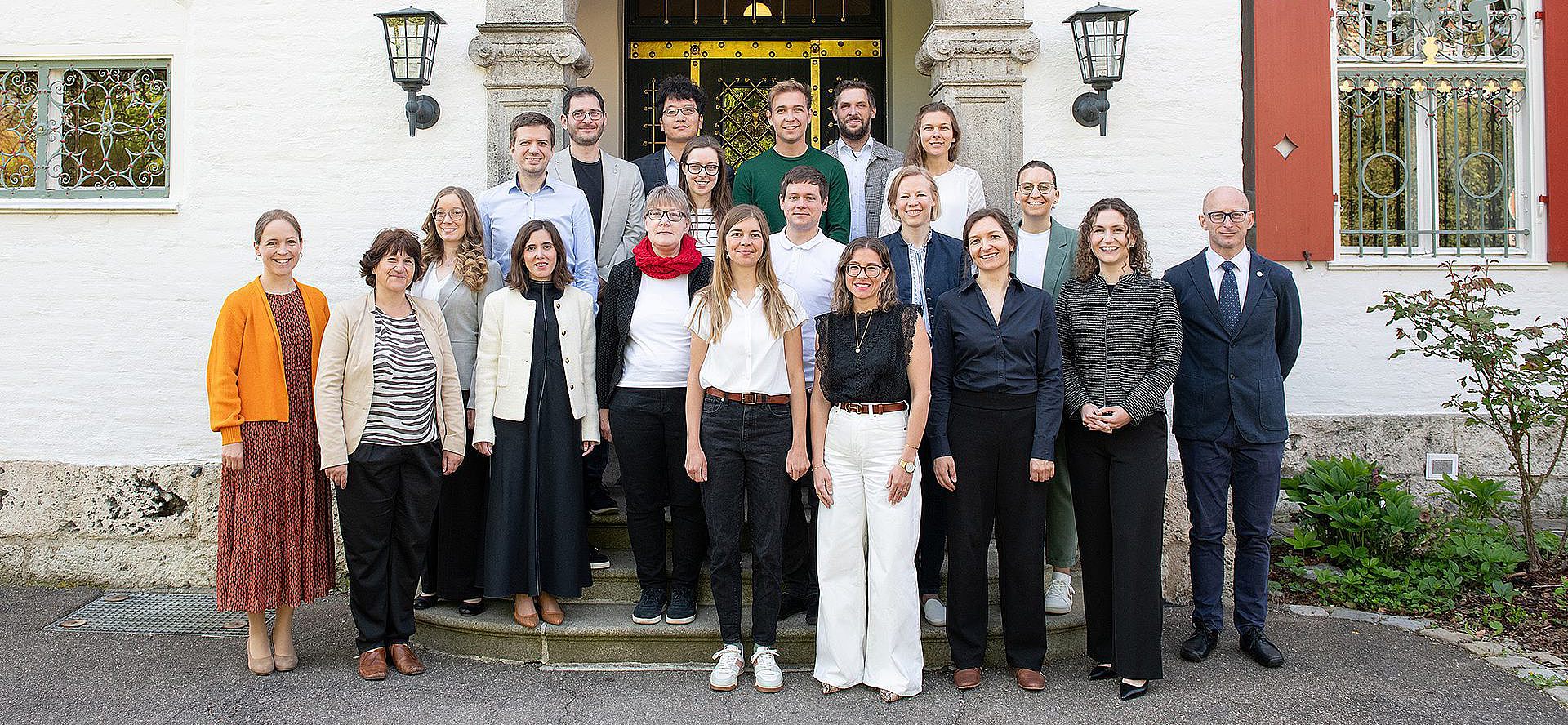
Impressive achievements in research and teaching
At the awards ceremony at the end of April in Villa Eberhardt, the university honours impressive achievements in teaching and research. Numerous young scientists are honoured and awarded – whether with start-up funding, young talent incubator grants or Science Day prizes. The university didactics certificates are also presented at the event, which is organised by the ProTrainU academy for young scientists.
May
POLiS Cluster of Excellence successfully extended
Cheers in Ulm, Karlsruhe and Giessen: the POLiS Cluster of Excellence has been extended for another seven years! The research network, which has been in existence since 2018, conducts research into innovative battery materials and storage technologies. In the coming funding period from 2026 to 2032, the scientists will focus on the realisation of full cells and the interactions between battery components. POLiS is the flagship of Ulm University’s Green Energy Campus. KIT and the University of Giessen are also involved in the research network.
Psychology degree programme impresses in CHE ranking
The Bachelor's programme in Psychology at the University of Ulm once again impresses in the CHE ranking 2025 with good support and digital flexibility. Students particularly appreciate the organisation of the programme, the support they receive during their studies, the classrooms, the IT infrastructure and digital teaching. The university scored particularly well in terms of programme organisation, with appropriate student numbers and good access to courses. In terms of study support, high-quality materials, comprehensive study advice and accompanying tutorials were particularly well received.
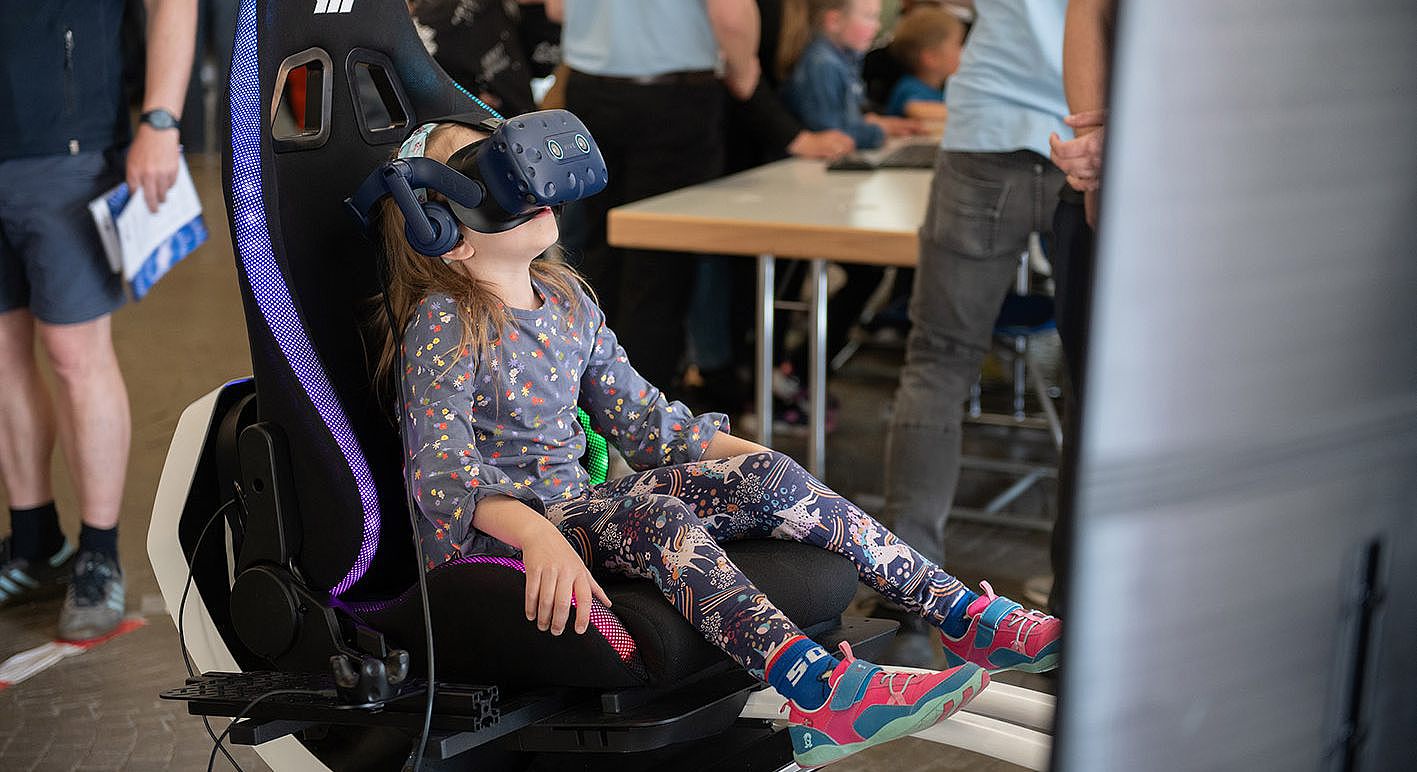
Long Evening of Science
Full house at the University of Ulm: around 2,000 visitors, including many families, make their way to Oberer Eselsberg for the "Long Evening of Science". The programme offers more than 90 activities, including lectures, experiments, guided tours and hands-on activities. The QuantumNight offers hands-on physics and interesting facts from the fascinating world of quantum physics. All other subjects are also well represented and present research projects and study programmes. Not only are crowds of visitors flocking to the Forum at the University East, but guests are also encountering amazing and educational programme points in the Botanical Garden.
First plaque of "100 Quantum Locations" goes to Ulm
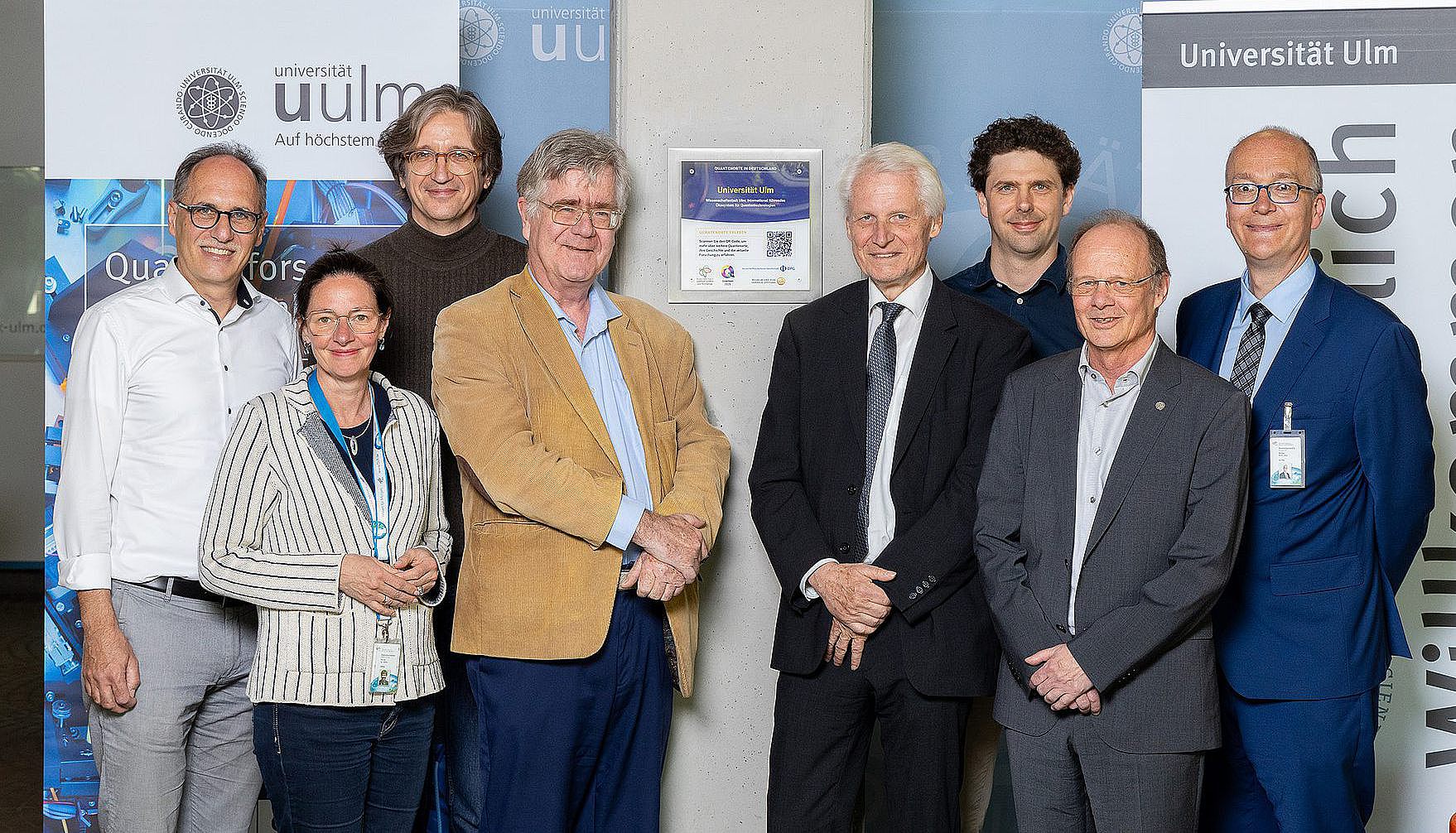
On behalf of the German Physical Society (DPG), physicist Prof. Claus Lämmerzahl travels from Bremen to Ulm. He brings with him a plaque from the DPG initiative "100 Quantum Locations", which jointly honours Ulm University and the DLR site in Ulm as the first quantum location in Germany. The plaque highlights places, buildings and institutes that have a special connection to quantum physics. The plaque unveiling was celebrated in the university forum together with researchers from the German Aerospace Centre.
June
Neudecker-Scott Foundation supports cancer research
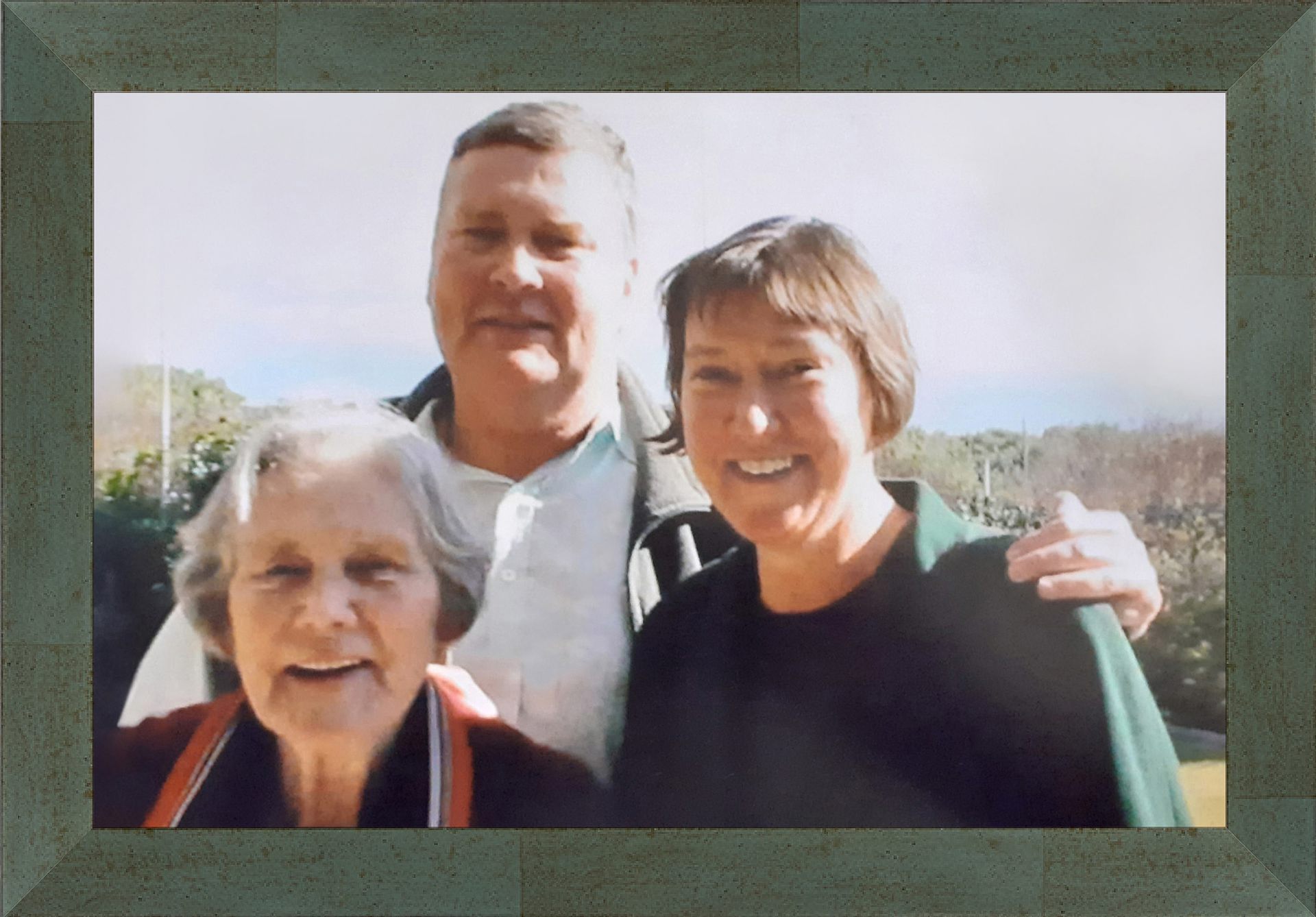
In memory of Hedwig Johanna Scott, née Neudecker, who died of pancreatic cancer in Melbourne on 5 June 2012 at the age of 79, her surviving relatives have established the Neudecker-Scott Foundation. Due to the family's roots in southern Germany and the excellent international reputation of cancer research at Ulm University, the foundation is based in Ulm. Its aim is to promote translational research into the early detection and prevention of pancreatic cancer. At the express wish of her son Henry Maurice Scott, who also suffered from pancreatic cancer, the entire estate goes towards setting up this research fund. The foundation is ultimately established by Hedwig's daughter Helene Raya Scott. This is announced in June.
Botanical Gardens BioBlitz
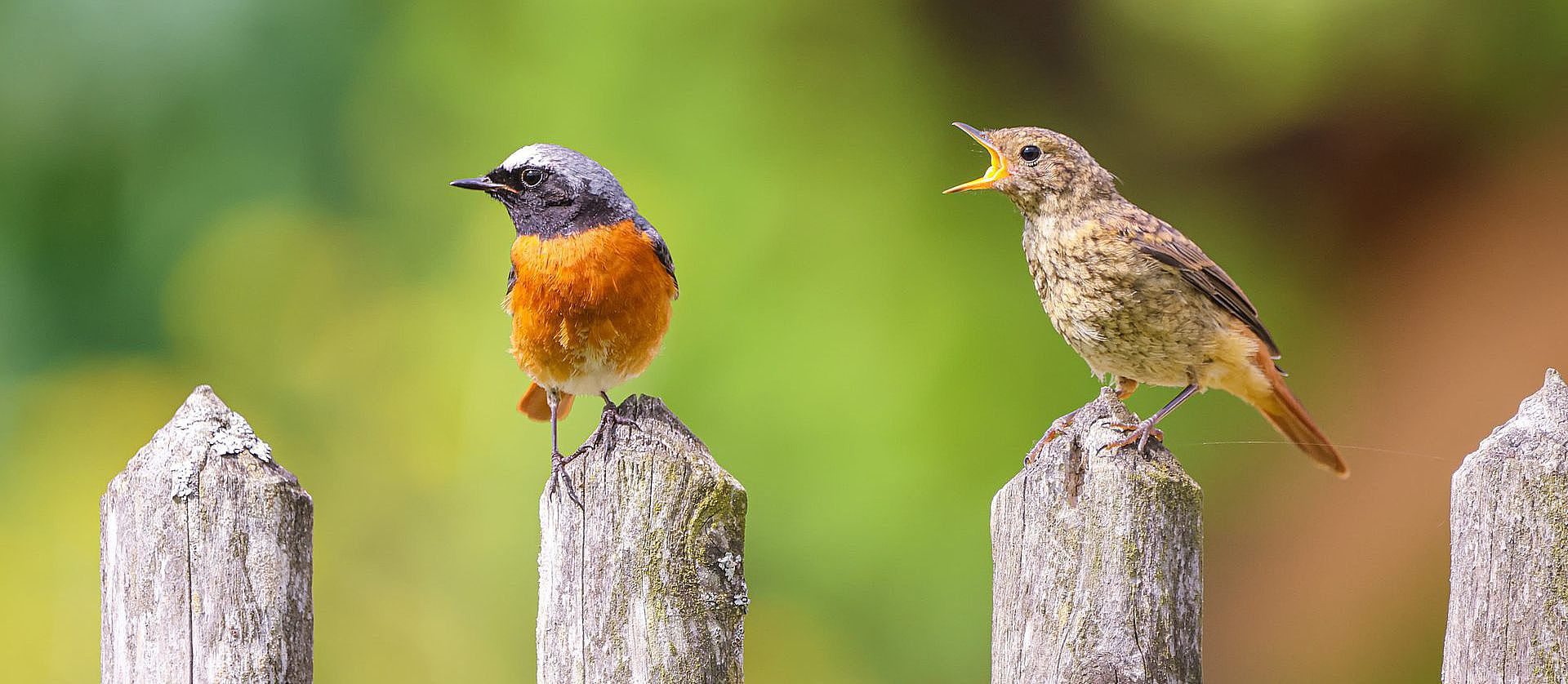
Ulm performs excellently in the Botanical Gardens BioBlitz in German-speaking countries, coming fourth behind the gardens in Graz, Berlin and Bonn! During the interactive week, a total of 1,114 species are observed in the Botanical Garden Ulm Universityand documented and identified with the help of the iNaturalist app. Ulm University also provides the overall winner with the most species observed: biology student Leon Wischenbarth spent an average of three hours a day in the Botanical Garden and made 1,447 observations of 768 different species.
July
Emotional graduation ceremony on Münsterplatz
On the Friday before the Schwörwochenende, around 800 graduates are bid farewell by the Ulm University in the middle of the city on Münsterplatz. It is the second academic graduation ceremony of this kind after the premiere one year earlier. A total of around 4,000 people gather at Münsterplatz to celebrate exuberantly until late in the evening. The programme includes an entertaining stage show, a serenade by professors, a guest performance by the Fischerstecher and, of course, the hat throwing ceremony against a dream backdrop in perfect summer weather.

#LINO 25 on chemistry inspires young researchers
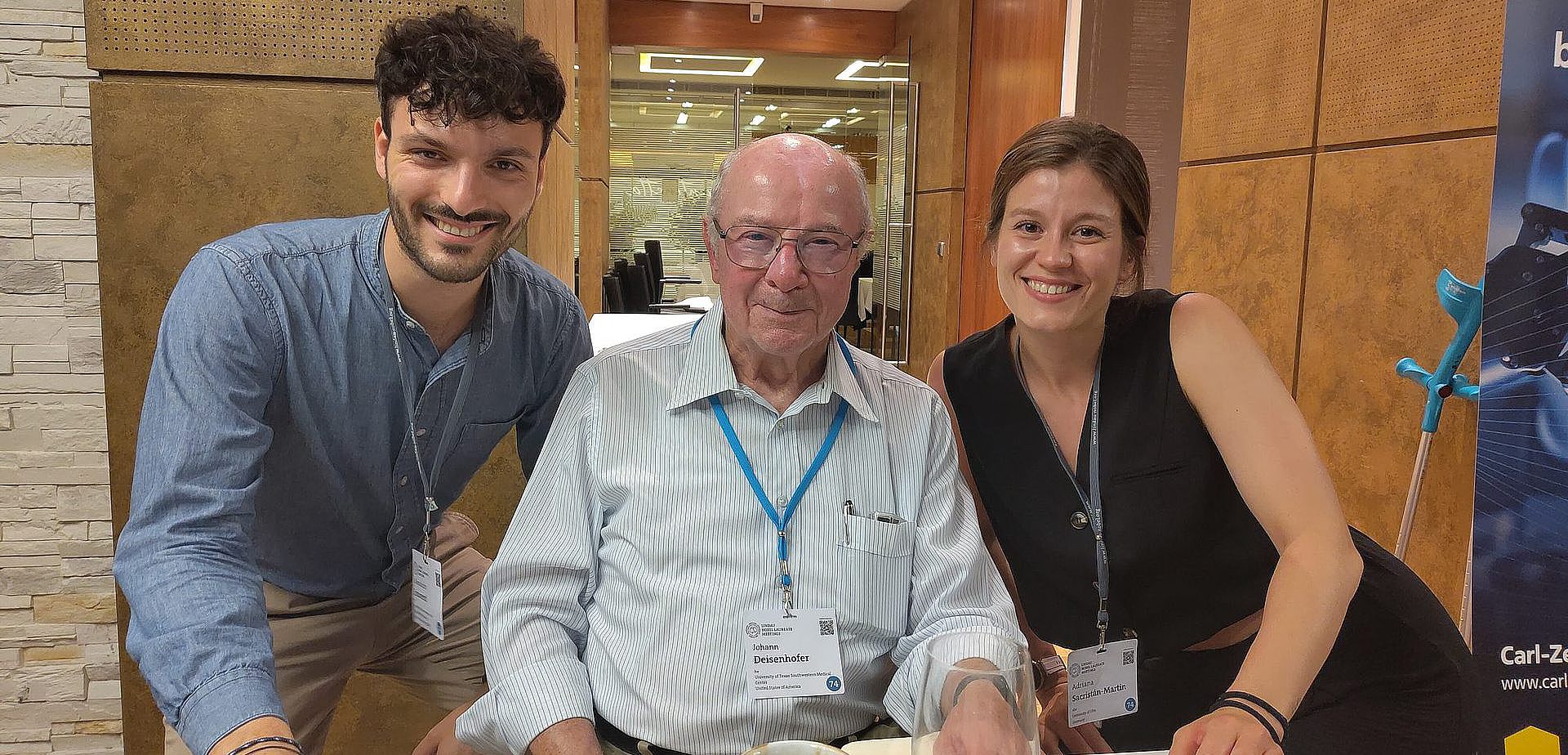
33 Nobel Prize winners meet more than 600 young scientists from all over the world at Lake Constance: the occasion is the 74th Nobel Laureate Meeting (Chemistry) in Lindau at the beginning of July. Also in attendance are Dr Alessandro Innocenti and Dr Adriana Sacristán Martín, two young researchers from Ulm. Following the conference, 18 young chemists from 13 countries visit Ulm University. There they learn about promising career opportunities in the POLiS Cluster of Excellence and the CataLight Collaborative Research Centre.
Medical students train in VR emergency room
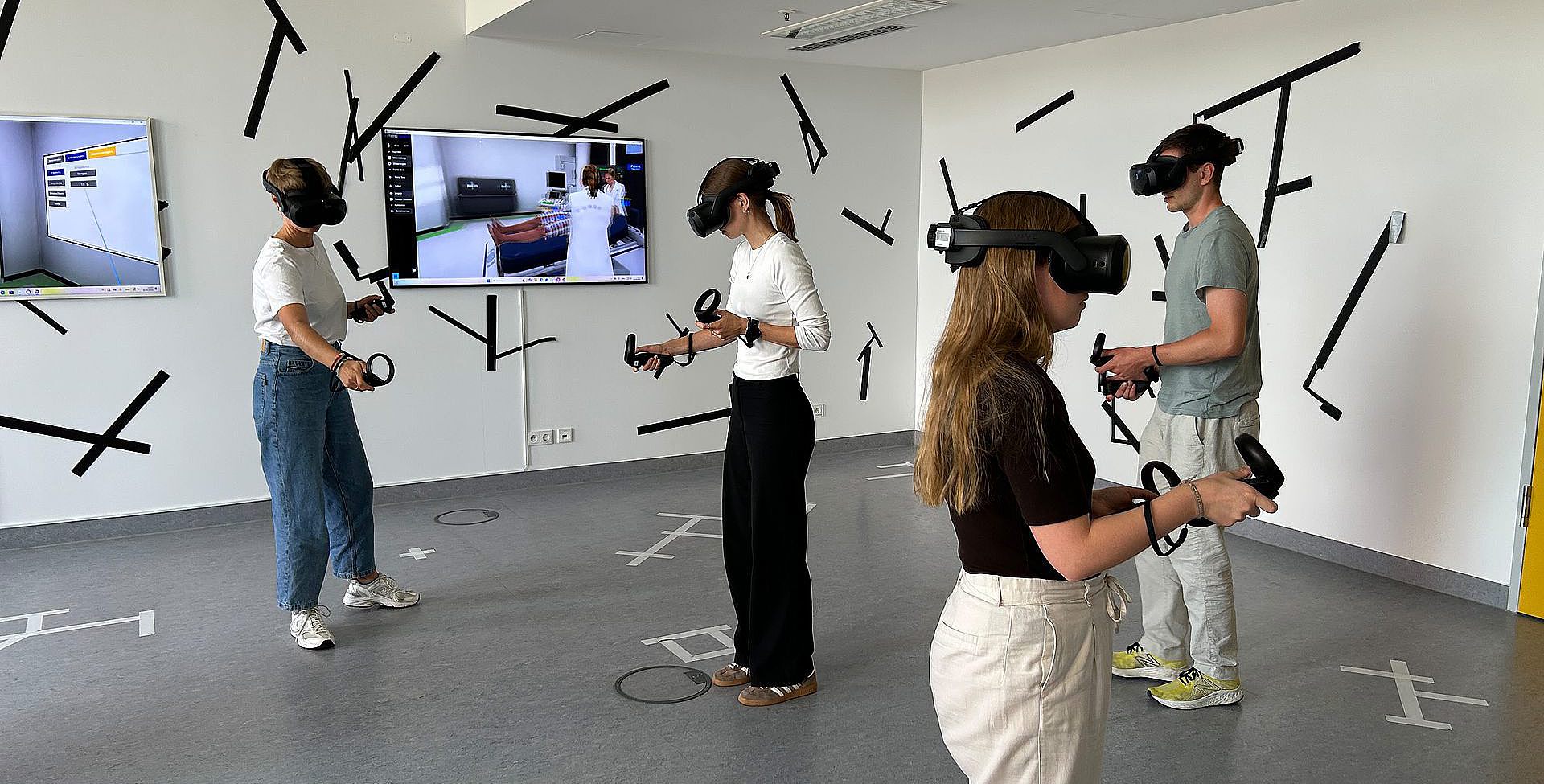
At Ulm University, medical students can train in a virtual emergency room and practise treatment procedures independently of time and location. Together with the Ulm-based company TriCAT, the Medical Faculty has created a state-of-the-art virtual learning environment based on the real training emergency room at the TTU training hospital. The advantage: through repeated training, students deepen their skills and become more confident in dealing with emergency situations.
August

AI chatbot: Digital owl assists with student counselling
The International Office at the University of Ulm is breaking new ground in digital counselling throughout Germany: it is the first international office to launch a chatbot based on a large language model. The chatbot appears as an owl wearing a bachelor's cap and is named "Ulma" – in reference to the owl as a symbol of knowledge and orientation – and speaks 30 languages. Ulma automatically recognises the language in which it is addressed and responds accordingly – from Arabic to Ukrainian.
September
Play about abuse of power in the lecture hall
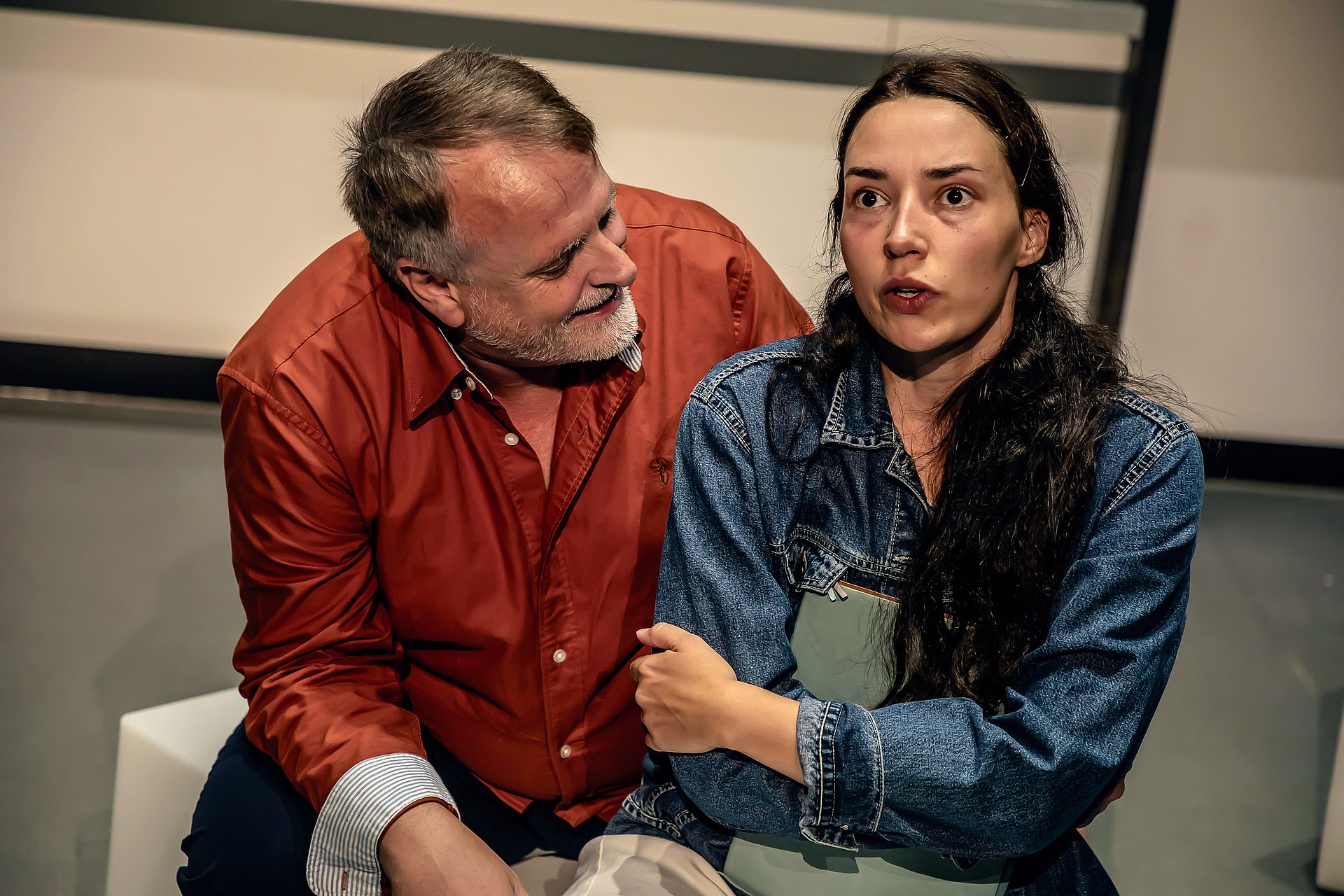
The Theater Ulm stages the dramatic two-person play "Oleanna" in a lecture hall at the Ulm University. Set against an authentic backdrop, the play is about a power struggle between a professor and a student, in which the authority to interpret truth and lies slips away. The premiere guests praise the topicality of David Mamet's material in times of the MeToo debate. This is the first time the ensemble has performed at a university venue.
GAIN highlights opportunities in Germany
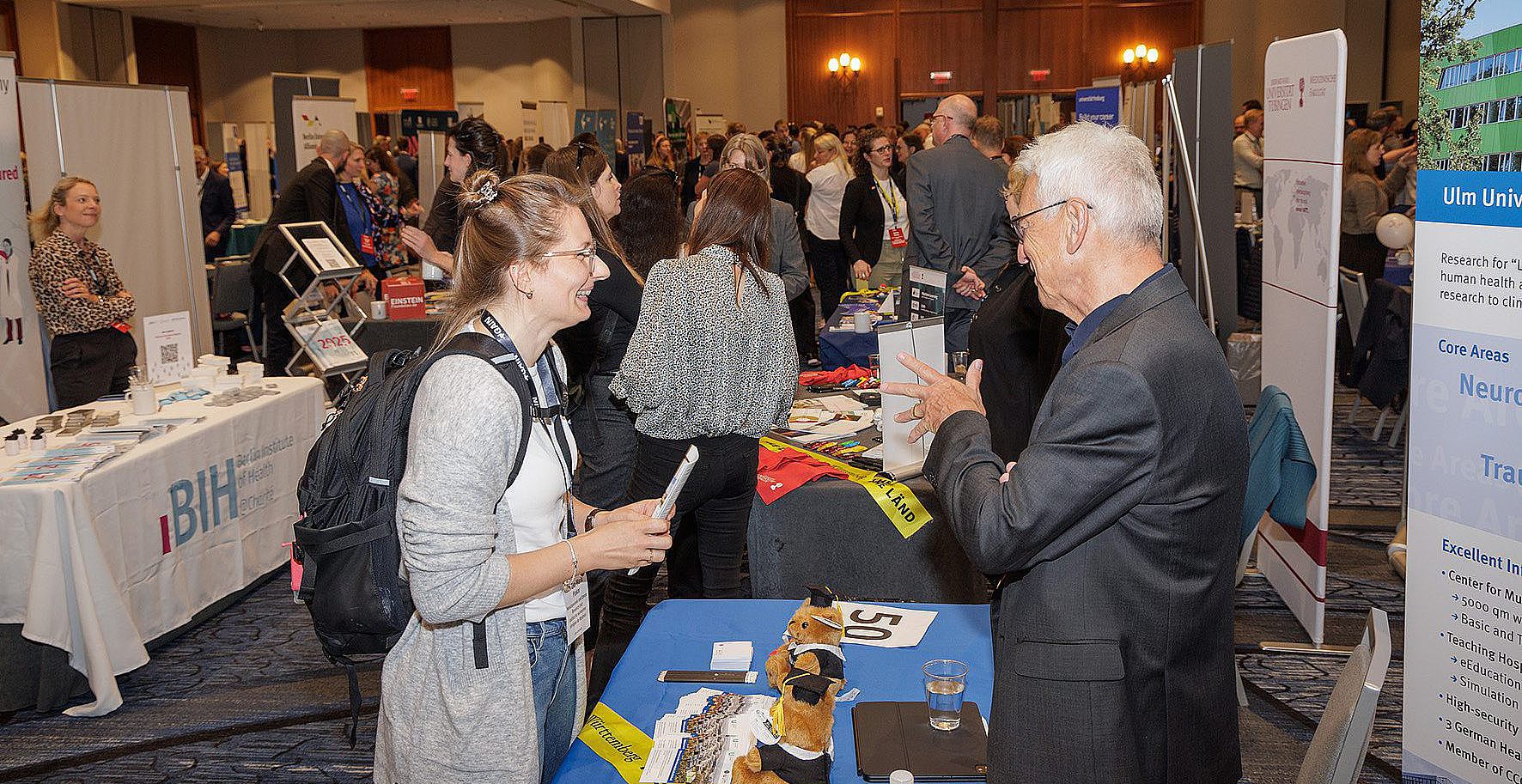
With over 600 participants, GAIN25, Germany's largest science and career fair, sets a new attendance record. At the fair in Boston (USA), German universities, research institutions and scientific organisations provide information on career opportunities to interested young researchers in early career stages careers. For the first time, the fair is also targeting non-German-speaking researchers working in North America who are interested in Germany. Ulm University and Ulm University Hospital are also represented.
Arrival in the heart of Ulm
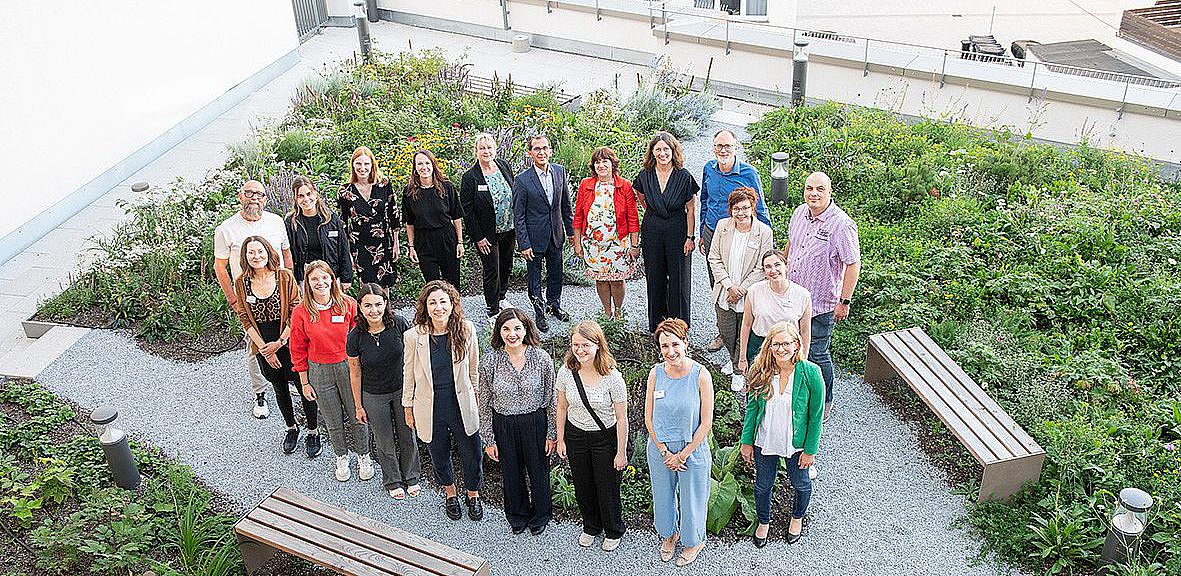
The Psychotherapeutic University Outpatient Clinic (PHSA) celebrates its official opening at its new location in Ulm's pedestrian zone. Seventeen therapists treat the entire spectrum of mental illnesses in the rooms, which were completed in 2024. A particular focus is currently on depression, anxiety, post-traumatic stress disorder and eating disorders. Over 300 patients are treated at the PHSA each quarter. In addition, students of the new Master's programme in Clinical Psychology and Psychotherapy can gain the necessary practical experience there.
October
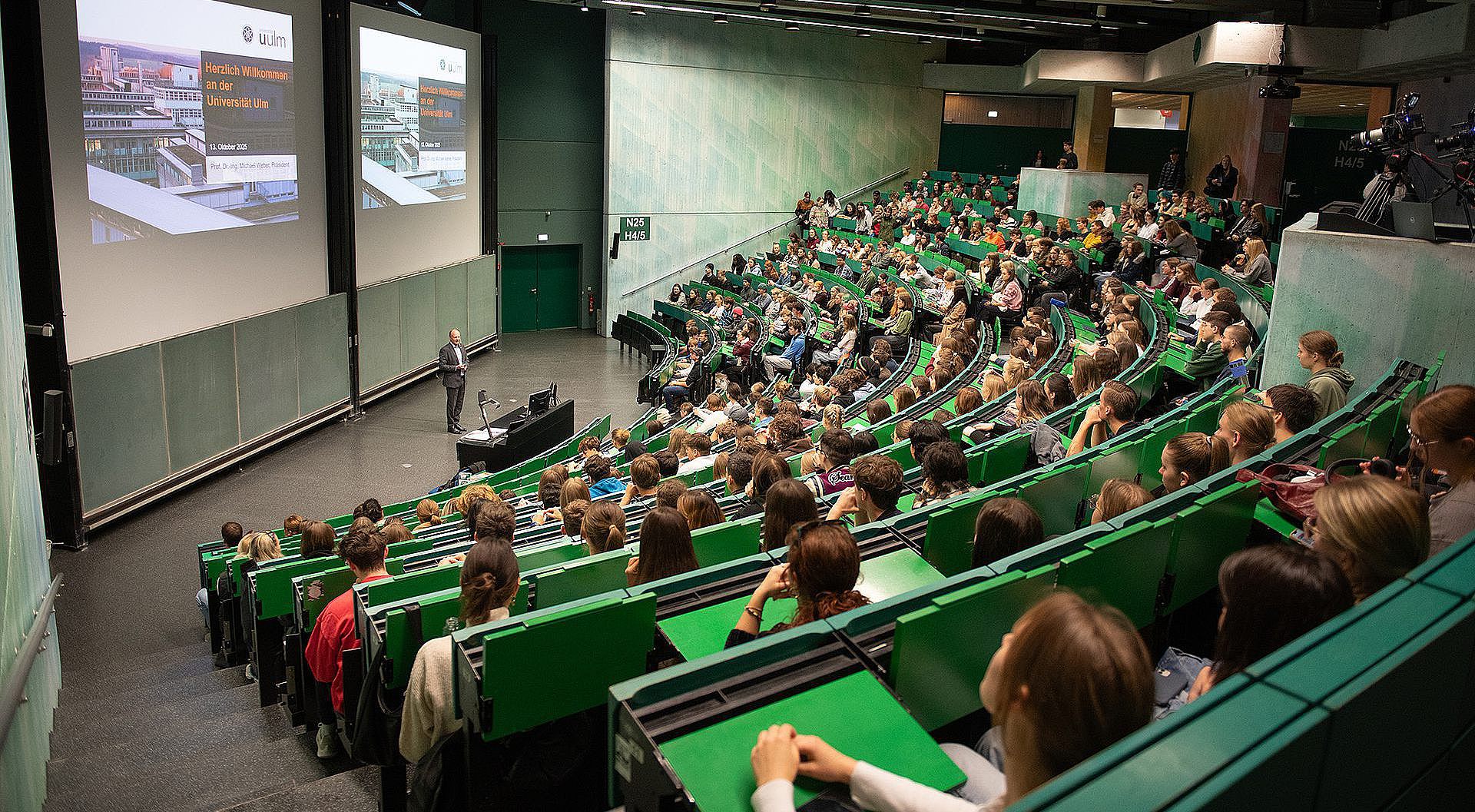
Around 1,800 first-year students begin their studies
Around 1,800 young people are starting a new chapter in their lives Ulm University this winter semester. This includes over 900 first-year students who are beginning an undergraduate degree and almost 900 new enrolments who were already enrolled and are now continuing their studies in Ulm or have changed subjects. A total of almost 10,000 students are enrolled for the 2025/26 winter semester.
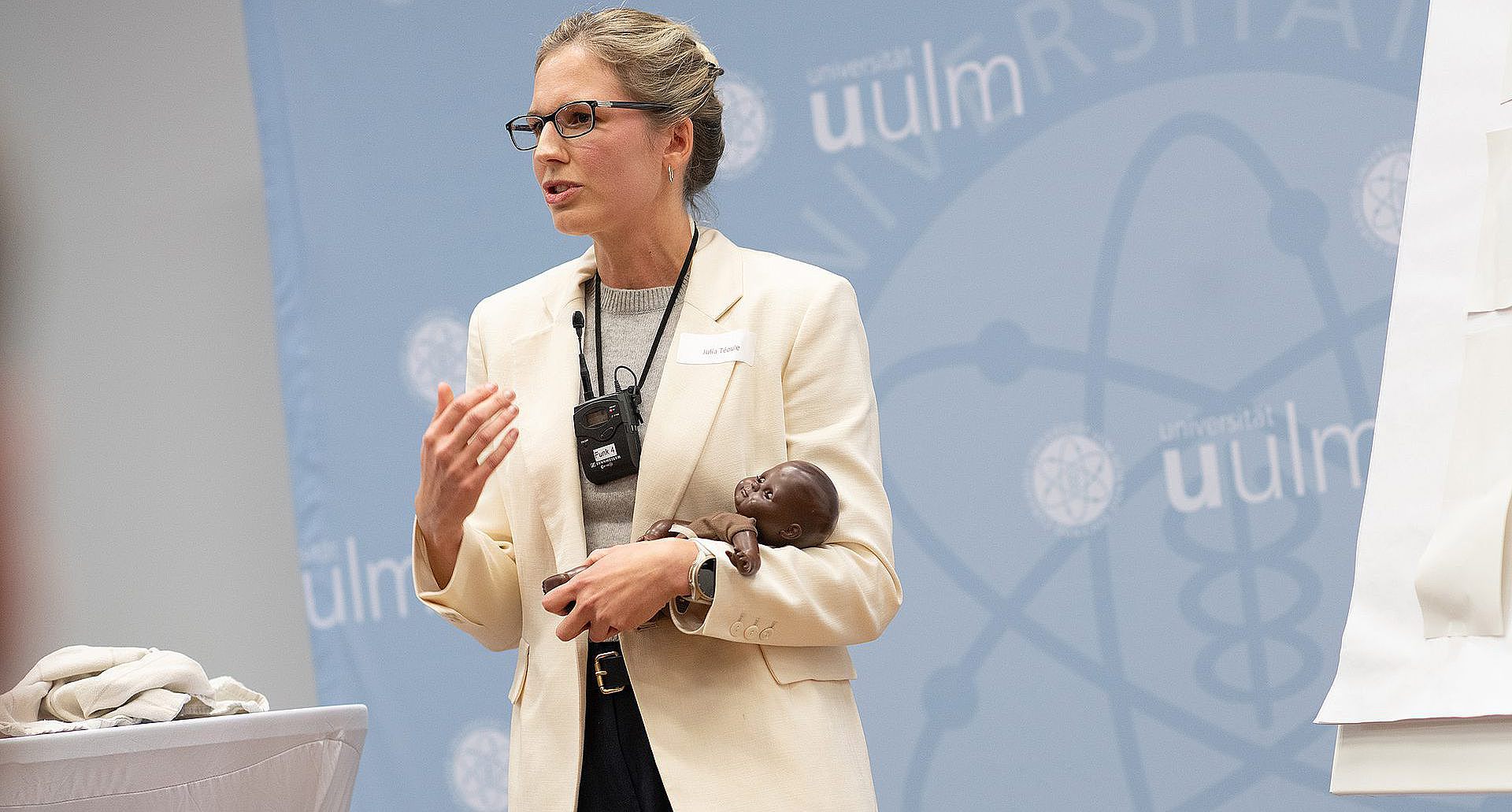
The stage is set for creative young researchers
With the fifth edition of the Young Researchers' Science Day, the ProTrainU Academy for Young Researchers proves that enthusiasm and thoughtfulness have a firm place at Ulm University. At the event, young researchers compete in short presentations for more than 80,000 euros. In his guest lecture, science journalist Dr Jan-Martin Wiarda defends the freedom of research, which according to him requires each and every scientist’s commitment.
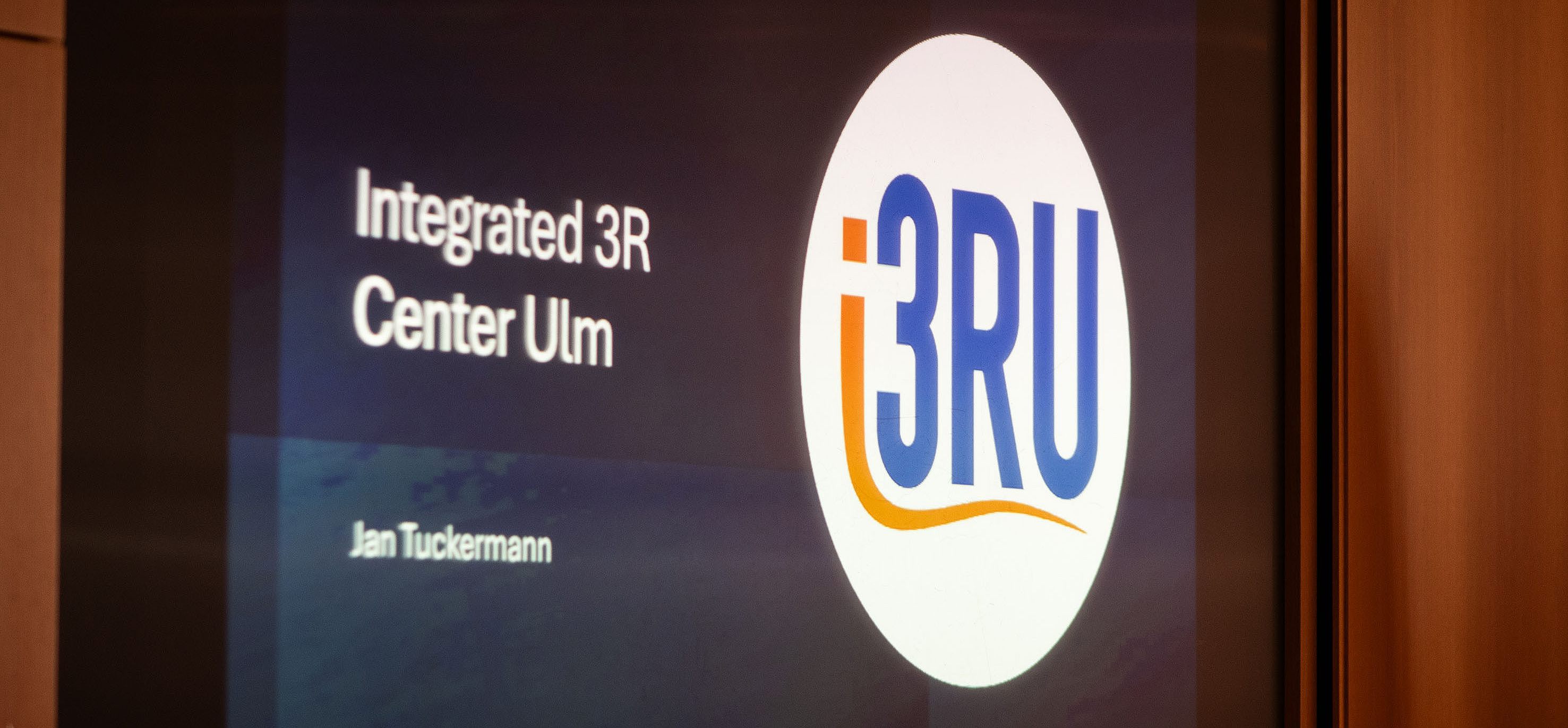
Replacing, reducing and improving animal testing
Developing alternative methods to animal testing is the main goal of the 3R Network at Ulm University. The abbreviation 3R stands for "Replace, Reduce, Refine", i.e. replacing animal testing, reducing it and improving conditions in cases where animal testing is unavoidable. Ulm University Ulm is home to one of three new 3R centres in Baden-Württemberg and builds on its many years of experience in optimising unavoidable animal testing.
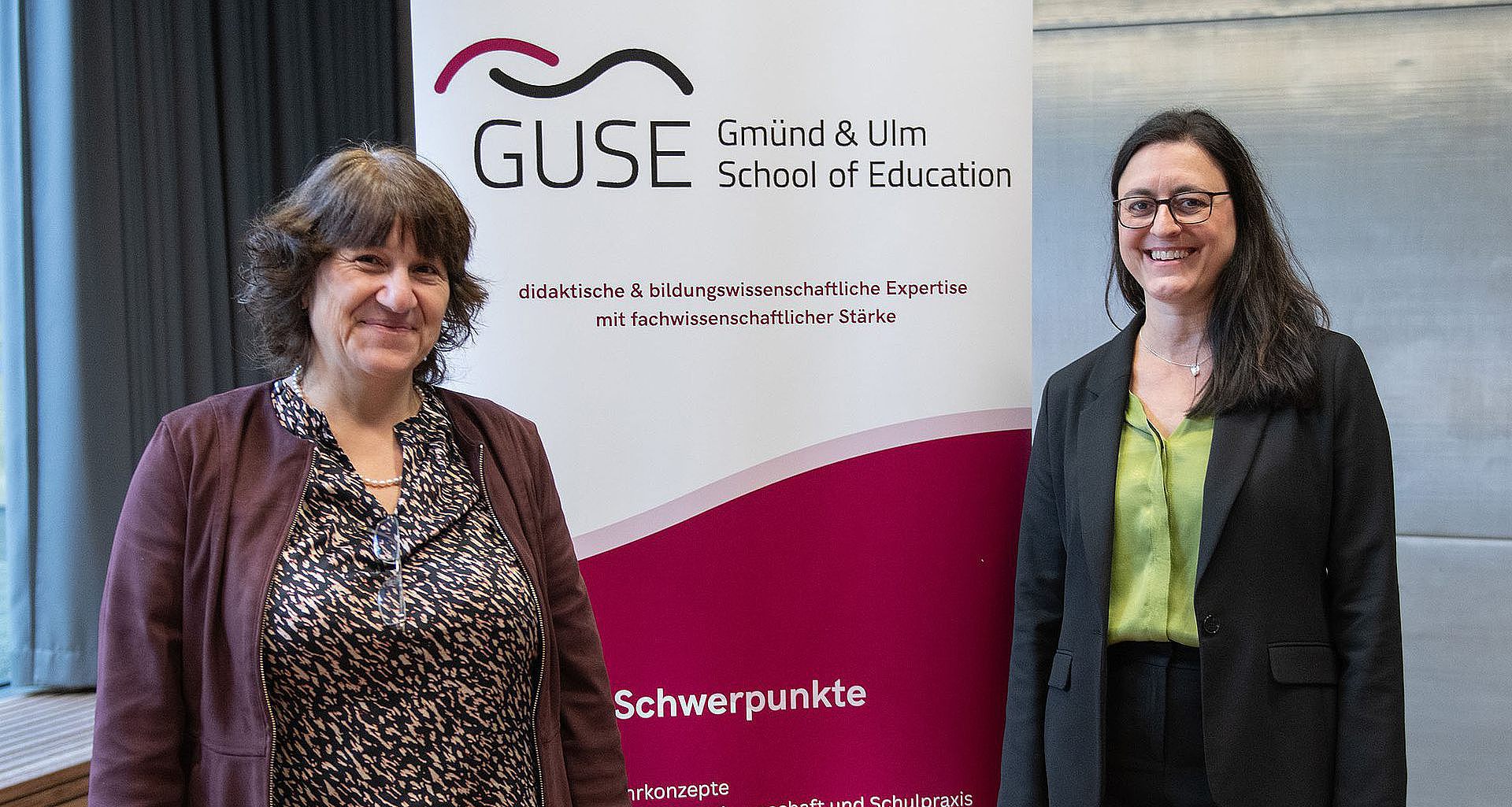
2.1 million euros for Gmünd Ulm School of Education
The Baden-Württemberg Ministry of Science is providing up to 2.1 million euros in funding for the Gmünd Ulm School of Education (GUSE). GUSE is a joint institution of Ulm University and the University of Education in Schwäbisch Gmünd. 1,800 teacher training students and 280 teachers at both locations will benefit from innovative, scientifically sound and practical teacher training. GUSE stands for innovative teaching concepts, individualised support and a close interlinking of science and school practice. The focus is on STEM promotion, digitalisation, inclusion and AI in teaching and learning.
November
Study Information Day and Master's Days
During the "Study Orientation Week", school pupils from across the region come to Oberer Eselsberg to see what Ulm University has to offer. On Study Information Day, they get a taste of campus life, attend real lectures and browse through study programmes and mountains of information material. Special this year: the Master's Days! These are aimed at Bachelor's students who are looking for suitable Master's programmes. There, they not only find out what courses are available, but also what research topics are covered in them.
Four Ulm researchers among the Highly Cited Researchers
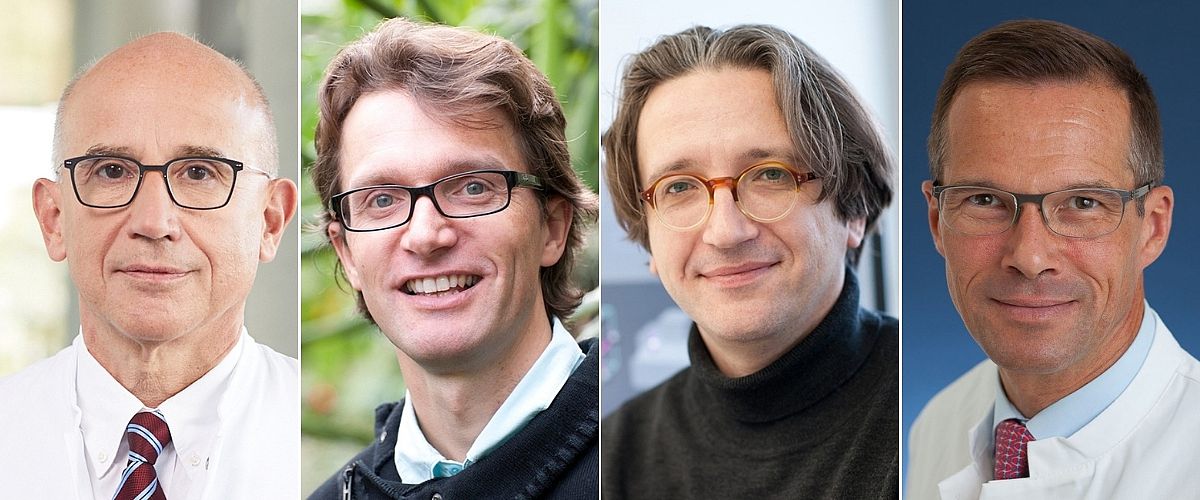
Four professors from Ulm University and the University Hospital are among the world's most frequently cited researchers: leukaemia researchers Prof. Hartmut Döhner and Prof. Stephan Stilgenbauer, botany expert Prof. Steven Jansen, and quantum physicist Prof. Fedor Jelezko. This was announced by database provider Clarivate in its highly regarded ranking of "Highly Cited Researchers". The ranking lists all researchers whose publications in the past eleven years are among the top one per cent of the most frequently cited specialist publications. In 2025, the list of "Highly Cited Researchers" comprises a total of 7,131 entries for 6,868 individuals in 22 specialist areas.
Planting campaign with climate-resistant trees
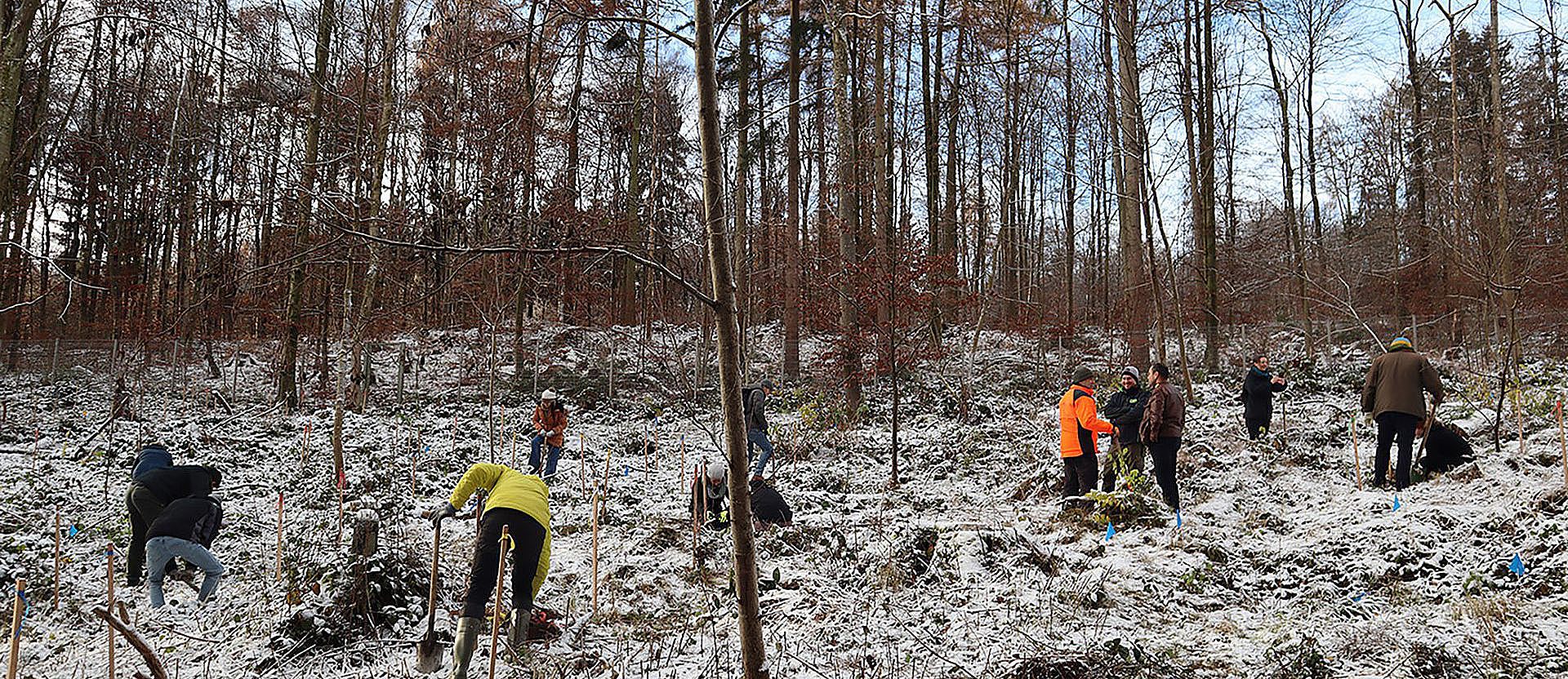
In light snowfall and temperatures around freezing, two dozen volunteers, including many biology and psychology students, plant 240 new trees on a slope in the Botanical Garden. They are participating in an unusual campaign coordinated by biology professor Emma Sayer and supported by the Ulmer Alb forest district of the Baden-Württemberg Forestry Commission. A "climate-resistant" forest is being created on an area of 0.2 hectares where numerous spruce trees were felled due to bark beetle infestation. What makes this project special is that native and non-native species that are better able to cope with extreme weather events and pest infestation are being planted there in pairs. A research project will investigate how the trees develop.
December

The DZKJ Ulm presents itself to the public
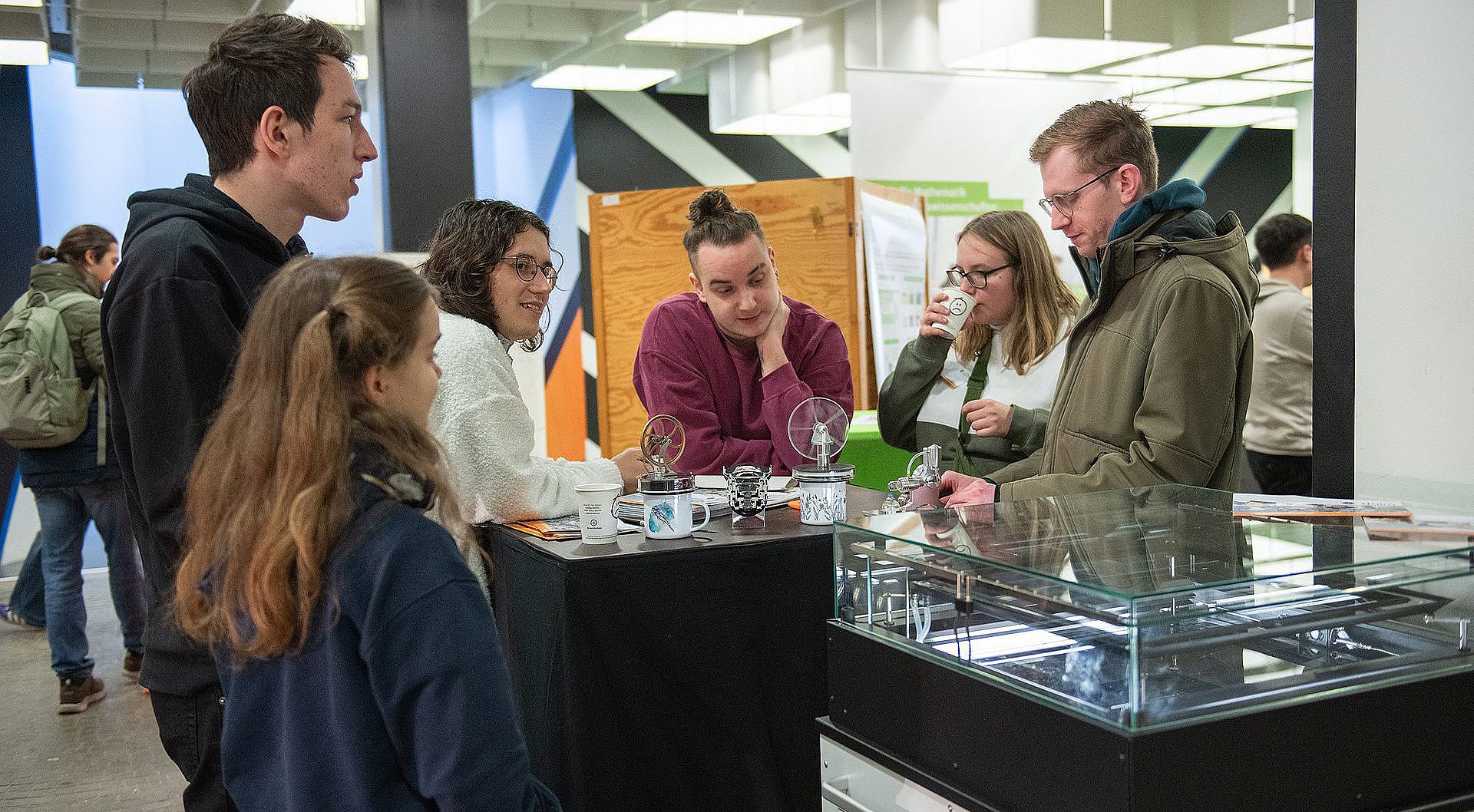
The German Centre for Child and Adolescent Health (DZKJ) Ulm presents itself to the public. Following an event at the town hall at the end of November featuring specialist talks, information stands, a panel discussion and a family programme, the exhibition "Smart minds for little heroes – a journey through the history of medicine" is presented at the m25 showroom in the city of Ulm at the beginning of December. Lord Mayor Martin Ansbacher will speak at the opening. The exhibition presents groundbreaking milestones in medical history with many hands-on activities. Aimed at children of primary school age and above, the exhibition covers important topics in medical research that are also being investigated at the DZKJ. These include, for example, metabolic diseases such as obesity.
Improving cancer therapy with artificial organs
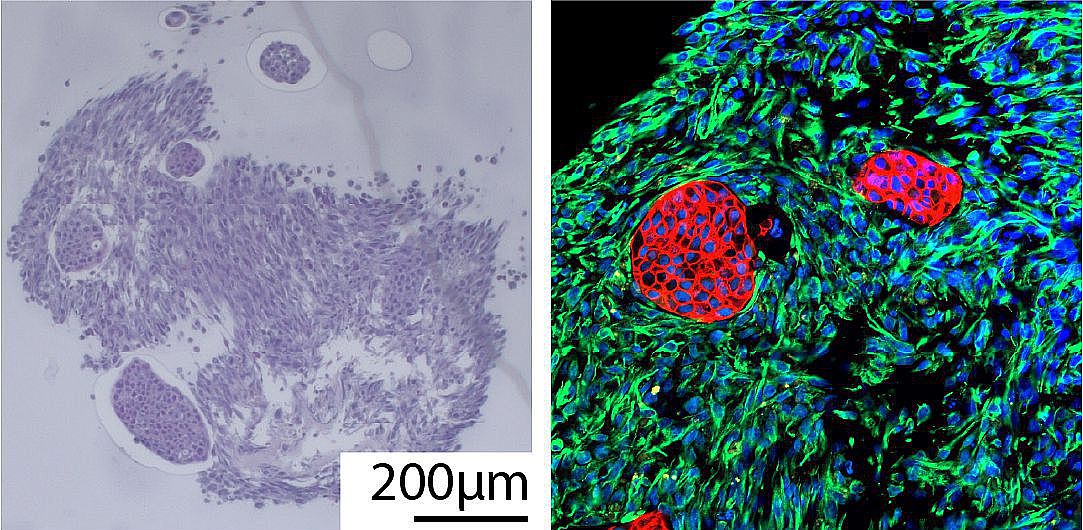
Replicating tumour tissue in the laboratory as realistically as possible and developing new approaches for personalized cancer medicine: starting in spring 2026, a total of 20 doctoral students in the life sciences and ten medical professionals will be conducting research in this field at Ulm Universities new research training group ‘Organoid-Based modeling of Solid Tumours’. They want to better understand cancer and improve predictions of disease progression and the effectiveness of therapies. The focus is on patient-derived tumour organoids. The German Research Foundation (DFG) is funding Org-BOOST with nearly nine million euros for an initial period of five years.
Texts: Press and Public Relations
The staff at Ulm University Press and Public Relations wish all members of the university and media a happy festive season and a happy new year! You can reach us again from Wendsday, 7th January 2026.