


Infrastructure
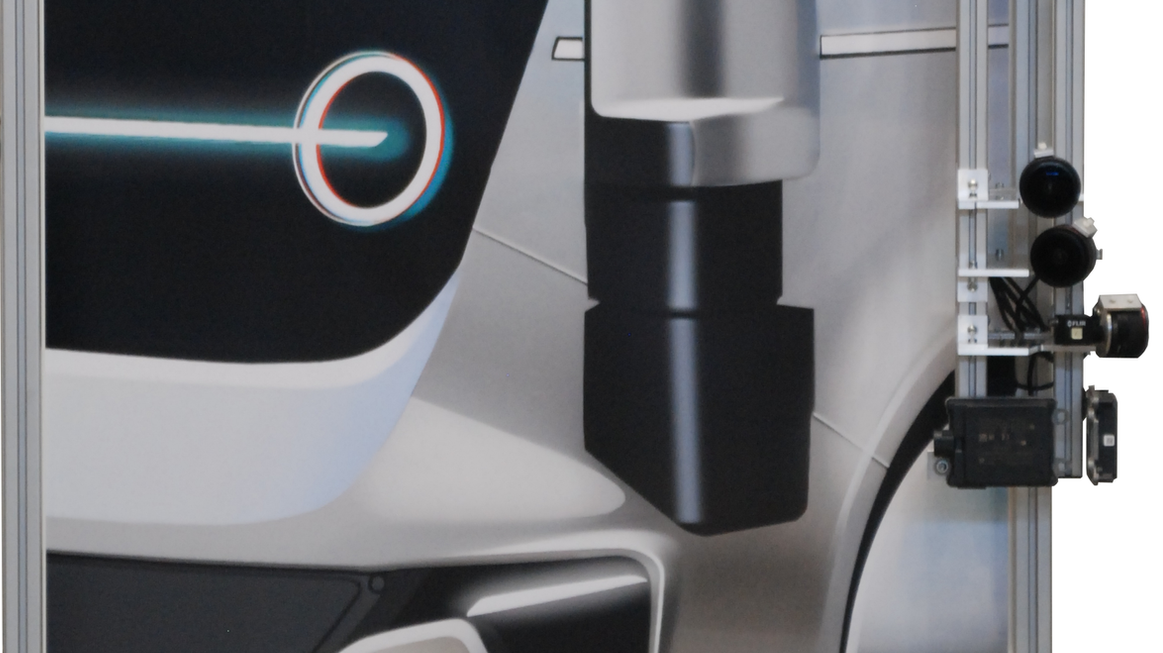
The Institute of Measurement, Control, and Microtechnology (MRM) develops laboratory setups for research into automated and connected driving as well as driver assistance systems. In particular, sensor fusion and environment modeling are investigated here, with modular sensor modules first being tested in the laboratory and then used in research and test vehicles.
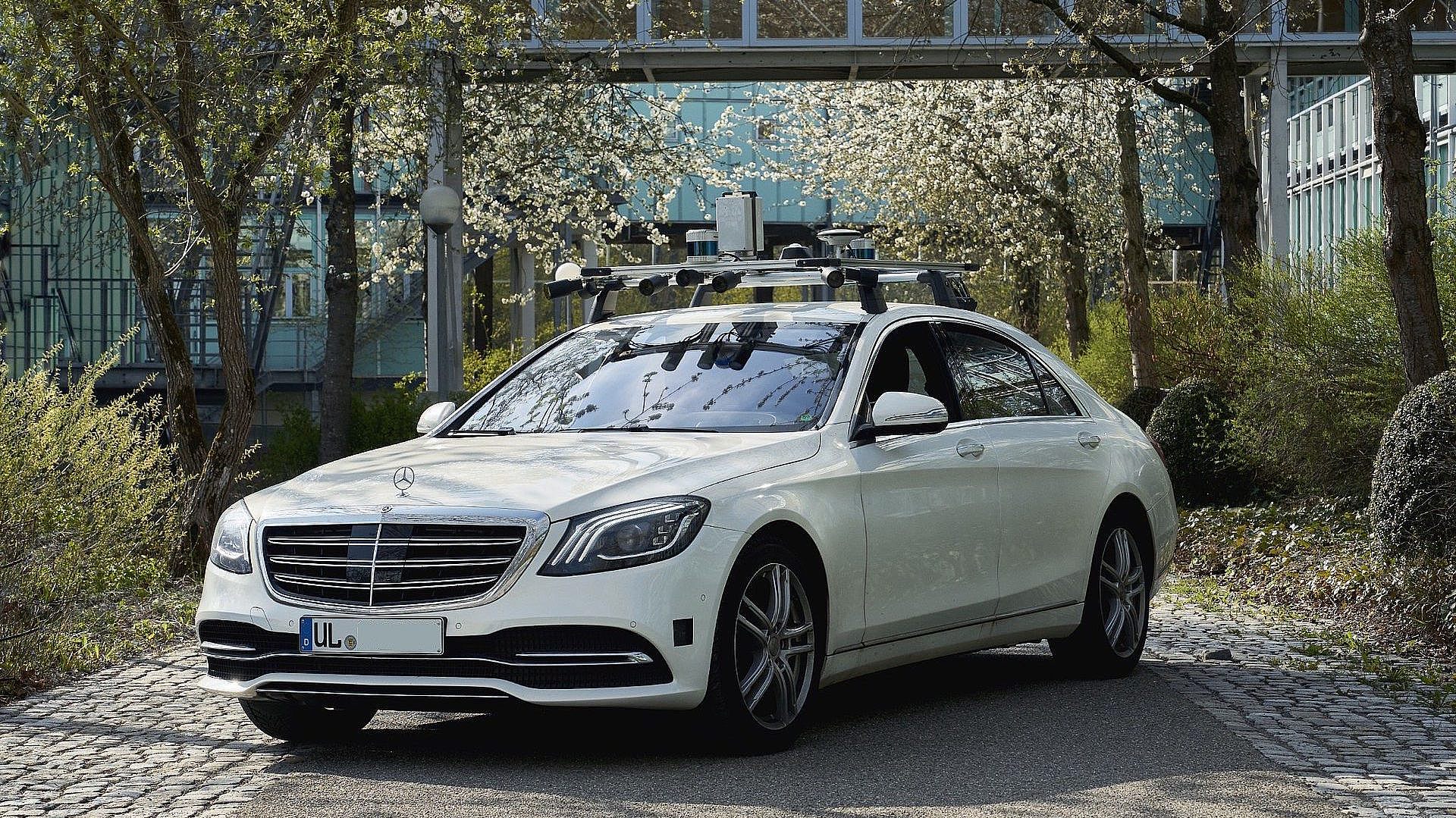
The MRM is converting series-production vehicles for research into automated and connected mobility. Their sensors record traffic events and the data is used to create an environmental model that describes current situations and predicts future developments. Modern communication technologies are also used to test concepts for connected driving.
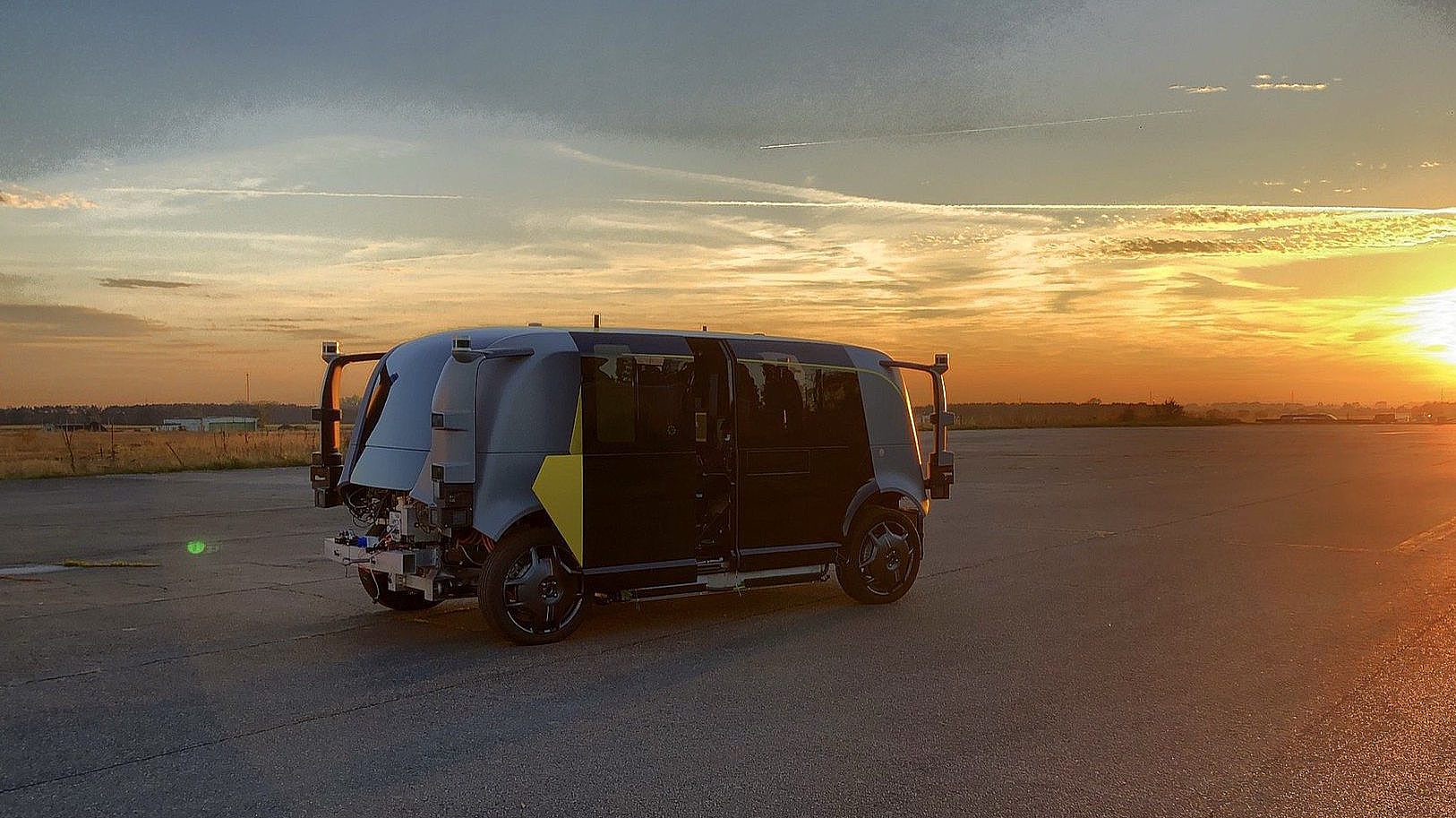
The complete automation of driving is giving rise to new vehicle concepts in which the traditional role of the driver is no longer necessary. The MRM is investigating such approaches and focusing on technical aspects such as the modular structure and service-oriented architecture of hardware and software solutions.
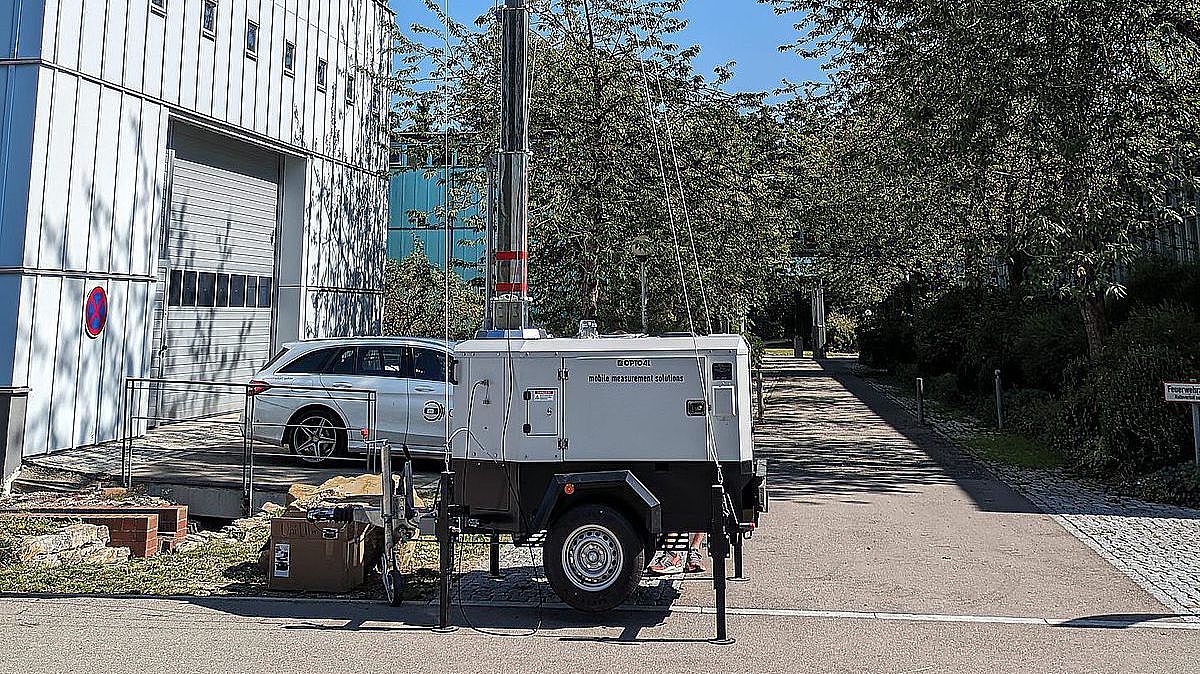
To create an environmental model for traffic conditions, MRM uses mobile sensor units mounted on trailers. A telescopic mast that can be extended up to 8.5 m carries cameras and laser scanners, whose data is processed directly on integrated computing units. This allows road users and their movements to be recorded and transmitted via LTE/5G, ITS-G5, or Wi-Fi to vehicles or other infrastructure units.
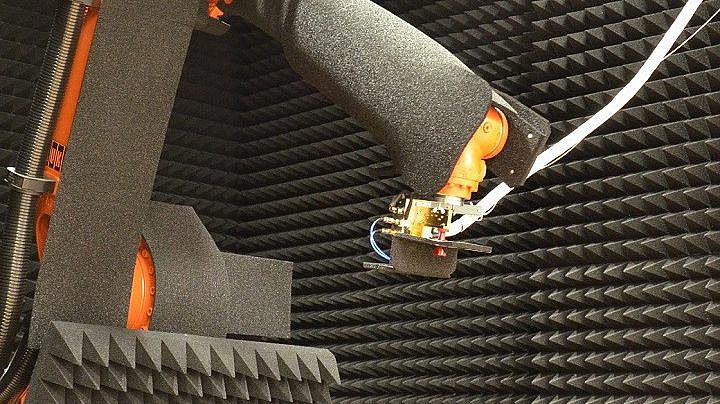
The Institute of Microwave Engineering (MWT) has a modern anechoic chamber and a high-precision jointed-arm robot that enable measurements in the far and near fields. The equipment is supplemented by extensive software tools for simulation and analysis of high-frequency systems, among other things.
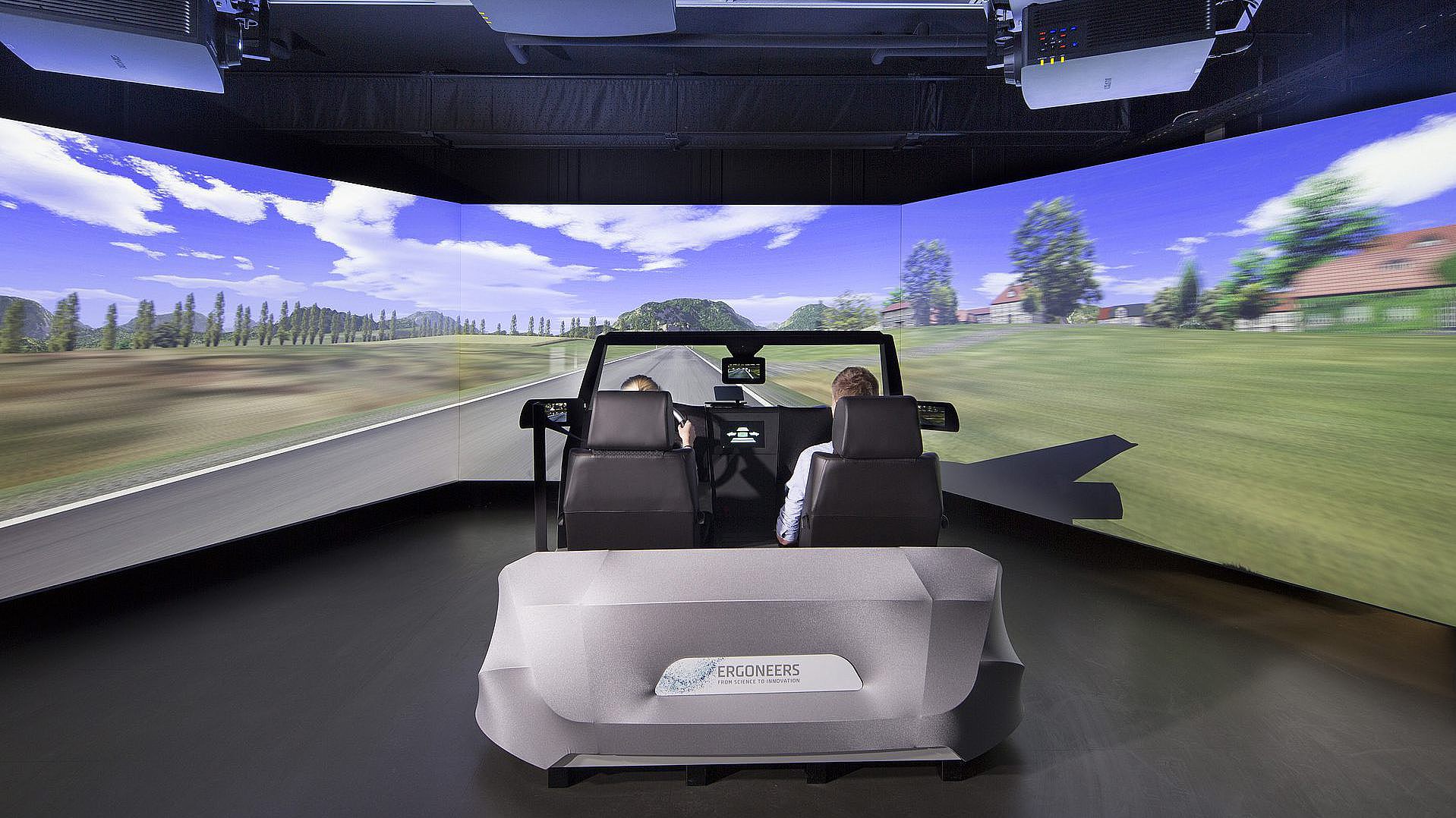
The static driving simulator in the Human Factors department, with a 190° field of view, flexible two-seater mockup, and integrated eye tracking, enables realistic driving situations under controlled conditions. The additional recording of physiological data allows detailed analyses of driver-vehicle interaction and human behavior in road traffic.
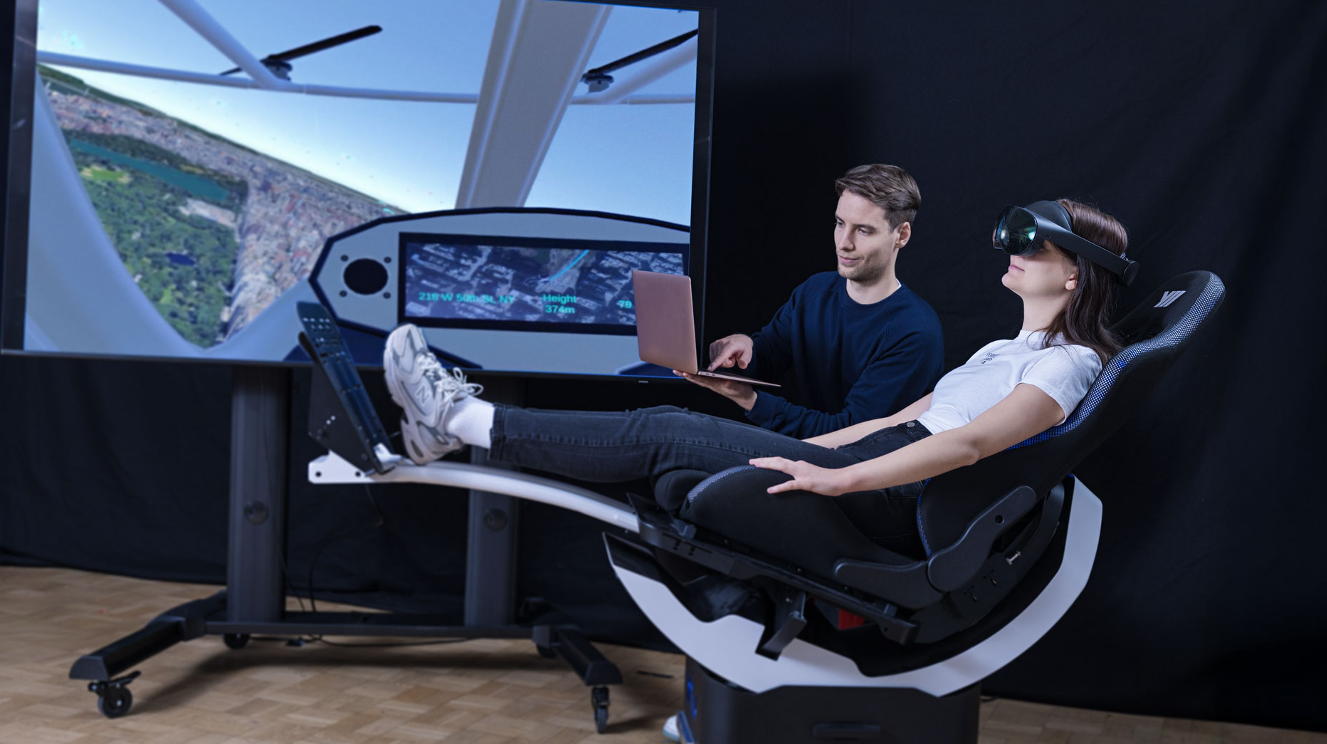
The Institute of Media Informatics' “Vehicle Motion Simulation in Virtual Reality” (VeMoR) enables realistic simulation of vehicle and urban air mobility scenarios, including physical movements.
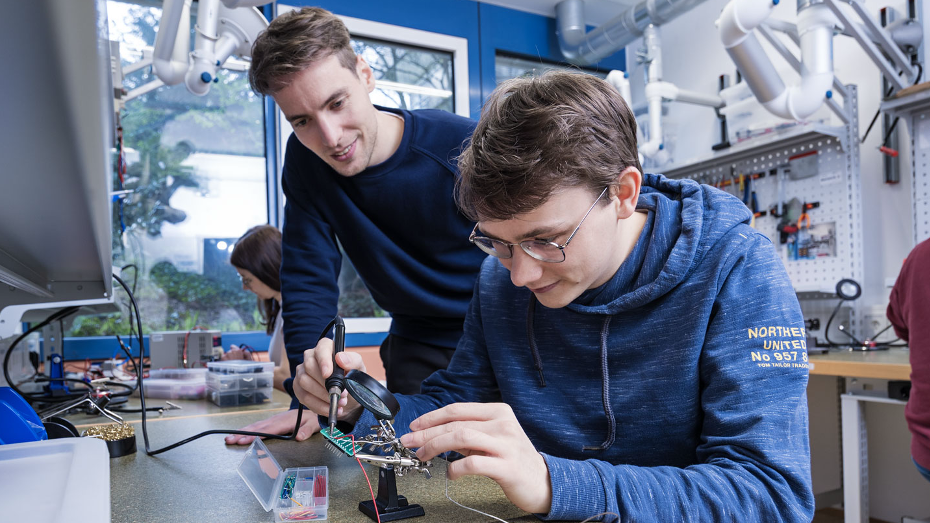
With the equipment in the Fabrication Lab, the Institute of Media Informatics is conducting research into the development of mechatronic prototypes for research work in the field of future mobility.