Basic Clinician Scientist Programme
of the Medical Faculty of Ulm University


of the Medical Faculty of Ulm University
Modern university medicine needs doctors who conduct research. They bridge the gap between patient care and scientific knowledge.
The Medical Faculty at Ulm University and the South Württemberg Regional Medical Association have signed an agreement under which doctors conducting patient-centred research can, as part of the Medical Faculty’s Clinician Scientist Programme, have up to twelve months of research time credited towards their specialist training – instead of the previous six (click here for the press release).
This year’s Young Researchers’ Science Day will take place at the University of Ulm on 21 October 2026. Here, early-career researchers from all faculties will have the opportunity to present their research and project ideas to a wide university audience as part of a competition. The most compelling project ideas will receive funding.
The news archive contains older press releases, reports and notes about the Clinician Scientist Programme and the clinician scientists at Ulm University.
Center for Research Strategy and Support
Ulm University
Helmholtzstr. 22 / room 1.49
89081 Ulm, Germany
Phone: +49 (0)731/50-33634
___________________________________
Please send any amendments (e.g. reallocation of funds, deadline changes, pauses) to:
aenderungsantraege_nachwuchsfoerderung.medizin(at)uni-ulm.de
Die Ausschreibung des Basic Clinician Scientist Programms für die Förderperiode 2027/30 ist für Ende Oktober/ Anfang November 2026 geplant. Die entsprechenden Informationen erhalten Sie dann hier auf unserer Homepage.
Geplanter Förderbeginn ist der 01.05.2027.
The Basic Clinician Scientist Programme (Basic CSP) at the Medical Faculty, Ulm University, is a structured programme designed to support early-career doctors who wish to combine their clinical training with a scientific career. During their specialist training, participants are granted partial exemption from clinical duties to carry out their own research projects. The aim is to systematically develop an independent research profile that leads to the acquisition of third-party funding, high-quality publications and a long-term foothold in academic Medicine.
The programme is aimed at doctors with a PhD who are engaged in scientific research whilst undergoing specialist training – preferably in their 2nd to 6th year of training. Specialists without significant clinician-scientist experience may also apply, preferably to the Basic CSP. The funding is structured over three years and includes a 50 per cent research leave of absence over this period, which can be flexibly distributed across the three years. In addition to the research leave, participants benefit from a structured curriculum comprising a series of seminars, an annual CSP retreat, membership of the Baden-Württemberg Clinician-Scientist Network, as well as interdisciplinary continuing education courses and seminars on key competencies.
A central element of the programme is an intensive supervision and mentoring scheme: each clinician scientist is supported by two supervisors (one experimental and one clinical) as well as an independent mentor. Together, they draw up an individual qualification and career development plan. An interim evaluation in the second year ensures that project progress, qualification and continuing education remain closely interlinked.
In the Basic CSP, the Medical Faculty funds not only the clinician-scientist post (50%) but also consumables and travel funding. As a rule, a maximum of four posts can be awarded in the Basic CSP each year.
The application process consists of two stages: following the submission of written documents, selected applicants are required to present their project in the form of a scientific talk followed by a discussion. A decision on admission to the programme is made on this basis.
Die Zwischenevaluation findet im 2. CSP-Jahr statt. Hierzu reicht der Clinician Scientist seinen Zwischenbericht spätestens 3 Monate vor Ende des 2. CSP-Jahres im Koordinationsbüro ein. Die Begutachtung erfolgt durch das Clinician-/Medical Scientist Board. Der Zwischenbericht soll sich an dem ursprünglich eingereichten Meilensteinplan/Karriereentwicklungsplan orientieren und gemeinsam mit den Mentor*innen erstellt werden. Ein evtl. Abweichen vom ursprünglichen Meilensteinplan/Karriereentwicklungsplan soll schlüssig begründet werden. Idealerweise setzt sich der Clinician Scientist rechtzeitig mit dem Koordinationsbüro in Verbindung (ca. 4 - 5 Monate vor Ende des 2. CSP-Jahres), um den Ablauf der Zwischenevaluation besprechen/planen zu können. Sofern zeitlich passend, kann die Zwischenevaluation dahingehend erweitert werden, dass der Clinician Scientist sein Projekt im Rahmen des CSP/MSP-Retreats vorstellt.
Zwischenberichte ab der Förderperiode 2026/2029 werden zukünftig über das Antragsportal der Medizinischen Fakultät eingereicht.
Die im CSP geförderten Personen verpflichten sich, spätestens sechs Monate nach Ablauf der Förderung einen kurzen Abschlussbericht unter Angabe der entstandenen Publikationen, Kongressbeiträge (Poster und Vorträge) und eingeworbenen Drittmittel einzureichen.
Abschlussberichte ab der Förderperiode 2026/2029 werden zukünftig über das Antragsportal der Medizinischen Fakultät eingereicht.
Die Nachwuchsakademie ProTrainU (Graduate & Professional Training Center Ulm) ist die zentrale Anlaufstelle zur Unterstützung von Nachwuchswissenschaftlerinnen der Universität Ulm – u.a. in den Bereichen allgemeine Beratung und Karriereentwicklung. ProTrainU bietet zudem zahlreiche Fortbildungen und Kurse zu überfachlichen Qualifikationen (z.B. Schlüsselkompetenzen, Kommunikation, Projektmanagement). Nutzen Sie diese Angebote, schärfen Sie Ihr Profil und stärken Sie Ihre Karriereentwicklung!
Für den gemeinsamen Austausch und die Vernetzung der Clinician Scientists untereinander steht im CloudStore des kiz ein gemeinsamer, geschützter Ordner (Shared Folder) zur Verfügung. Die Anmeldung erfolgt mit dem individuellen kiz-Account. Der Ordner ist nur den im CSP geförderten Clinician Scientists zugänglich. Hier ist u.a. auch der Seminarplan der eigenständigen CSP-Seminarreihe hinterlegt.
In addition to the Clinician Scientist Programme, there are further in-house funding opportunities available which provide targeted support for the scientific careers of doctors and are integrated into the “Ulm Career Track”, which enables a transparent and predictable academic career path.
Module
Programme Successful clinician scientists from the Basic Clinician Scientist Programme can apply for specific funding for equipment and/or staff for their research through the Module Programme (Clinician Scientist Module).
International Mobility Fund
The International Mobility Fund supports grant holders on the Ulm Career Track during short research visits of up to three months at international host institutions. The aim is to acquire new methods, establish robust international collaborations and become involved in internationally recognised research environments – as an integral part of scientific career development. The Medical Faculty generally covers up to 15,000 EUR per stay; applications may be submitted at any time.
Advanced Clinician Scientist Programme
Successful specialist doctors have the opportunity to apply for the Advanced Clinician Scientist Programme – ideally following on from the Basic Clinician Scientist Programme.
Senior Scientific Fellowship Positions
To strengthen translational research, the Medical Faculty at Ulm University and Ulm University Hospital wish to offer established clinician scientists the option of a senior scientific fellowship position that combines clinical practice and research in the long term.
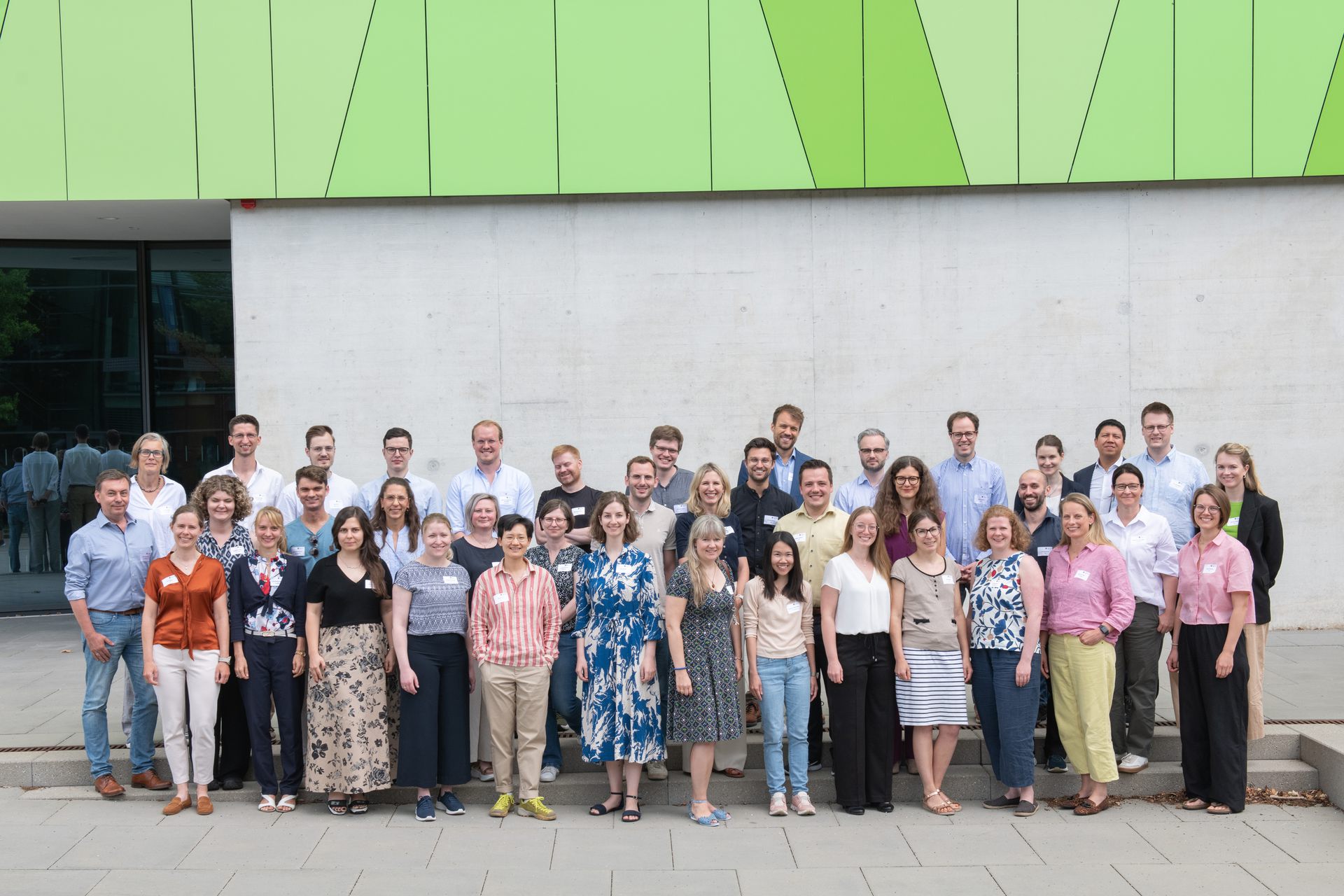
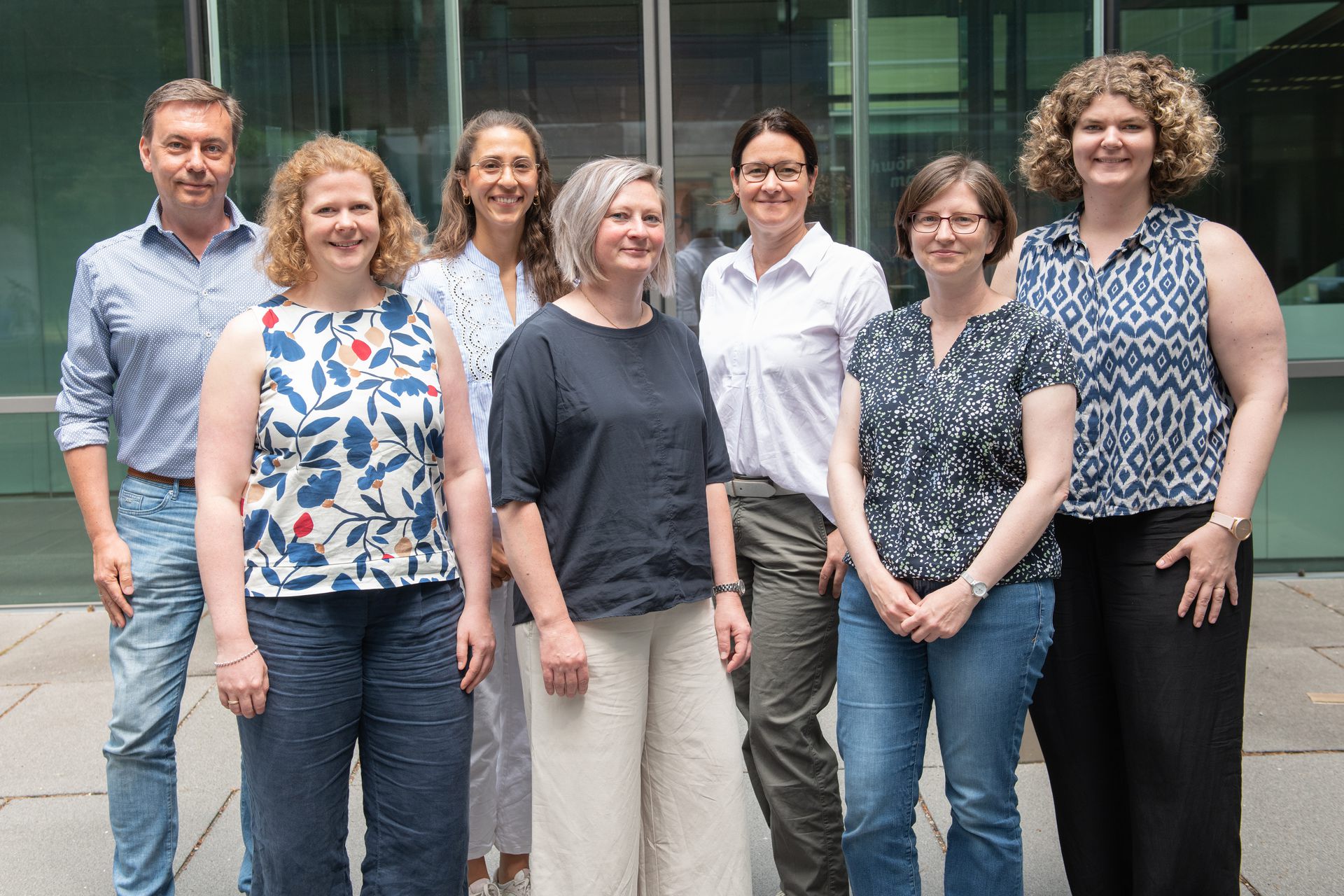
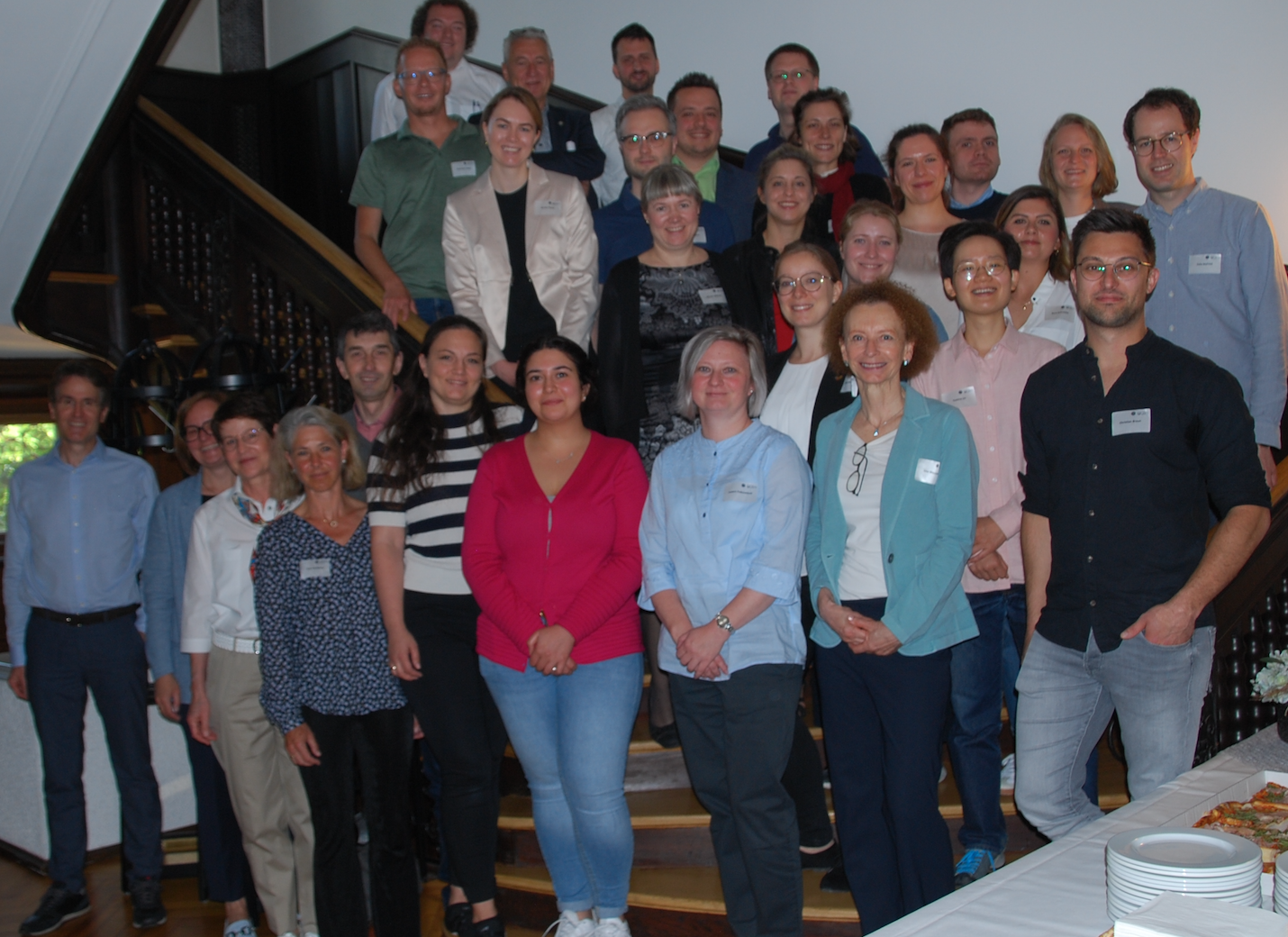
Every two years, we take a break from the daily grind and head off on a retreat! Together with colleagues from the Medical Scientist Programme and other clinician scientist programmes in the area, we meet – usually at Villa Eberhardt in Ulm – to facilitate exciting projects, new ideas and plenty of discussion. Among those taking part are, for example, clinician scientists from the Else Kröner Research Training Group POTENTIAL, the FePro Centre for Young Researchers or the German Centre for Child and Adolescent Health (DZKJ).
Our scientific early-career researchers present their work in talks or poster presentations. This gives you a good insight into the research currently being carried out in the Clinician Scientist Programme. Alongside the programme, there’s always plenty of time for a relaxed get-together – ideal for networking, initiating collaborations and simply exchanging ideas in a pleasant atmosphere.
A look back at our retreats
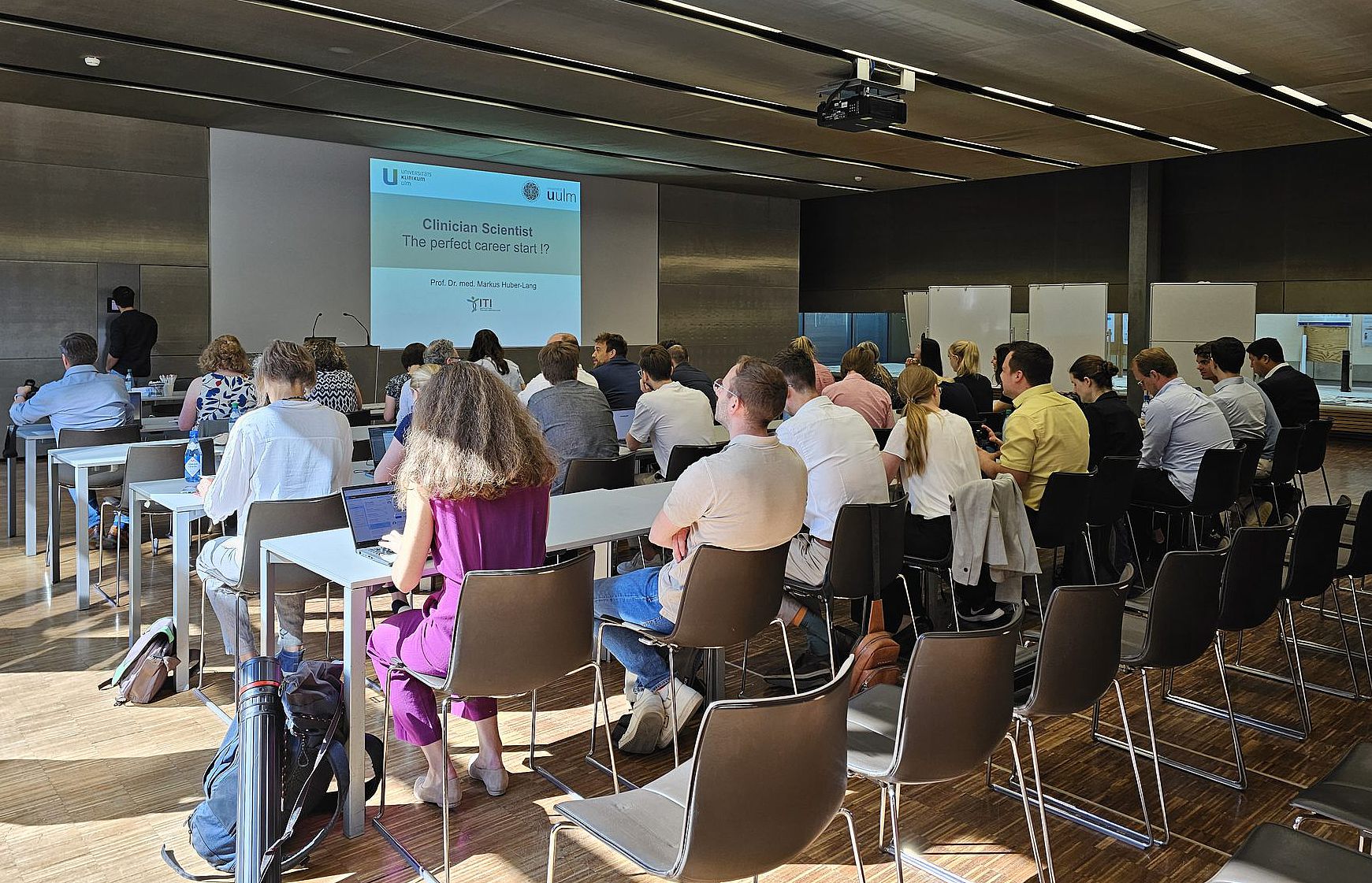
The Baden-Württemberg Clinician Scientist Network brings together the Medical Faculties of Freiburg, Heidelberg, Mannheim, Tübingen and Ulm, as well as the DKFZ. The network supports clinician scientists from all partner institutions and shares the common goal of promoting translational medicine through close collaboration between clinical practice and research. Clinician scientists from all institutions meet annually at different locations for the Clinician Scientist Baden-Württemberg Networking Event. On 4 July 2025, the meeting took place in Ulm.
A look back at past meetings:
2026 Freiburg (online)
2025 Ulm
2024 Heidelberg
2023 Tübingen
2022 Mannheim