


RESEARCH AREA A - INTERFACES AFFECTING AGING OF THE NERVOUS SYSTEM
Konstantin Sparrer / Alberto Catanese
Project A01
The impact of aging on innate immune defenses in the brain
Aging weakens innate immune defenses in the brain, shifting protective responses of microglia towards harmful, chronic inflammation. Using iPSC-derived CNS organoids enriched with young and aged primary microglia, this project uses neuron-tropic Herpes-Simplex-Virus-1 and microglia-tropic Zika virus infection as models. Integration of multi-omics data coupled to CRISPR validation will identify age-dependent alterations. The goal is to uncover the underlying mechanisms of age-associated innate immune dysfunction to help design strategies to restore protection and limit neuroinflammation.
Birgit Liss
Project A02
Activity-dependent neuronal Ca2+ signaling and its role in aging and Parkinson’s disease
We aim to define cell-specific mechanisms that result in differential neuronal vulnerabilities to known global Parkinson’s Diseases (PD) stressors, to provide novel targets for neuroprotective PD-therapy. Particularly, individual neuronal electrical activity patterns, voltage gated Ca2+ channels (Cav), and associated Ca2+ signalling emerged as such intrinsic factors. Cav received particular attention, as epidemiological studies consistently indicate that for unclear reasons, patients treated for hypertension with Cav inhibitors have a lower risk of developing PD later in life.
Karin Danzer

Project A03
Aging as the central driver of a-synuclein oligomer associated pathology in Parkinson’s disease
Aging is both necessary and sufficient for PD development, while α-syn oligomers on their own are necessary but not sufficient. Karin Danzer will study how age-related alterations shape α-syn–driven pathology by integrating pharmacological, molecular, and cellular approaches across mouse and human systems. Focusing on α-syn–induced astrocyte and microglia senescence and PBMC-derived glia exposed to α-syn–positive PD cerebral fluid, this work will reveal how glial aging and α-syn pathology cooperate eventually creating a permissive environment necessary for clinical symptoms.
Leda Dimou
Project A04
Manipulation of glial cells to improve physiological aging of the brain
Aging impairs myelin integrity, NG2-glia differentiation, and microglial myelin clearance. The myelin-demanding white matter shows the strongest decline in oligodendrogenesis with microgliosis and oligodendrocyte loss. We propose that intrinsic NG2-glia aging, defective microglial lipid handling, and altered myelin drive this failure. We aim to boost oligodendrogenesis or improve microglial clearance. Using in vitro assays, in vivo microglial depletion and repopulation, and hiPSC- derived NG2-glia, we seek targets that induce myelin repair and support brain function in aging.
Franz Oswald / Bernd Baumann
Project A05
Notch/NF-kappaB crosstalk critically regulates SASP development in brain inflammaging
Aberrant Notch/NF-kB crosstalk is a central regulatory hub in brain inflammaging affecting synaptic homeostasis and contributing to age-related cognitive decline. Using interaction fine-mapping and single molecule tracking, Franz Oswald and Bernd Baumann will define the specific interfaces underlying this multi-dimensional crosstalk to reveal new targets for selective therapeutic intervention. Their work will also examine the senomorphic/senolytic effects of Notch agonists to suppress detrimental SASP expression.
Sebastian Iben
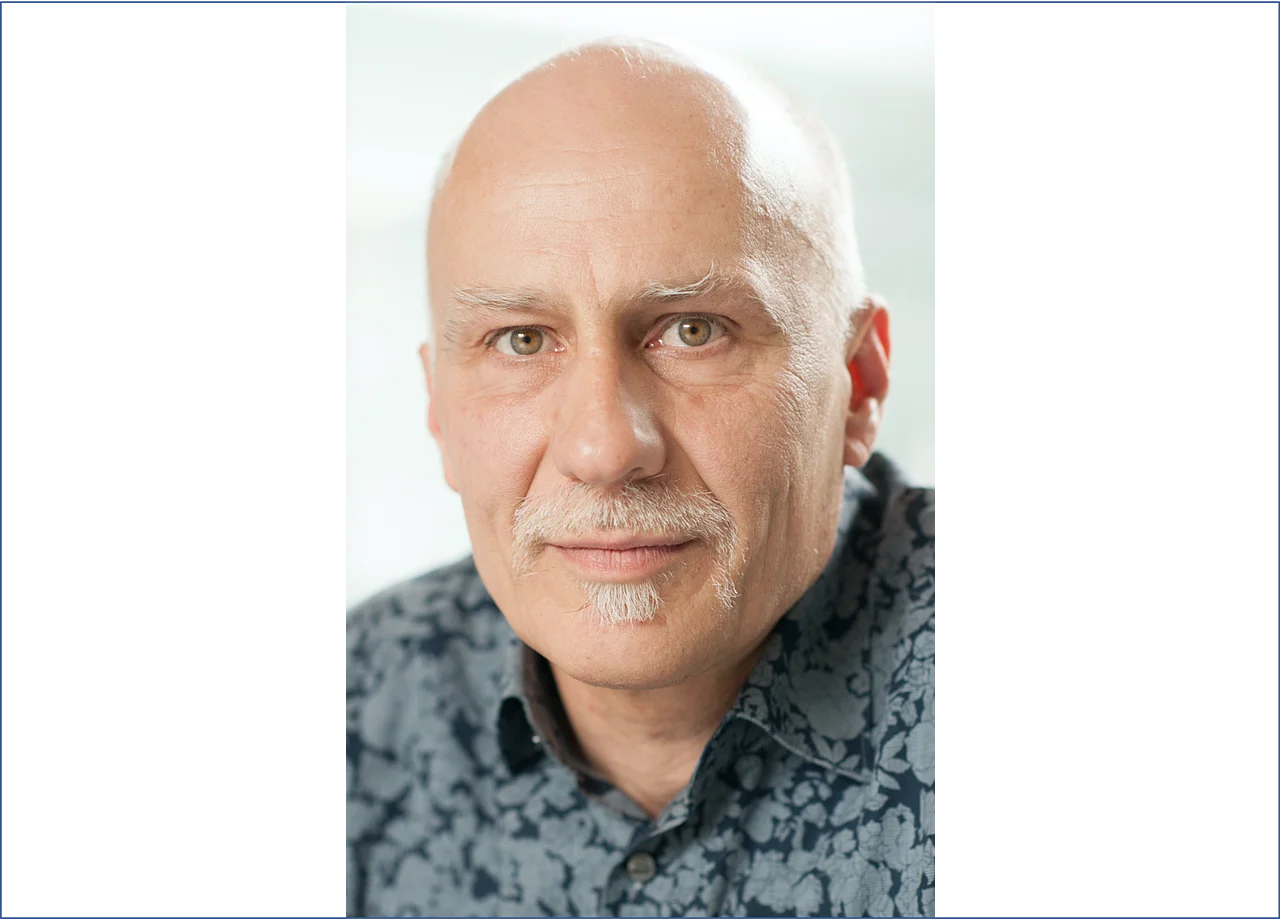
Project A06
The accuracy of ribosomal protein synthesis- a critical parameter in human aging?
The accuracy of ribosomal protein synthesis correlates with longevity and healthspan in different species and is regulated during human aging. Sebastian Iben will investigate in which human tissues this regulation is of relevance and how disturbances are leading to aging-associated disease. Longevity interventions will be examined for their influence on ribosomal accuracy and brain organoids will be used for the analysis of the role of ribosomal errors in Alzheimer´s disease. These investigations will allow to develop interventional strategies.
RESEARCH AREA B - AGING AND THE IMMUNE SYSTEM
Mona Vogel / Hartmut Geiger
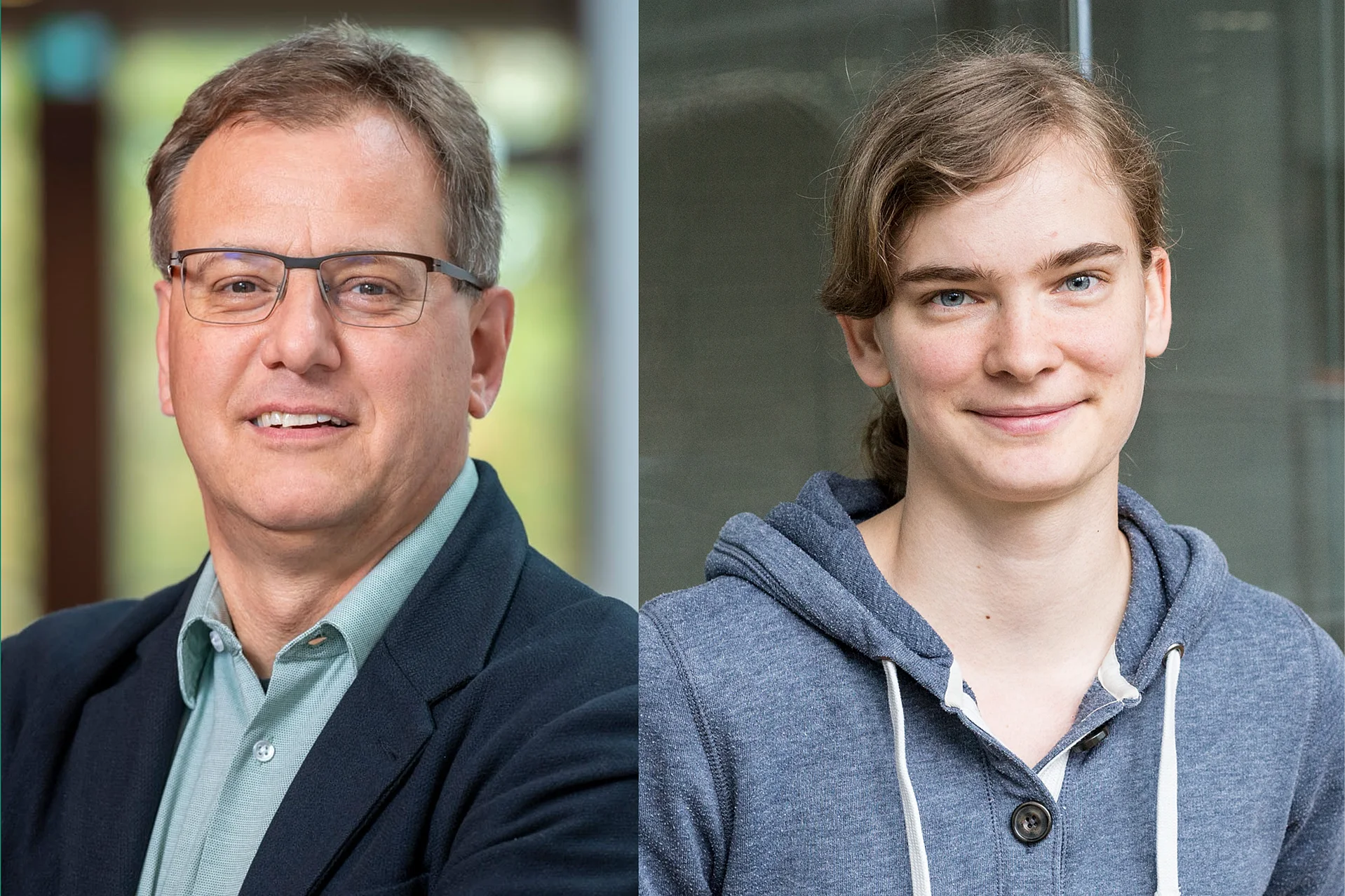
Project B01
Mechanisms of stem cell rejuvenation by attenuation of the activity of the small RhoGTPase Cdc42
Pharmacological reduction of the elevated activity of the small RhoGTPase Cdc42 with the small molecule CASIN rejuvenates hematopoietic stem cells (HSCs) and extends lifespan. Mona Vogel and Hartmut Geiger will define the mechanisms by which CASIN restores the function of aged HSCs. To this end, they will focus on Cdc42 effector proteins for which the interaction with Cdc42 is affected by CASIN and on transient metabolic changes initiated by CASIN. Identifying CASIN initiated rejuvenation pathways of HSCs will facilitate rational development of targeted interventions.
Melanie Scharpf
Project B03
Sex-specific molecular aging at the interface of DNA damage and inflammatory response and its impact on aging-associated disease
The DNA damage response (DDR), driving senescence and inflammation, changes sex-specifically during aging in human hematopoietic cells. Melanie Scharpf will elucidate how sex mechanistically mediates these aging-related differences in DDR and inflammatory response, determining the impact of age-related changes in sex chromosome-linked gene expression, sex hormone levels and nuclear integrity. Moreover, she will test if sex-specific and aging-related DDR mechanisms modulate the progression of cancer. This knowledge will be critical for the development of sex- and age-specific interventions.
Corinna Setz / Hassan Jumaa
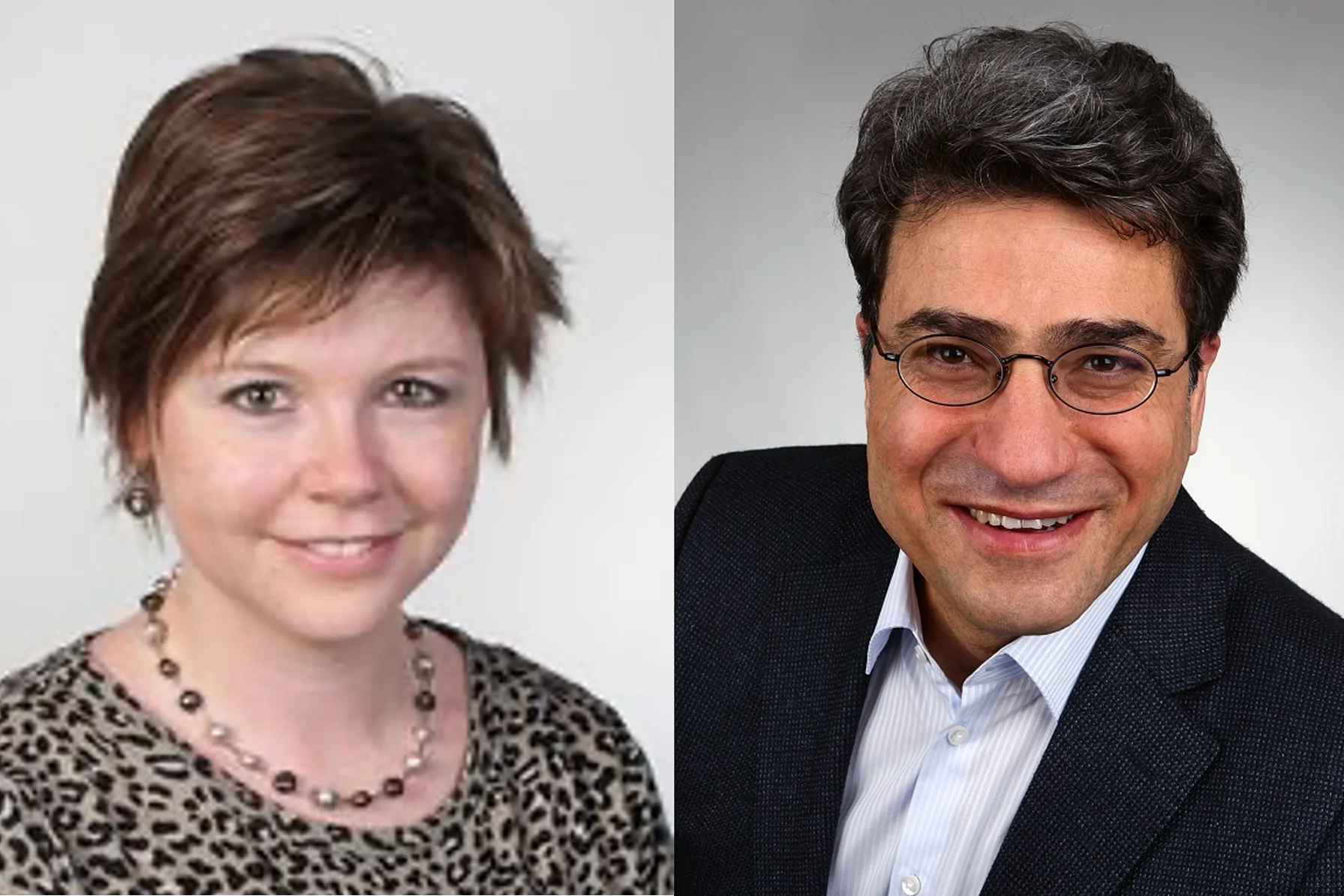
Project B05
Memory B Cell Expansion and Antibody Shifts as Drivers of Inflammaging
We previously showed that naïve B cells decline with age, while memory B cells expand and produce TNF-α and IL-6. We will validate these findings in larger cohorts and extend them to Parkinson’s disease (PD). Moreover, we will examine how age-dependent shifts in IgM and IgG contribute to inflammation and autoimmunity. We will also address the role of the voltage-regulated calcium channels in aberrant B cell activation in PD. Elucidating how such age-related changes in B cells predispose to inflammaging will allow for targeted interventions in aging and chronic neurodegenerative disease.
Hartmut Geiger / Hans Kestler
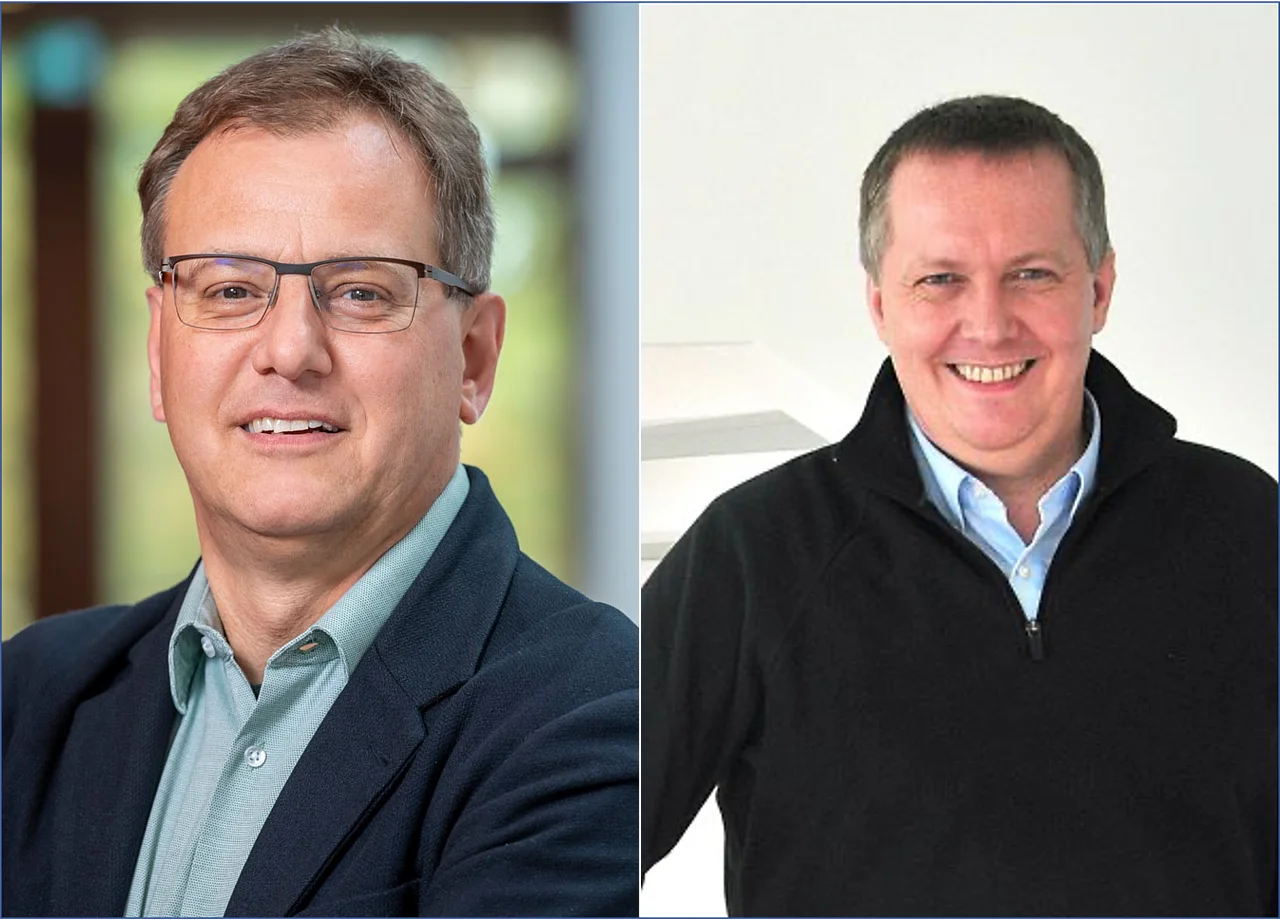
Project B06
Towards cell-type specific aging models: niche dynamics and lineage decisions in hematopoiesis
Myeloid skewing is a well-described phenomenon of aging, also driven by aging of the bone marrow niche. Hans Kestler and Hartmut Geiger will generate computational multiscale models of specific cell entities and their interactions to experimentally dissect regulatory networks of hematopoietic stem cell aging. A particular focus will be on WNT signaling as prime candidate and systemic tipping points in the niche/stem cell interactions that can be experimentally tested.
Medhanie Mulaw
Project B07N
Deciphering the aging landscape across human tissues using large-scale single-cell sequencing and machine learning models
Cells do not age uniformly. How do cellular aging states interact and collectively lead to tissue failure and organismal aging? Medhanie Mulaw will investigate how different cell-intrinsic aging trajectories contribute to tissue and organismal decline. Using AI, machine learning, and scalable single-cell sequencing, he will map the aging landscape across four human tissues (brain, skin, bone marrow, and peripheral blood), discover new biomarkers, and identify key molecular drivers. This research will lay the groundwork for targeted interventions at both tissue and organismal levels.
RESEARCH AREA C - INTERFACES THAT MODULATE ORGAN AND ORGANISMAL AGING
Alexandra Herrmann / Frank Kirchhoff
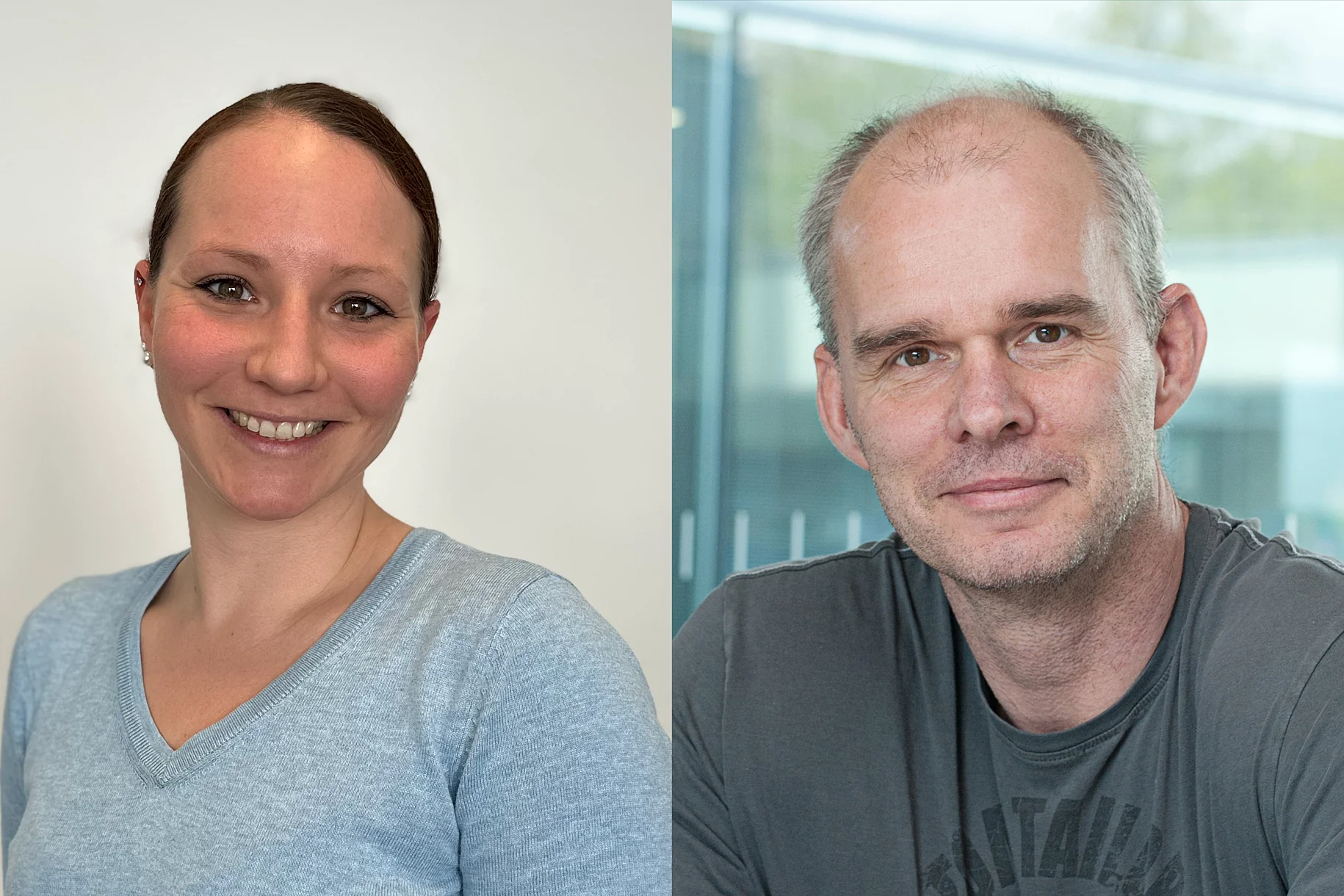
Project C01
Interplay between HIV and amyloids in human aging
We found that amyloid fibrils associated with age-related neurological disorders, such as Alzheimer`s and Parkinson`s, enhance HIV infection, and that HIV Envelope fragments seed amyloid formation. HIV infection of brain organoids also increases cellular senescence, indicating a harmful virus-host circuit. In the next funding period, we will dissect the underlying mechanisms and define how HIV and amyloids synergistically amplify and accelerate neuroinflammatory complications.
Maja Funk / Karin Scharffetter-Kochanek
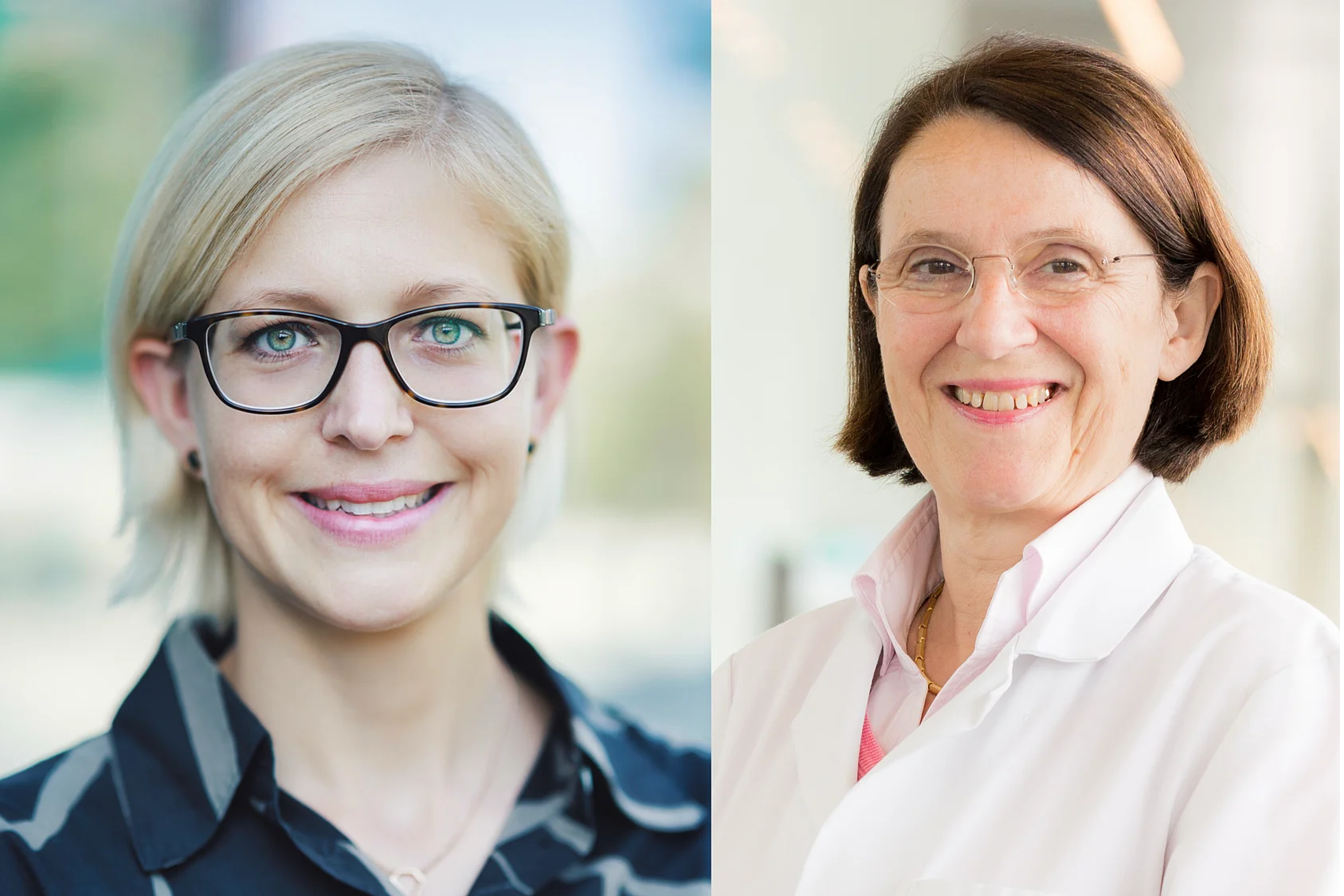
Project C02
Aging of barrier organs at cell interfaces: Targeting senescent cell clearance in skin and lung
Barrier organs such as the skin and lungs are constantly exposed to environmental stressors and rely on coordinated interaction between structural and immune cells. Aging disrupts this crosstalk, leading to impaired clearance of senescent cells and higher disease risk. Karin Scharffetter-Kochanek and Maja Funk will dissect how senescent structural cells impair aged NK cells and macrophages in skin and lung and identify ways to rejuvenate them to restore their clearance capacity. Ultimately, the organ-spanning project aims to enhance senescent cell clearance to improve barrier tissue function.
Daniel Sauter
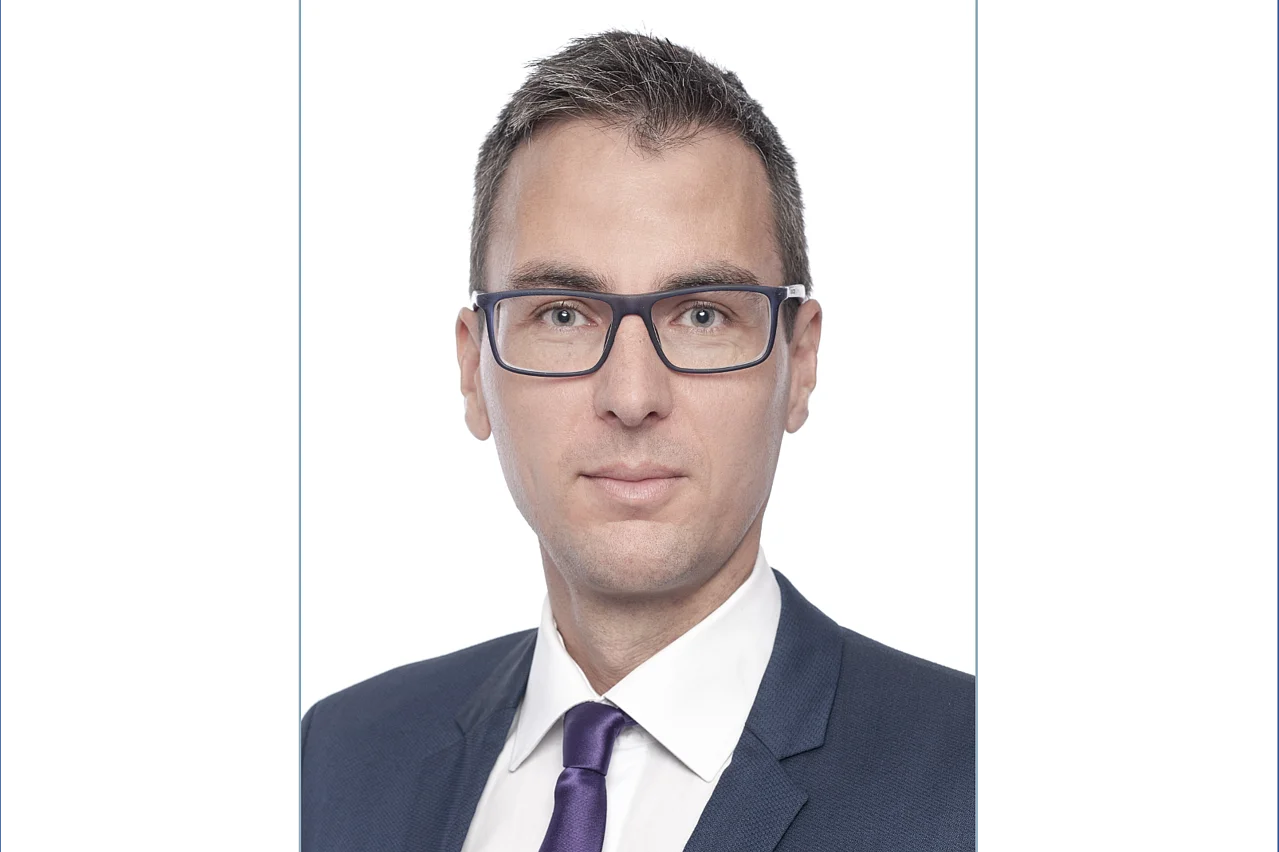
Project C03
Aging at the interface of placental trophoblasts, NK cells and endogenous retroviruses
Preeclampsia (PE) is a life-threatening pregnancy disorder linked to accelerated aging and abnormal placental senescence. We hypothesize that aberrant senescence of placental trophoblast cells and NK cells drives impaired placental development in PE. Using patient samples and ex vivo models, we will define the underlying molecular mechanisms and evaluate senescence-modulating therapies. With our project, we ultimately aim to improve prediction and treatment of PE and related adverse pregnancy outcomes. -→ Open Position
Gilbert Weidinger
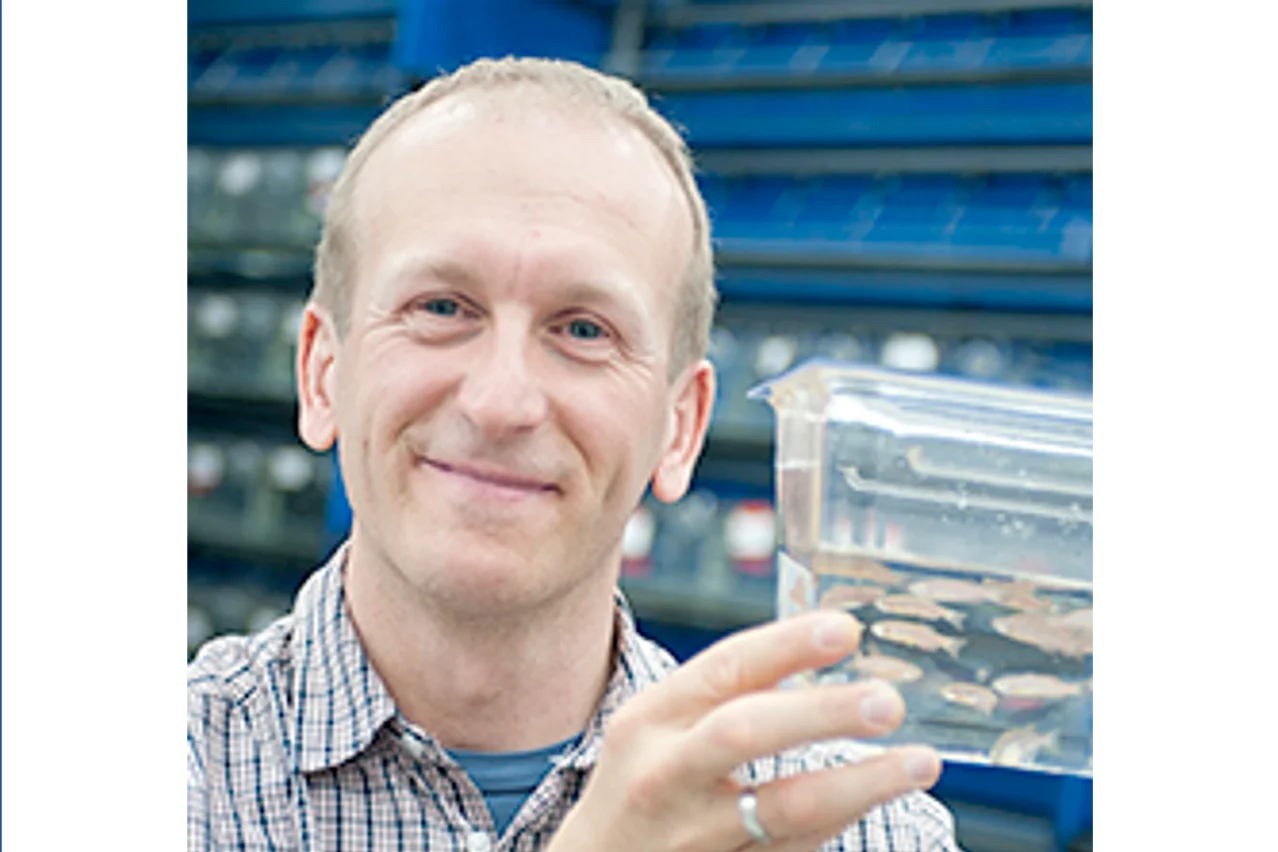
Project C04
The interface of regeneration and aging: zebrafish regeneration requires elevated anti-aging mechanisms
Zebrafish regenerate their hearts via cardiomyocyte cell cycle re-entry. In period one, we found that regenerating cardiomyocytes face replication stress, which BMP signaling overcomes, a rescue mechanism that also functions in human cells. We will 1) identify druggable molecular mechanisms for BMP-mediated stress relief, 2) assess genomic stress in non-cardiomyocytes during heart regeneration and BMP's role, 3) Study DNA damage repair in osteoblast dedifferentiation. These studies lay the basis for translating BMP-mediated genomic stress attenuation into anti-aging therapies. -→ Open Position
Jan Tuckermann / Christof Gebhardt
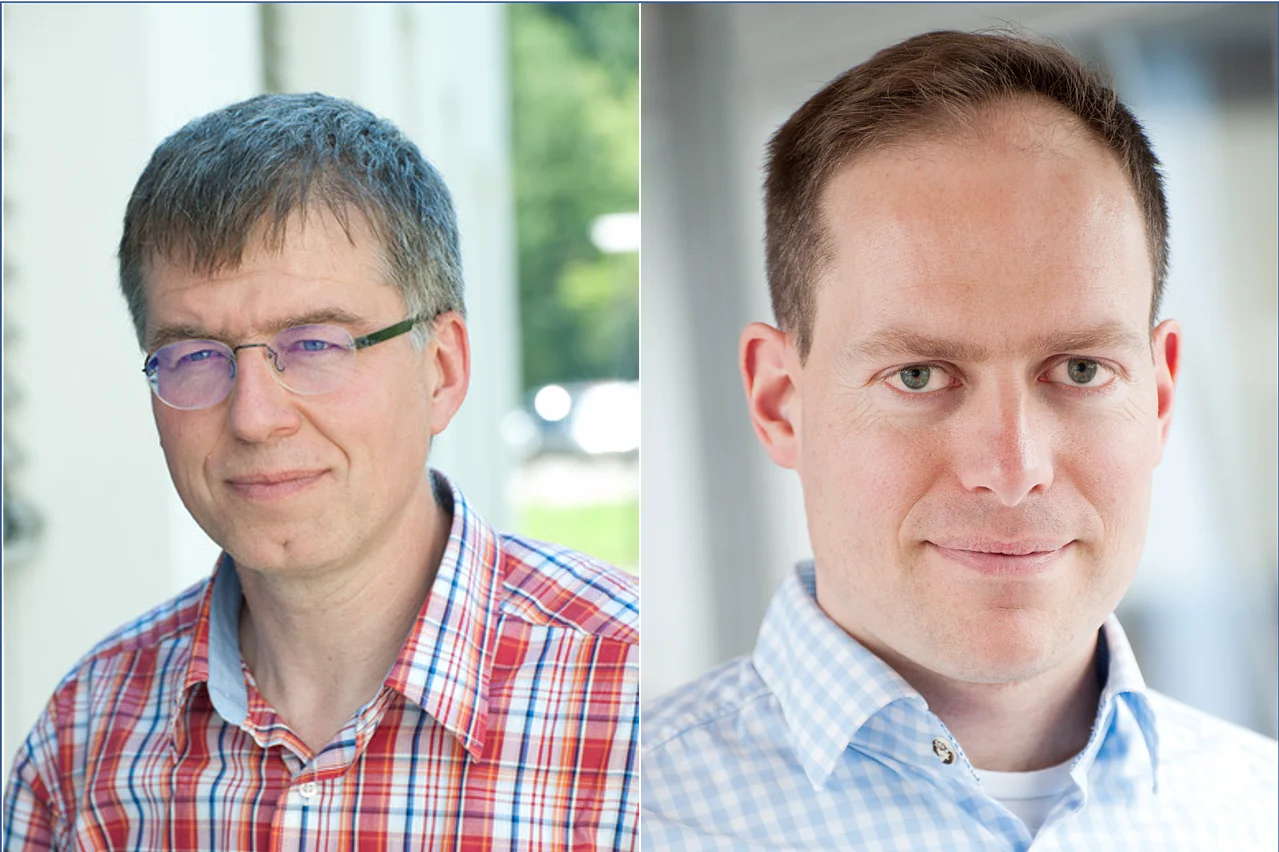
Project C05
Changing nuclear and cytoplasmic interfaces of the glucocorticoid receptor during aging
The glucocorticoid receptor (GR) differentially affects adipocytes and myeloid cells during aging, exhibiting a nuclear and cytoplasmic role shaping immune metabolism. Jan Tuckermann and Christof Gebhardt will dissect the cytoplasmic versus nuclear interfaces of GR by biophysical characterization of its compartment- and cofactor-dependent mechanisms, and by characterization of mutant mice lacking nuclear but retaining cytoplasmic GR functions, as well as of young and aged human PBMCs. PROTACs will mitigate adverse GC effects while enhancing beneficial immune-metabolic outcomes during aging.
Dhayana Dallmeier / Wolfgang Wagner
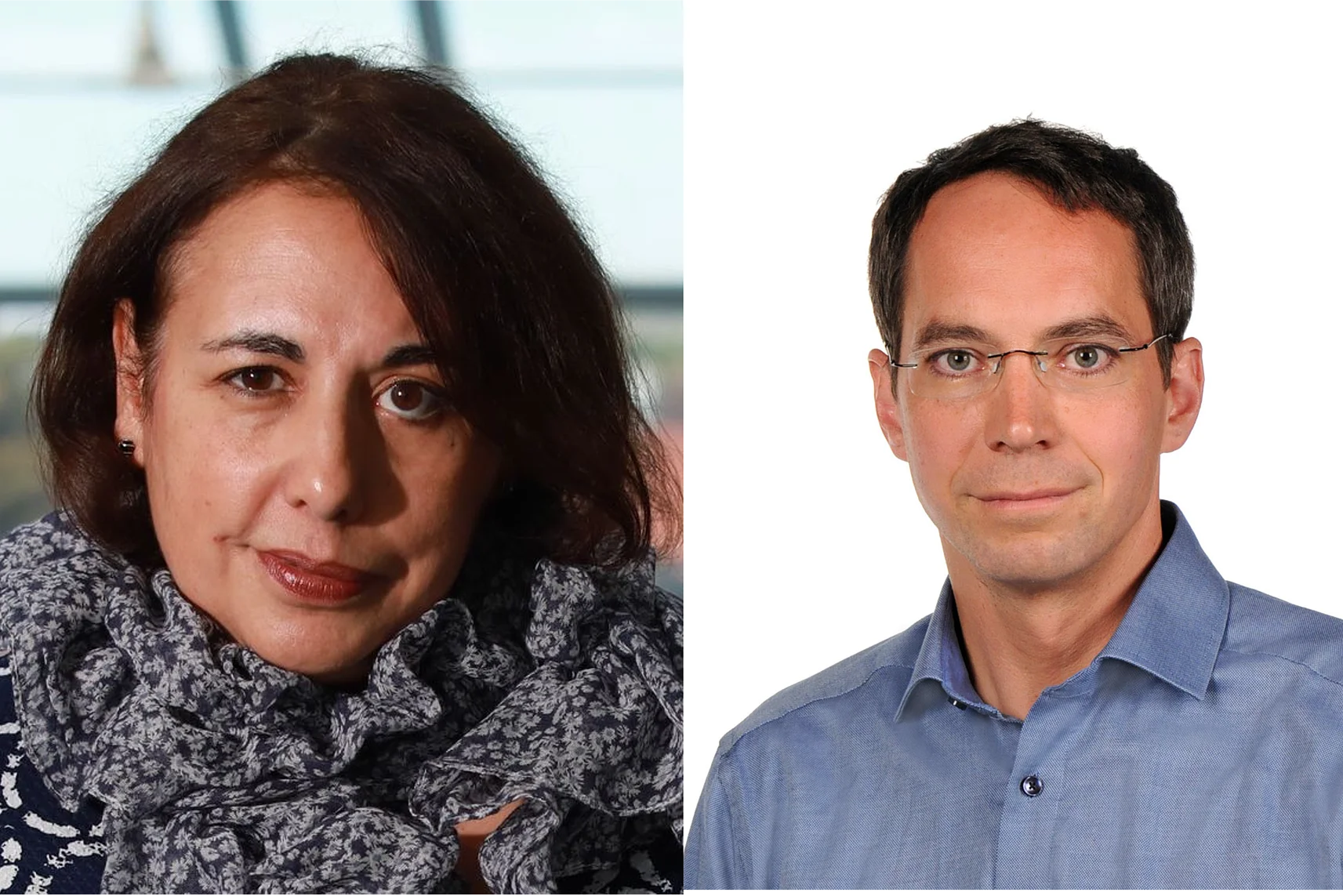
Project C06
Disentangling blood-based biomarkers for aging
Understanding key blood-based and epigenetic biomarkers can help us to disentangle aspects of aging, such as biological age and frailty. Dhayana Dallmeier and Wolfgang Wagner will develop reliable biomarkers of ageing and evaluate their aging trajectories, investigate epigenetic networks, and refine epigenetic clocks for clinical application. The aim is to optimize patient risk assessment and adjust treatments according to the individual ageing process. Additionally, the identified biomarkers and co-regulation networks of age-associated DNA methylation will be examined in mice.
Melanie Haffner-Luntzer / Jana Riegger-Koch
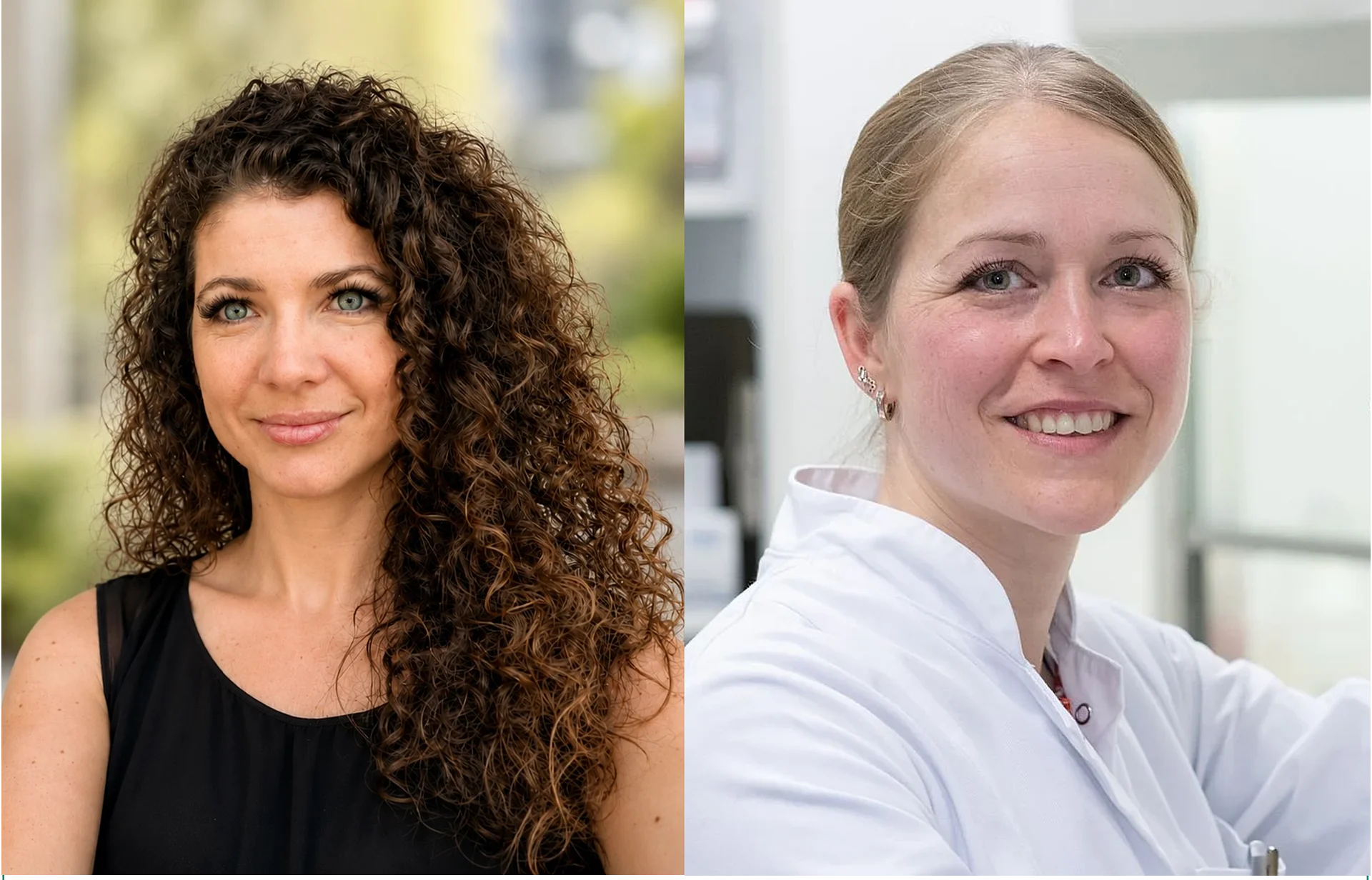
Project C07N
Impaired Mechanotransduction as a Potential Key Driver of Senescence-Related Bone Loss in the Aging Skeleton
In aging bone, the mechanosensitivity of osteocytes and osteoblasts declines, and senescent cells accumulate, yet the cellular interface between these processes remains undefined. Melanie Haffner-Luntzer and Jana Riegger-Koch will test whether senescent bone cells exhibit impaired mechanosensing and whether SASP factors alter the response of non-senescent cells. To this end, they will quantify mechanotransduction pathways, assess SASP-mediated paracrine effects, and evaluate senolytic interventions. These studies will clarify how senescence shapes bone mechanoadaptation. -→ Open Position
Ani Grigoryan
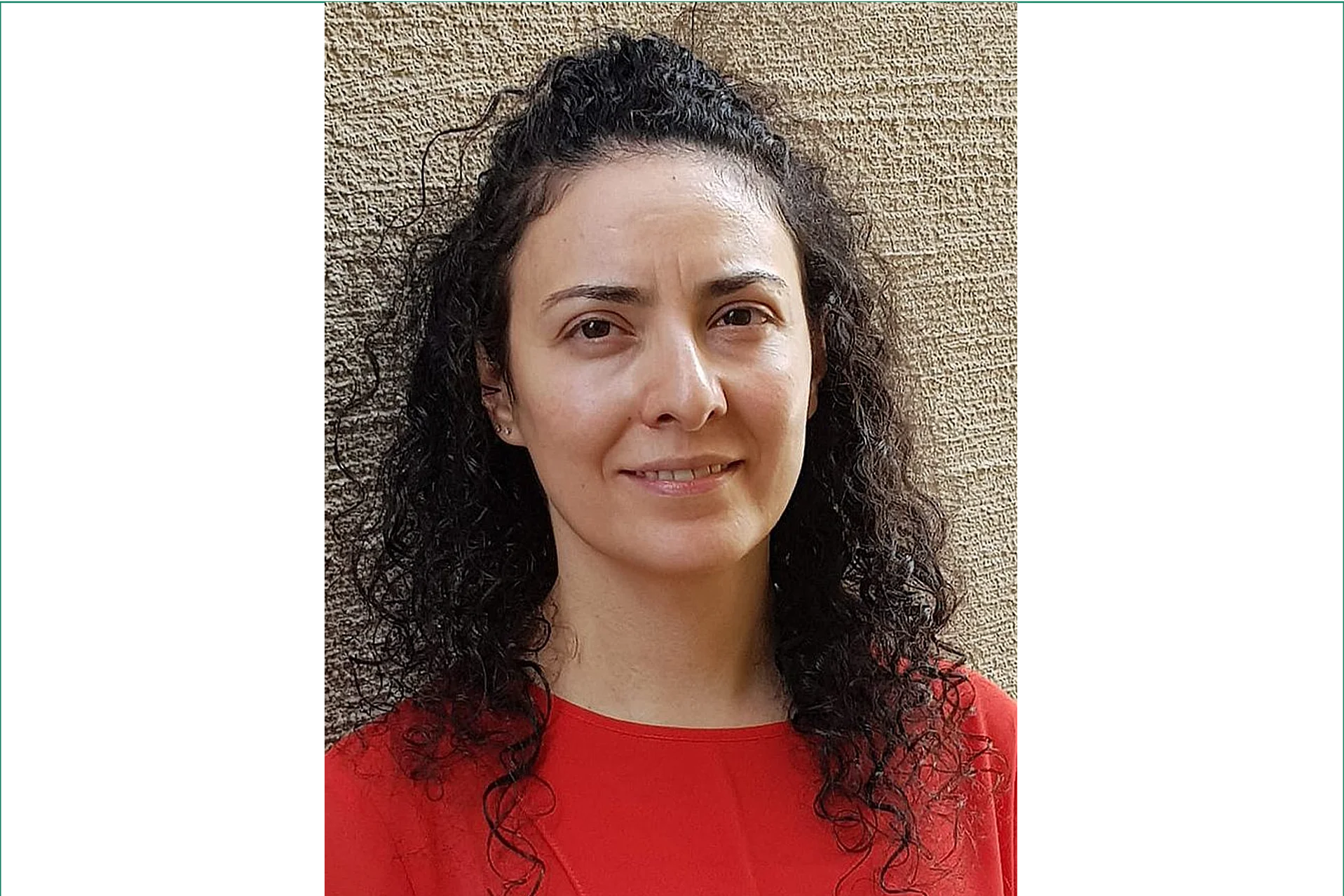
Project C08N
Aging of skeletal stem and progenitor cells
As we age, bone resorption increases relative to bone formation, leading to bone loss, osteoporosis and a higher risk of fractures. The underlying mechanisms of impaired fracture healing are not fully understood. The aging of human skeletal stem and progenitor cells (SSPCs) might be one of the causes of impaired bone regeneration in old age, and alterations in the mechanical properties of the cells could be one of the causes of human SSPC aging. Ani Grigoryan will examine whether alterations in the mechanical properties of cells are the cause of SSPC aging and whether modulating cell mechanics leads to the rejuvenation of aged SSPCs and thus to improved regeneration of aging bone. -→ Open Position
PROJECT AREA Z - ADMINISTRATION AND CENTRAL PROJECT
Project Z01
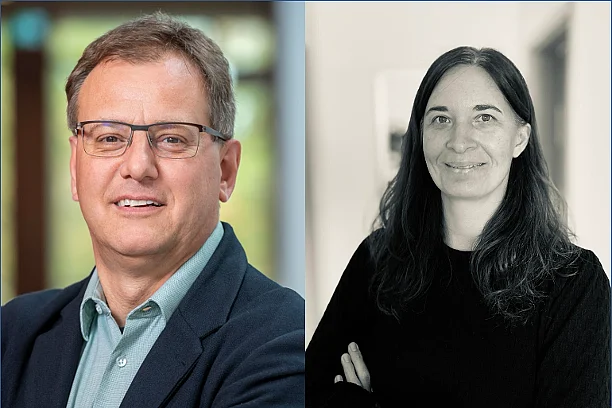
Hartmut Geiger / Bettina Möhrle
Administration
The central administration project for the planned CRC will coordinate the CRC and all training activities and support mechanisms. Assistance in preparation and submission of manuscripts, continuous support of the CRC homepage, and the organization of (inter)national scientific meetings will be provided by this central project. Travel and publication costs will also be estimated and organized by this project. Furthermore, this project will act as a central platform for internal and external contact and outreach.
Project Z02
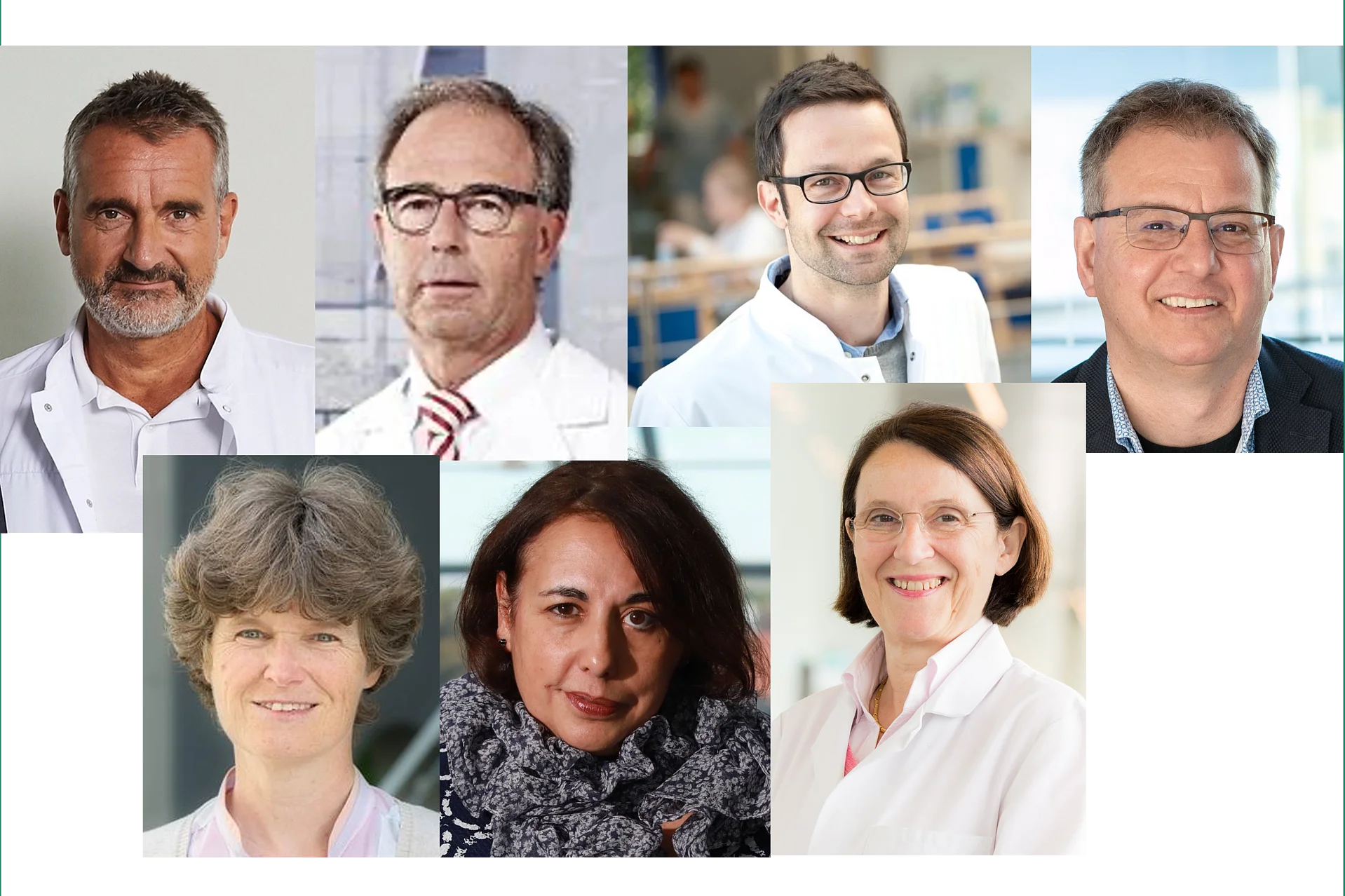
Dhayana Dallmeier, Michael Denkinger, Hartmut Geiger, Andreas Liebold, Gudrun Weinmayr, Karin Scharffetter-Kochanek, Hubert Schrezenmeier
Tissues and animals for aging research – an interdisciplinary approach
Z02 is a core platform supplying human blood cells, HSCs, MSCs, skin biopsies, and aged C57BL/6 mice to CRC projects. A major strength is access to primary tissues from older adults, mainly through the ActiFE study, which also integrates sample-derived data into its rich database. Additional human samples come from Dermatology, Cardiothoracic Surgery, and Transfusion Medicine. BAUM provides aged mice
- Institute of Molecular Medicine
- Institut für Epidemiologie und Medizinische Biometrie
- Agaplesion Bethesda Clinic Ulm, Research Unit on Aging
- Institute for Geriatric Research
- Department of Cardiothoracic and Vascular Surgery
- Institute of Transfusion Medicine
- Department of Dermatology and Allergic Diseases
Project Z03
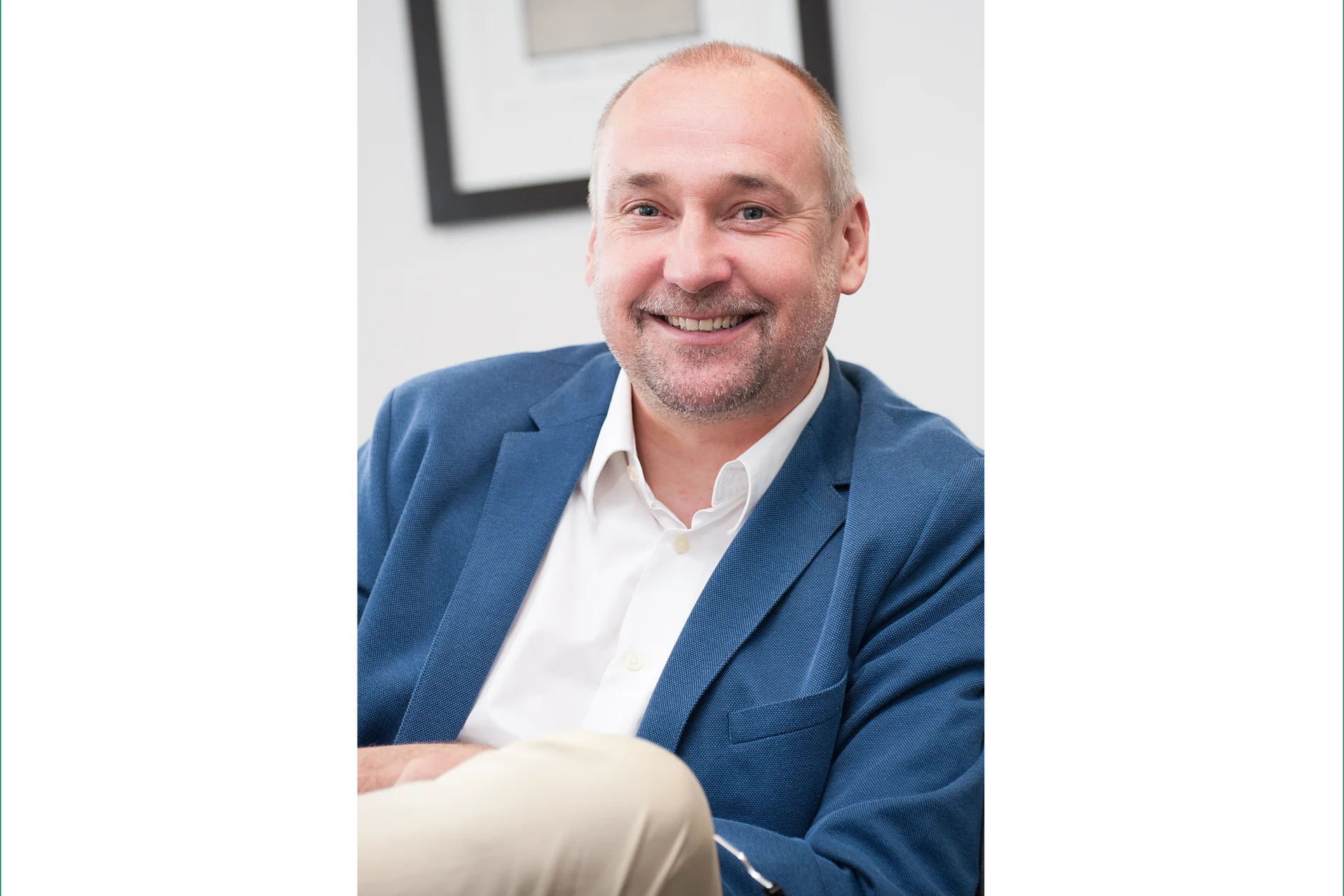
Tobias Böckers
Human Brain Libraries to Study Non-Pathological and Pathological Aging
Z03 will establish, curate and operate a library of human brain tissue ranging from normal aging to neurodegeneration to support SFB projects through standardized access to fixed and unfixed tissue and associated metadata, drawing on the Braak Brain Bank and a prospective donor program. Z03 will also perform a cross-project quantification of synaptic aging in different brain regions. In parallel, postmortem morphology will be linked to iPSC-derived neurons and organoids.
ASSOCIATE MEMBERS
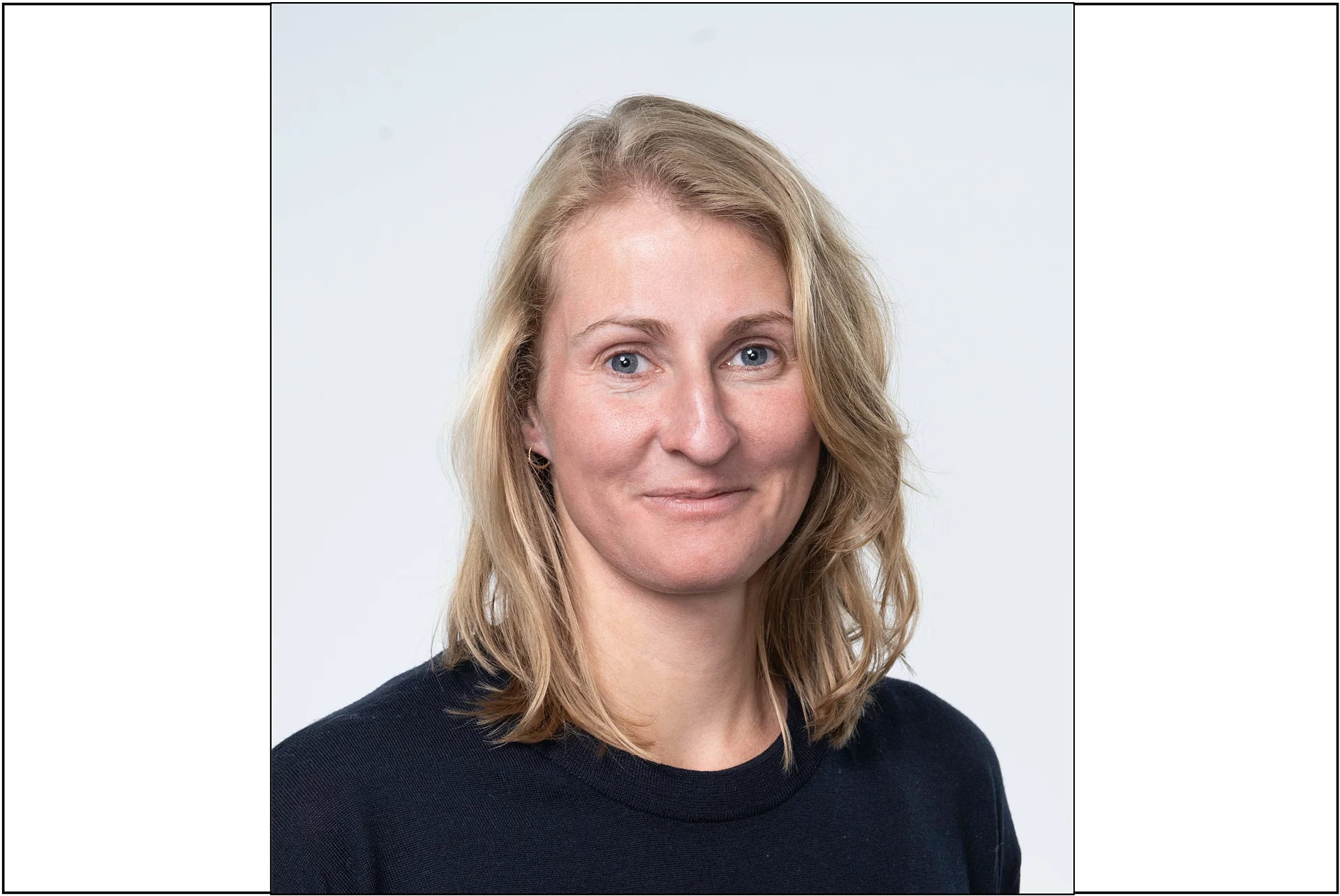
Katharina Papsdorf
Lipid droplet interfaces during aging and longevity
My research focusses on how specific dietary lipids drive cellular changes in intestinal cells to regulate lifespan. We showed that monounsaturated fatty acids extend lifespan by co-regulating lipid droplets and peroxisomes in the intestine, the primary interface between dietary nutrients and the organism. We combine dietary lipid supplementation, genetic perturbations and confocal imaging approaches to map and perturb organelle organization in nematodes and mammalian cell culture models. Our overarching goal is to uncover conserved mechanisms by which organelle interfaces maintain cellular homeostasis during aging.
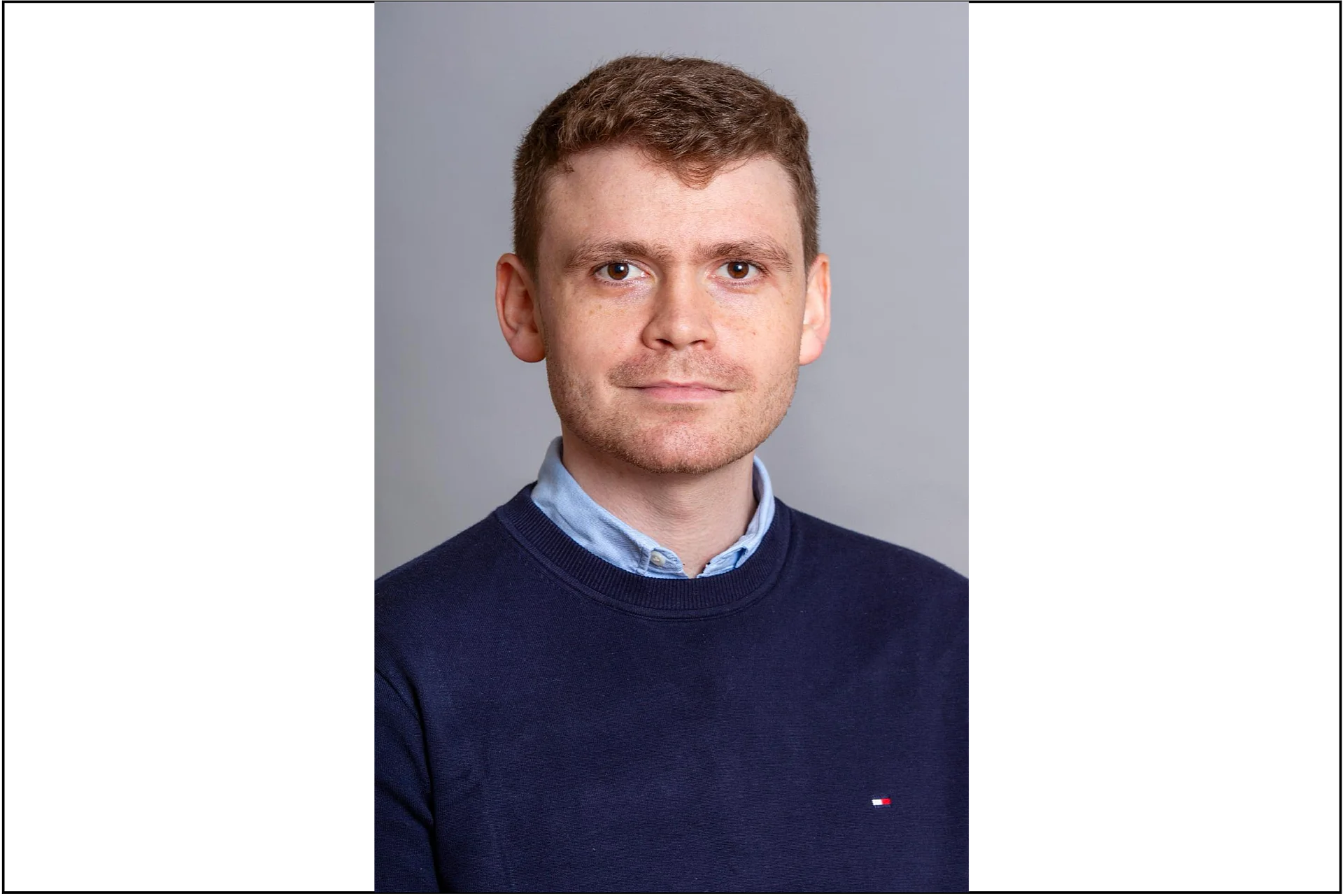
Christopher Hofmann
Aging of the colonic epithelium
The human colon is an organ severely affected by aging, which makes it not merely a site of age-related disease but a place where aging itself can be watched in fast forward. Our work reads this process in human colon organoids, in which it can be followed from its fetal beginning, and in clinical cohorts, in which it has run to completion, using state-of-the-art multi-omics approaches. We aim to translate these readouts into measures of tissue age and of risk for age-related disease. Our overarching goal is to uncover the conserved mechanisms by which a renewing interface accumulates time, and how this understanding can be used to prevent disease and to mitigate aging itself.
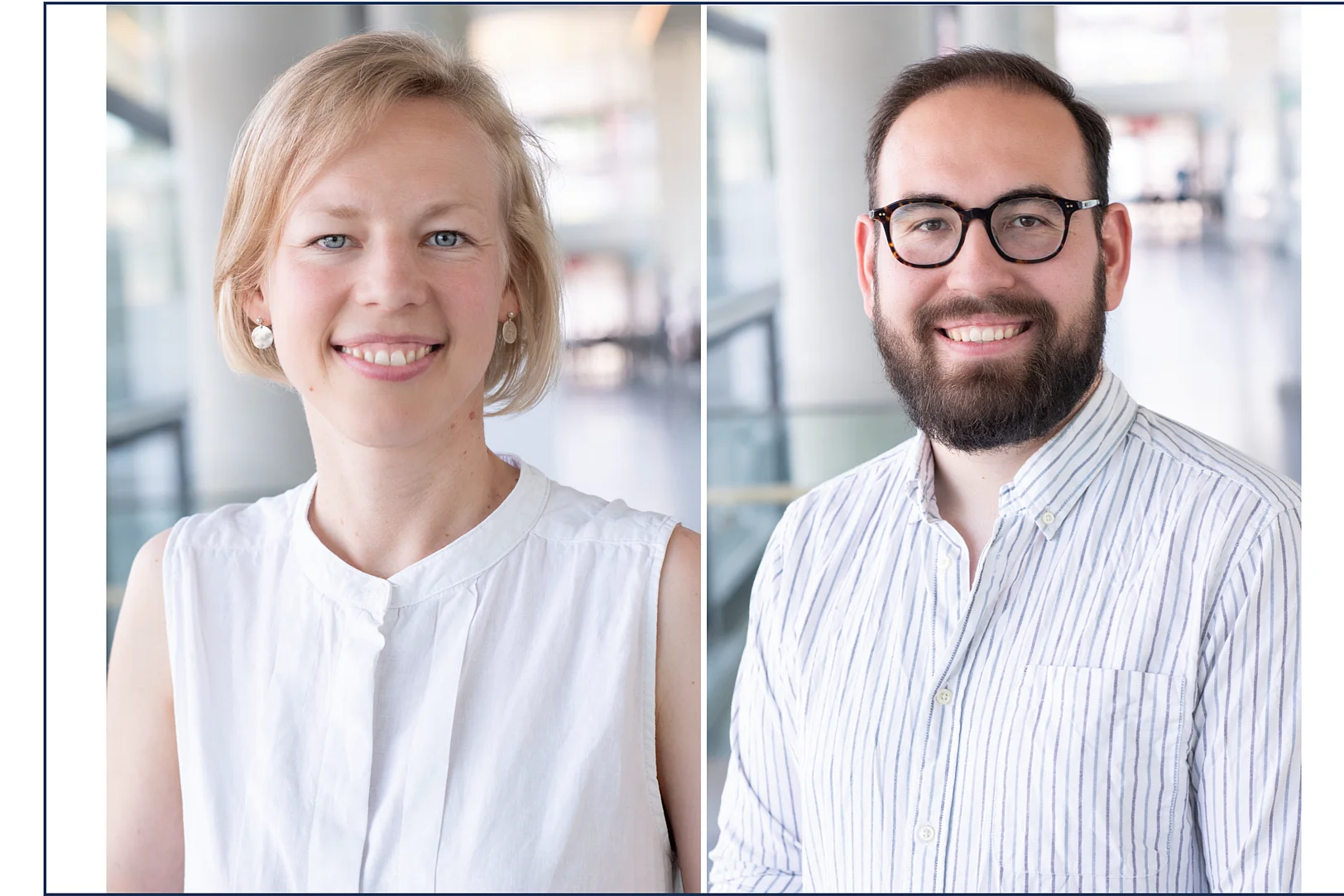
Julia Zinngrebe / Ulrich Stifel
The bone marrow adipocyte niche during aging
Bone marrow adipocytes are a distinctive component of the bone marrow niche whose abundance increases markedly with age. Whether this age-associated expansion is adaptive, detrimental, or both remains poorly understood. Our work uses single-nucleus RNA sequencing of human bone marrow aspirates to directly access mature bone marrow adipocytes and define their transcriptional programs and interactions with neighboring stromal, immune, and hematopoietic cells.
We aim to understand how bone marrow adipocytes change across the human lifespan, how they reshape the (aging) bone marrow microenvironment, and whether these changes contribute to impaired hematopoiesis, inflammation, or age-related disease.