

About Ulm
Situated on the banks of the Danube River, Ulm is renowned for its impressive Ulm Minster and as the birthplace of Albert Einstein. The city offers a unique blend of history, science, and culture, with Ulm University contributing to the city’s vibrant and innovative atmosphere.
Ulm Minster (Ulmer Münster): The Gothic Ulm Minster has proudly held the title of the world’s tallest church tower (161.5 meters) for nearly 135 years, until October 2025. Its soaring spire is visible from almost anywhere in the city; so in Ulm, you can’t really get lost. Currently, visitors can climb 520 steps (up to 102 meters) for stunning vistas over the city and Upper Swabia. Inside, the Minster showcases extraordinary Gothic artistry, including intricately carved choir stalls and magnificent stained-glass windows. For a unique experience, the “Birdly” VR flight simulator lets you soar like a bird over 1890s Ulm using your arms as wings.
Fishermen’s and Tanners’ Quarter: In Ulm’s picturesque old town, medieval half-timbered houses line narrow cobblestone streets along the River Blau. Over time, many have tilted as their wooden foundations settled into the soft ground. The most famous, the “Crooked House”, is operating as a hotel today. Visitors can stroll over small, maze-like bridges connecting the houses, see old mill wheels, and enjoy local restaurants before reaching the Danube.
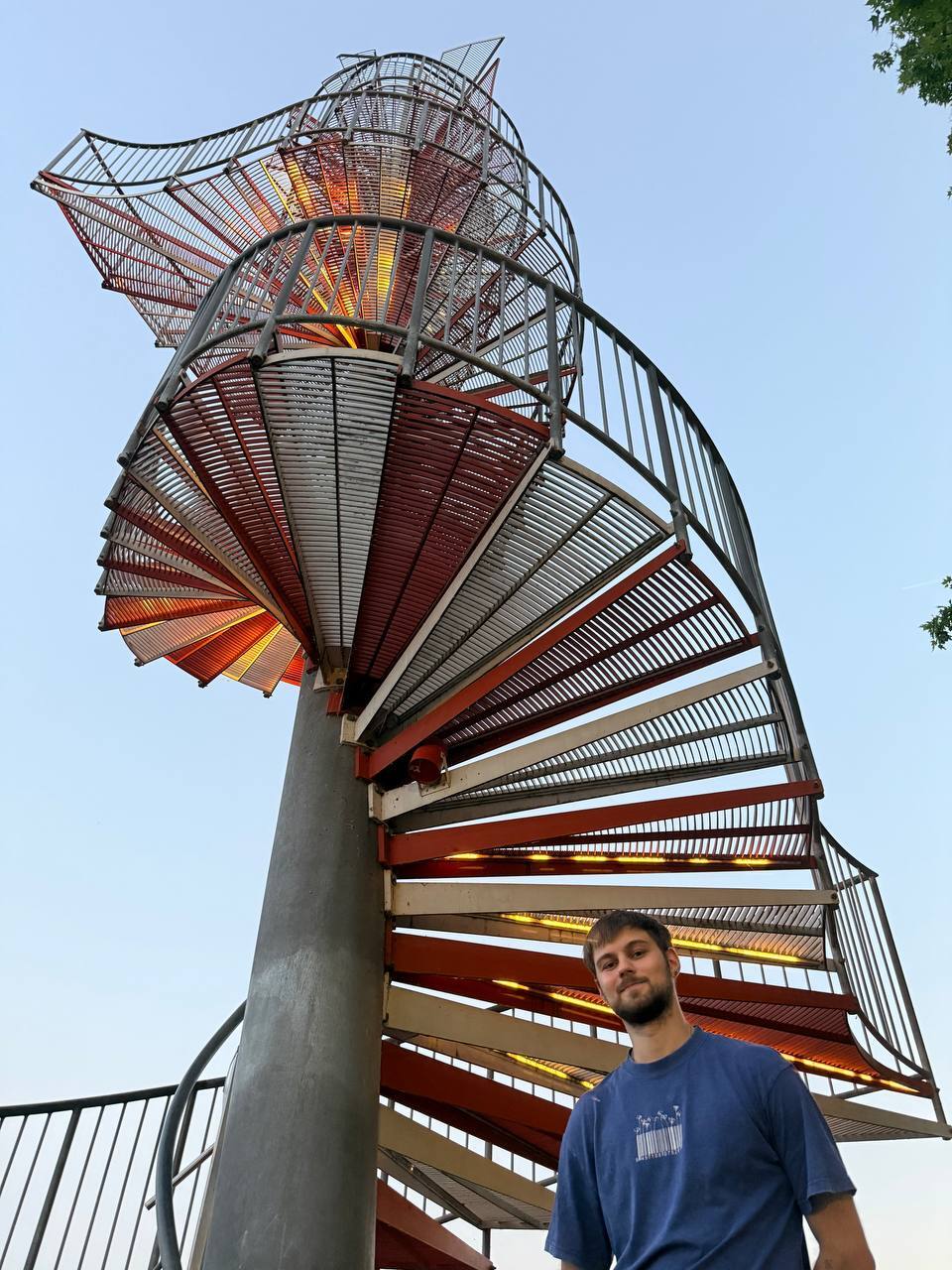
Berblinger Tower: A tailor by trade but an inventor at heart, Albrecht Ludwig Berblinger (known as the Tailor of Ulm) built a flying machine. Although his 1811 flight attempt failed and he was ridiculed for it during his lifetime, he is now celebrated as a pioneer of aviation and a symbol of visionary innovation. Visitors can climb the “Berblinger Tower” at his launch site to experience his daring attempt firsthand.
The Sparrow of Ulm (Ulmer Spatz): The small and endearing sparrow, Ulm’s beloved guardian, is rooted in a local legend: It is said that the people of Ulm were inspired by the sparrow’s clever nest-building during the construction of the Minster. Today, sparrow figures appear all over the city in various designs, colors, and expressions, turning their discovery into a delightful scavenger hunt.
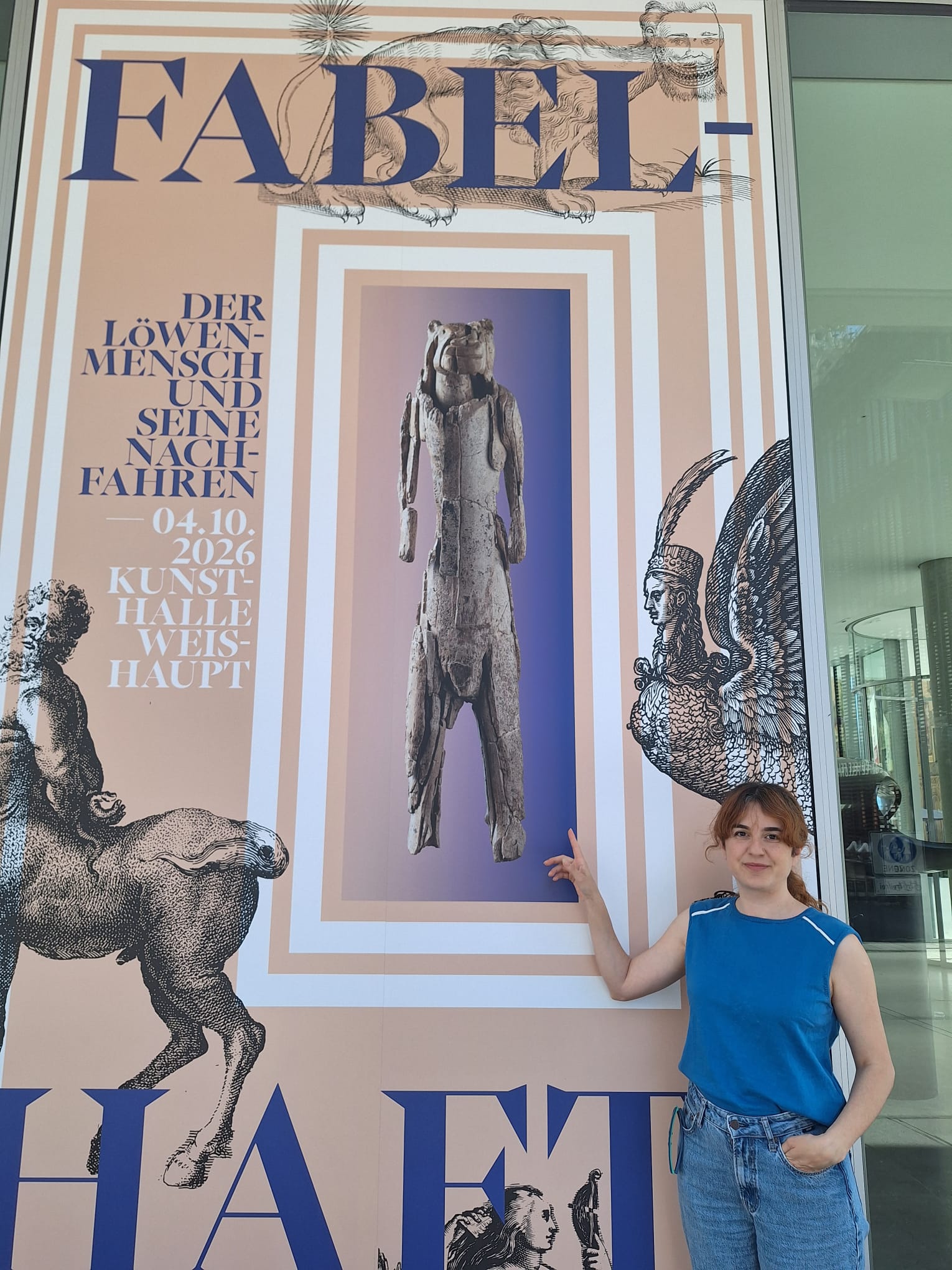
The Lion Man: The Lion Man, a 40,000-year-old sculpture discovered in the Stadel Cave near Ulm, is the world’s largest known Ice Age artifact. It will be exhibited at the “Kunsthalle Weishaupt” until October 4, 2026.
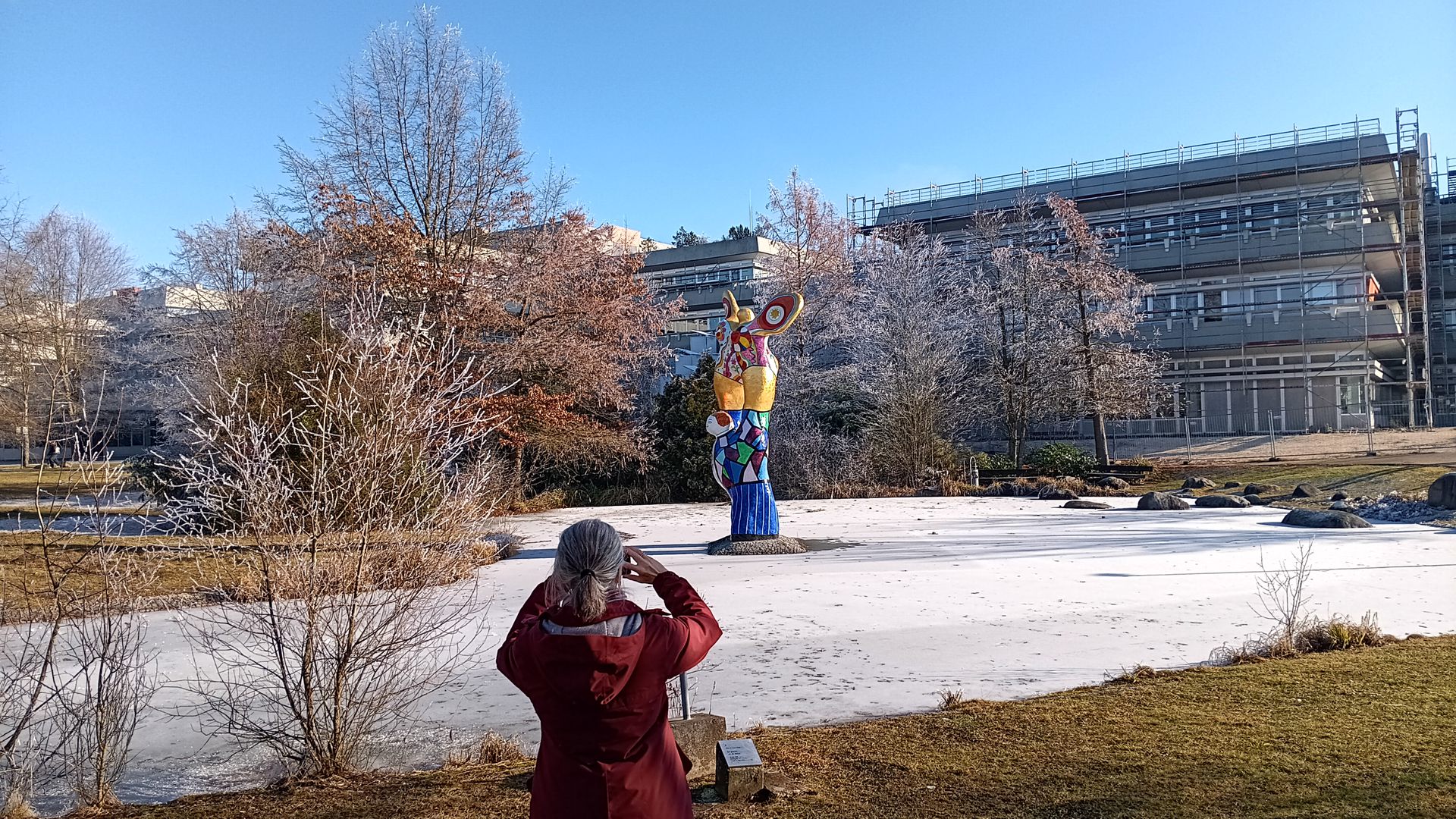
Ulm University Art Trail: Initiated by the Ulm Art Foundation and the University of Ulm, it features a circular trail of around 60 artworks by both internationally renowned artists and emerging talents.
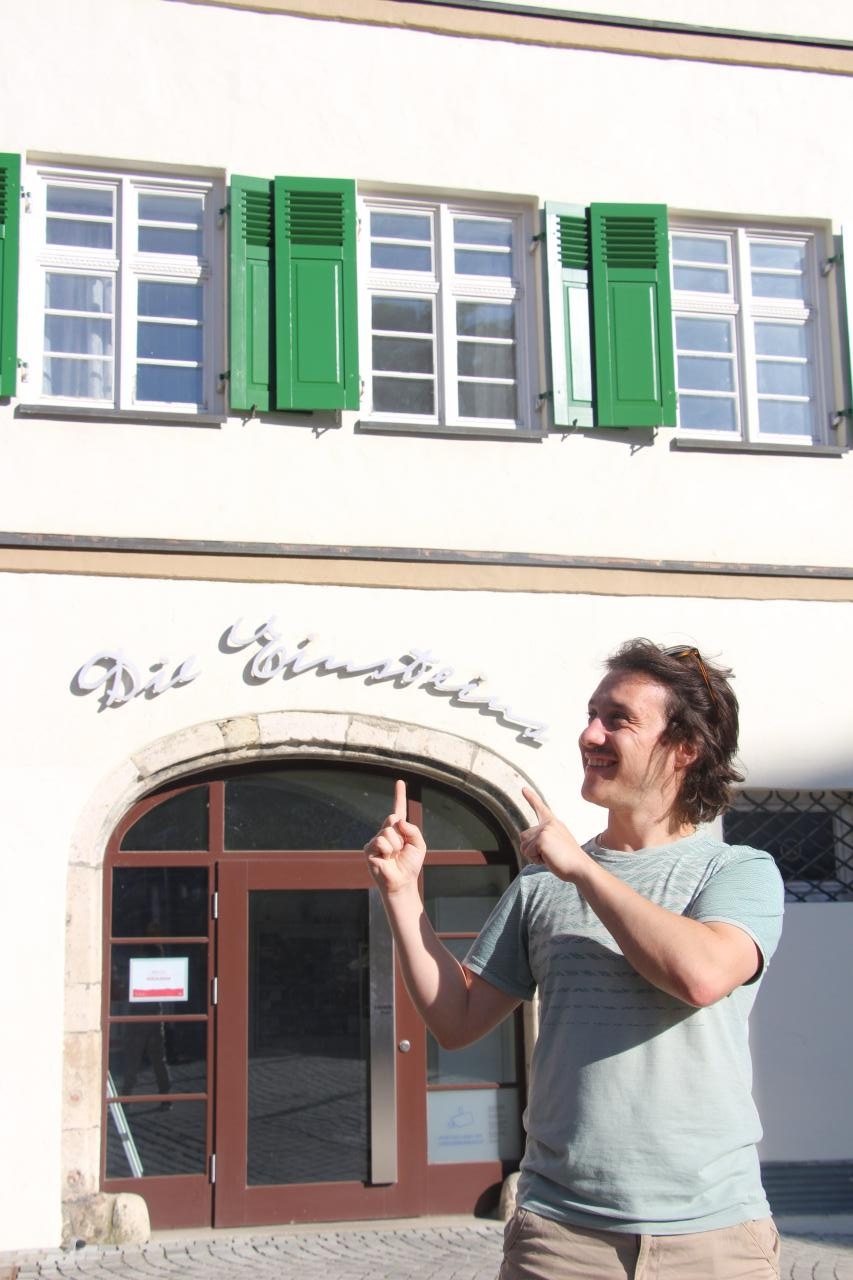
“Die Einsteins” Museum: The exhibition traces Albert Einstein’s family roots within Ulm’s 19th-century Jewish community.
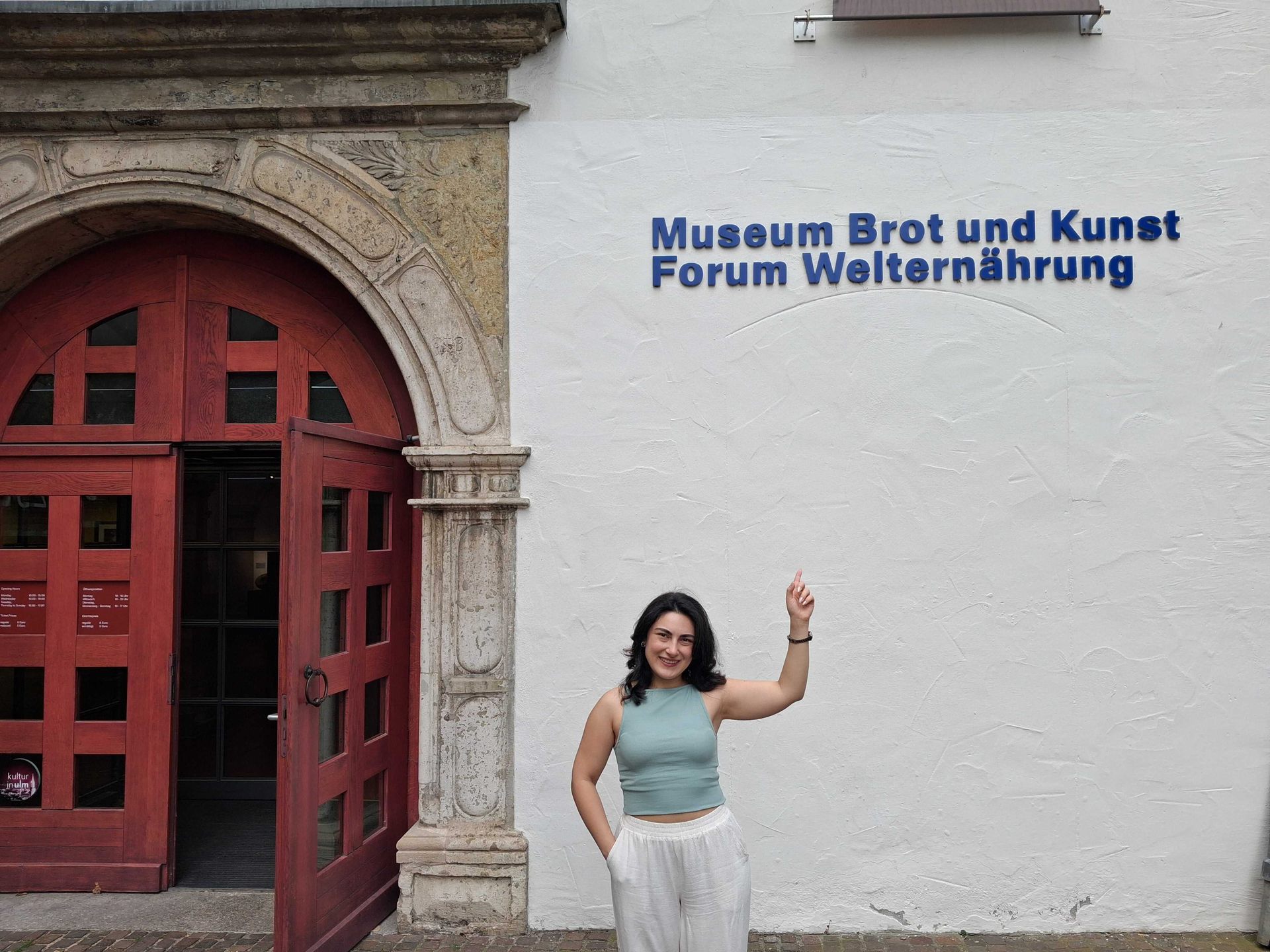
The Museum of Bread and Art: The artworks – from Rembrandt and Chagall to Picasso and Lüpertz – explores themes of humanity, nature, and the ethics of food and society. The museum also features installations on technological history of bread and nutrition, inviting reflection on global food challenges.
Nature enthusiasts can enjoy a scenic walk or bike ride along the Danube riverbanks up to the city’s green oasis, Friedrichsau.
Other venues, attractions, and events worth exploring include: Danube Swabian Museum, Rathaus Ulm, Stadthaus Ulm, Einstein fountain, the glass pyramidal City Library, the annual Nabada river procession.
Do you want to know more about Ulm? Visit the city homepage for more information.