


Kühl lab - research
Neural development (Kühl SJ)
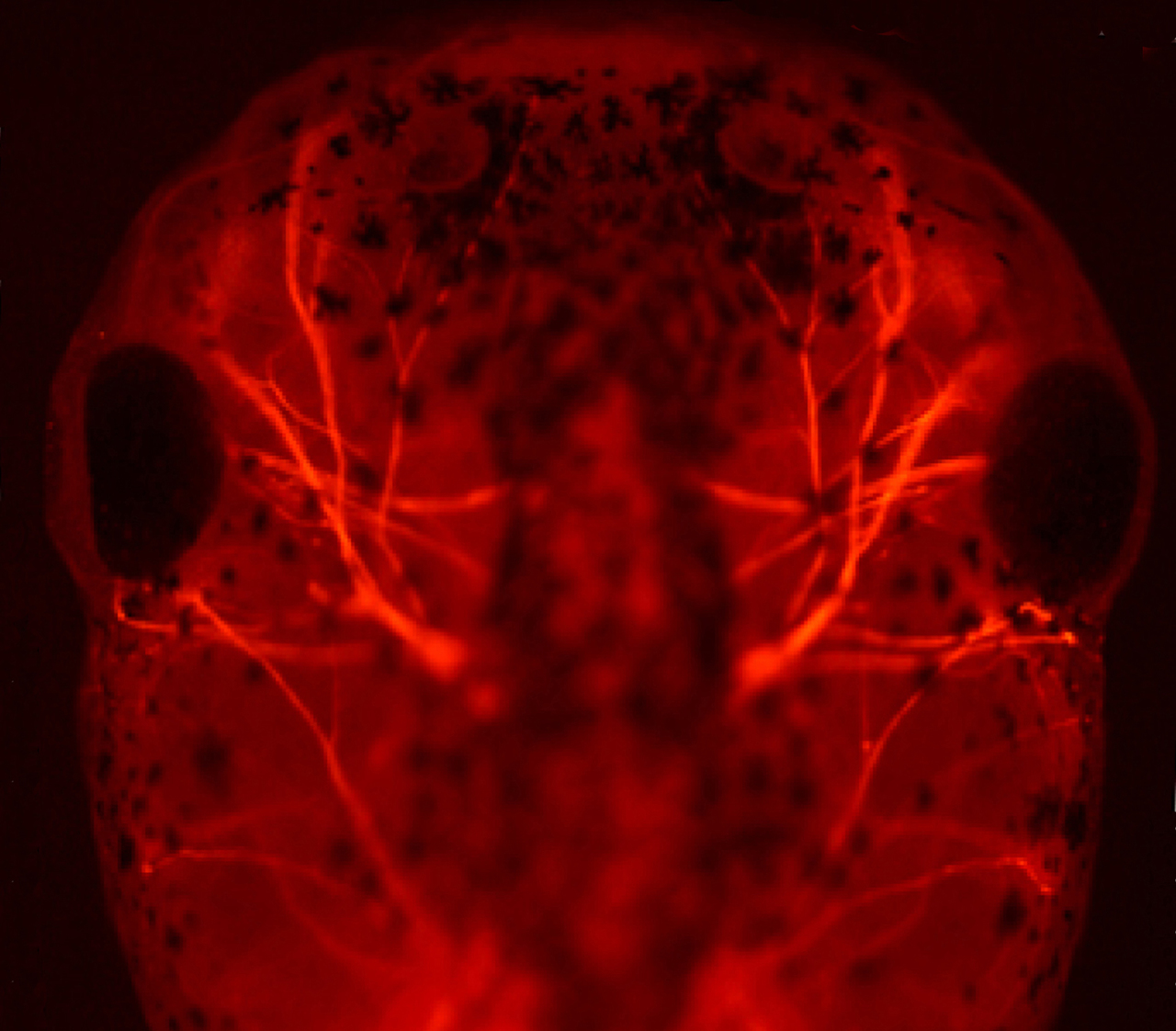
During neural development, non-canonical Wnt signalling pathways regulate the expression of selected targeted genes (Maurus et al., EMBO J. 2005). Target genes of non-canonical Wnt are among others Pescadillo, Peter Pan and Alcam (Gessert et al., Dev. Biol. 2007; Bugner et al. Development 2011; Cizelsky et al., Development 2013). We could furthermore show that proteins of the synapse are required for anterior neural development and that some of these molecules balance canonical and non-canonical Wnt pathway (e.g. Rothe et al. Development 2017). In this context, we are currently investigating the molecular mechanisms underlying non-canonical Wnt during neural development in the vertebrate organism Xenopus laevis.
Moreover, we are interested in the mechanisms underlying neurodevelopmental disorders in humans. In collaboration with clinical reseachers, we therefore examine the function of potential candidate genes involved in neurodevelopmental processes during early neural development in the Xenopus leavis embryo (Hempel et al., J. Med. Genet. 2016; Zawerton et al., Am. J. Hum. Genet. 2018). Currently, we investigate candidate genes involved in the Galloway-Mowat-Syndrome (GAMOS) (Mann et al., J. Am. Soc. Nephrol. 2021). A further research field is the analysis of ribosomal proteins during early embryogenesis of Xenopus laevis. Mutations in ribosomal factors can lead to congenital diseases in humans called ribosomopathies. Clinical manifestations include e.g. craniofacial malformations or eye defects. By loss of function approaches, we could already show that inferference with ribosomal factors results in defects during Xenopus embryogenesis and that these factors have diverse roles during development (Gessert et al., Dev. Biol. 2007; Bugner et al. Development; Tecza et al. Biol. Cell, 2011). To get more light in these complex picture, we currently examine further ribosomal factors during Xenopus anterior neural development.
Toxicology and developmental biology (Kühl SJ)
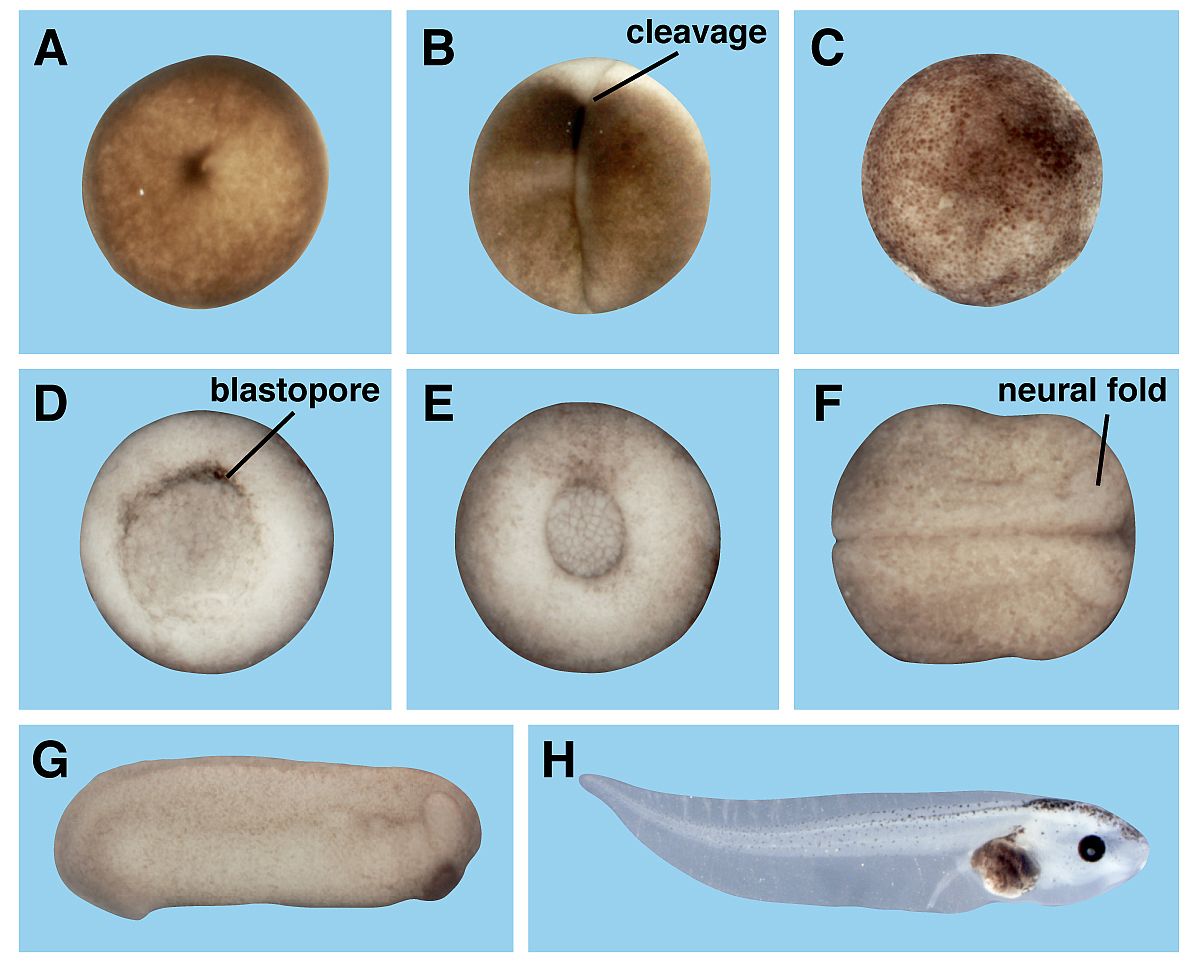
Pesticides, herbicides and insecticides in our environment negatively affect animals such as insects or aquatic animals. In this project, we analyze the influence of different pesticides on the early embryonic development of the aquatic vertebrate model system, the south African claw frog Xenopus laevis.