
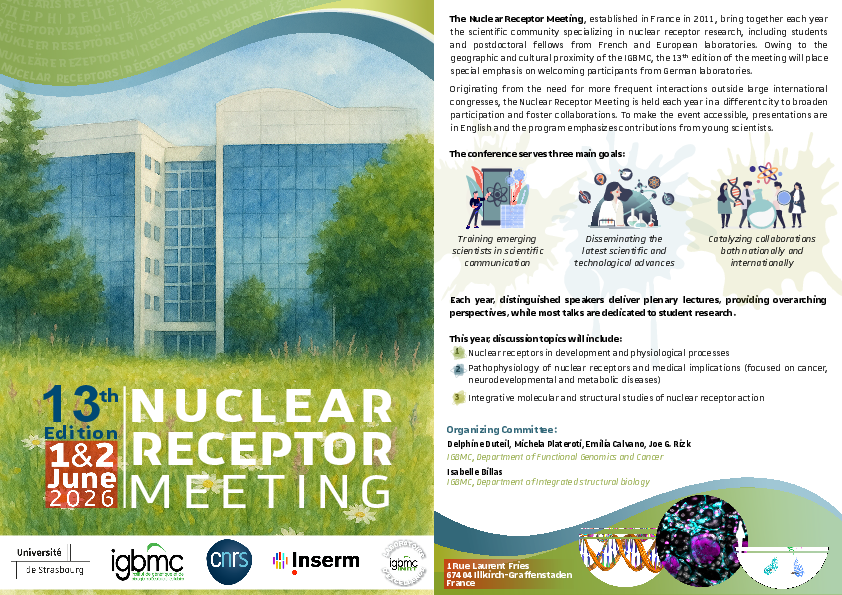
Dr. Vettorazzi with a Keynote Lecture on the Nuclear Receptor Meeting in Illikirch 2026


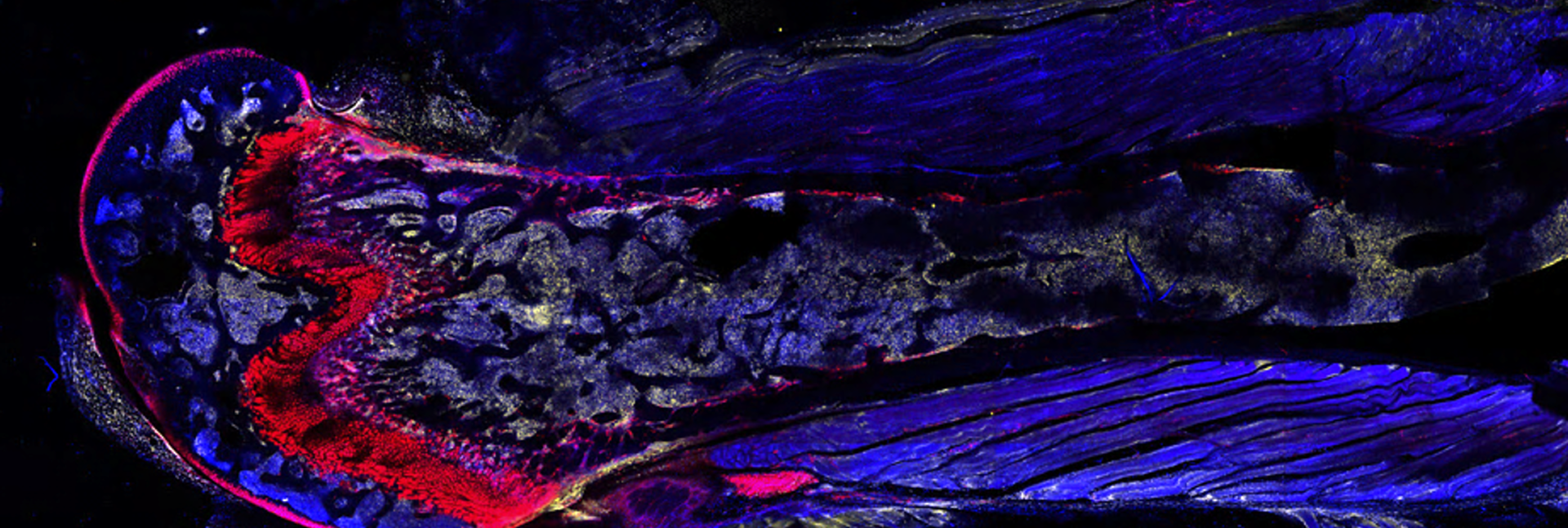
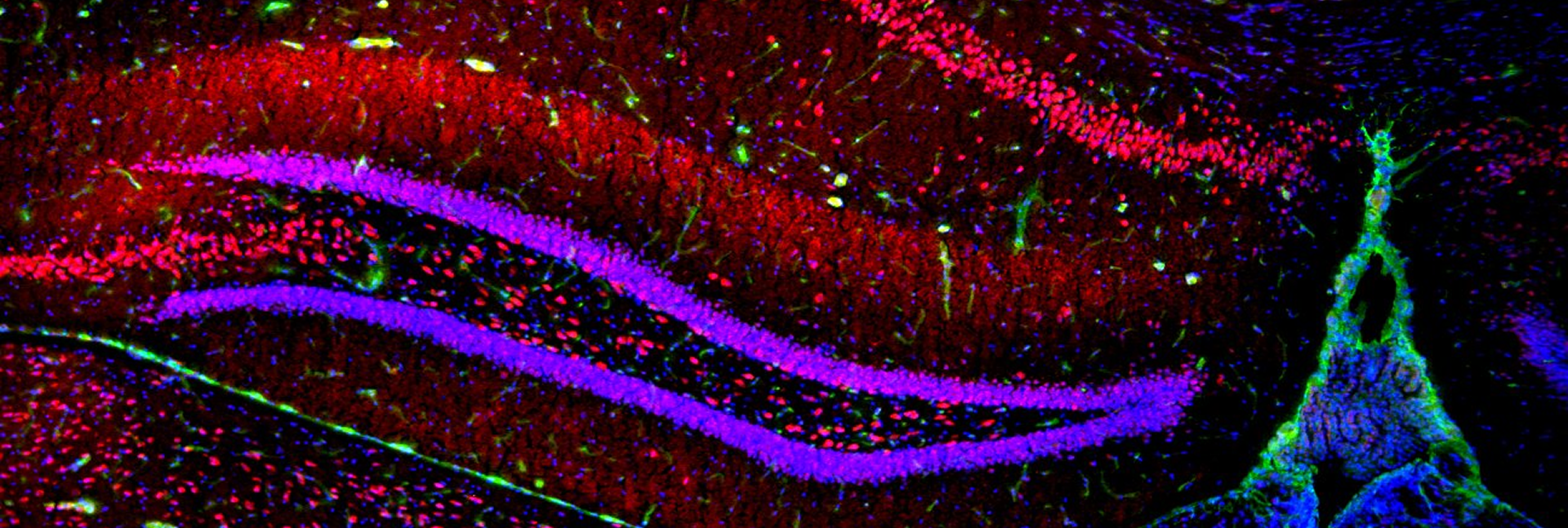
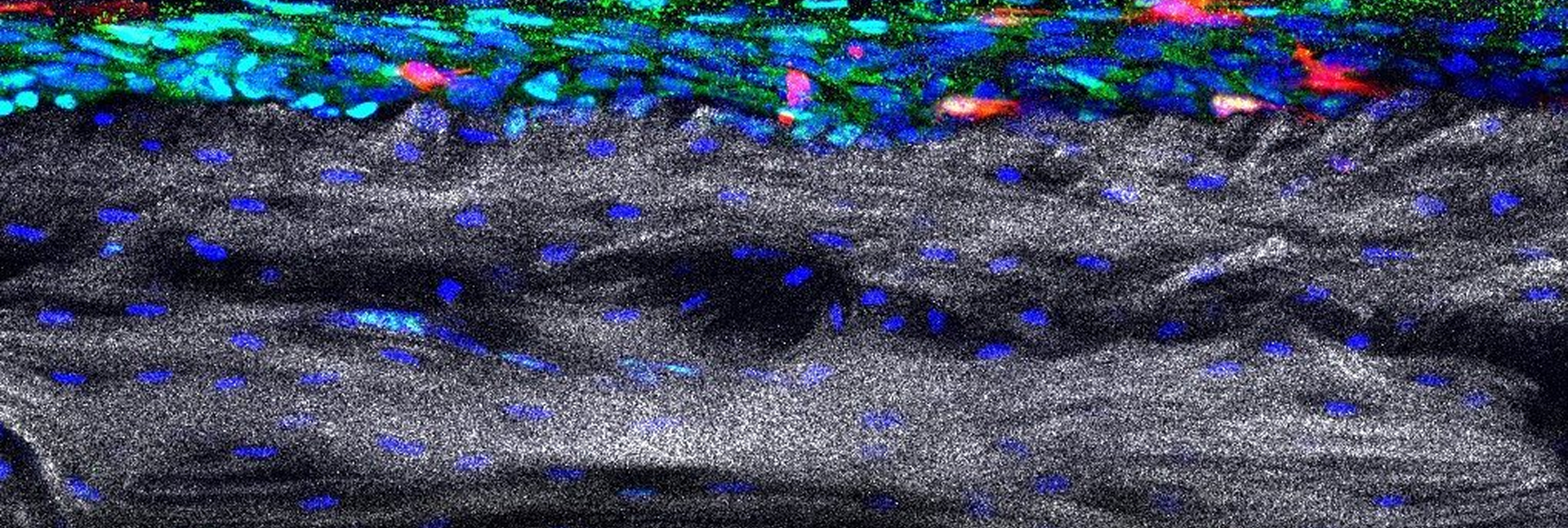
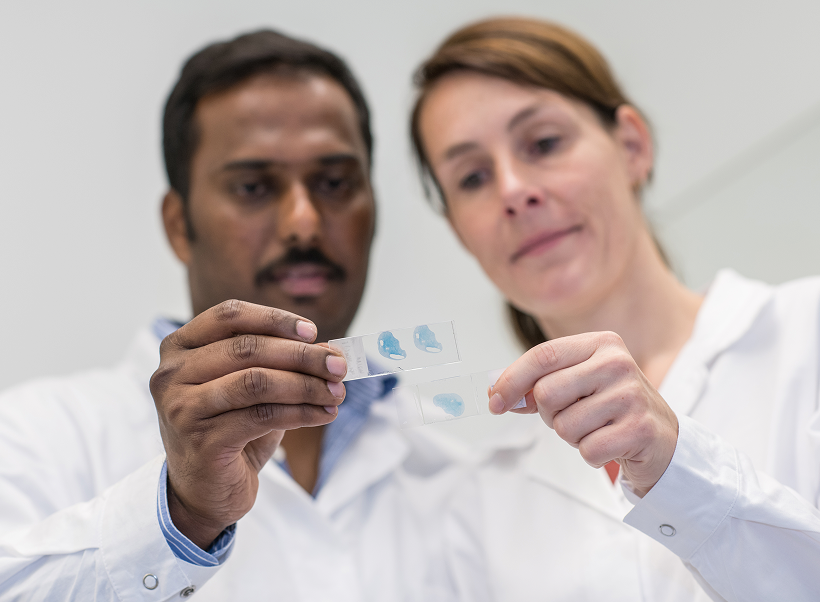
Am Institut für Molekulare Endokrinologie und Physiologie erforschen wir neuroendokrine Mechanismen von Stressreaktionen im zirkadianen und saisonalen Kontext, mit besonderem Fokus auf die Regulation durch Stresshormone wie Cortisol und Katecholamine. Unsere Forschung befasst sich mit Entzündungen, Energiestoffwechsel, Homöostase des Bewegungsapparates und Mineralstoffwechsel anhand von Krankheitsmodellen wie chronischer Entzündungen, Krebs, Alterung, Knochenregeneration und Eisenhomöostase. Unsere Arbeit leistet einen wesentlichen Beitrag zum universitären Schwerpunkt „Lebenslange Gesundheit“ und konzentriert sich auf die „Mechanismen von Stress und Resilienz biologischer Systeme“.
Die Forschungsergebnisse fließen in die Lehre der Bachelor- und Masterstudiengänge in Biologie, Biochemie, Pharmazeutischer Biochemie, Humanmedizin und Zahnmedizin ein. Das Institut leitet grundlegende endokrinologische und physiologische Forschung mit dem Ziel, hormonelle Signalwege mit therapeutischem Potenzial für entzündliche Erkrankungen, Stoffwechselstörungen und Osteoporose zu verstehen.

Director

Professor

Professor Doctor

Group Leader

Group Leader
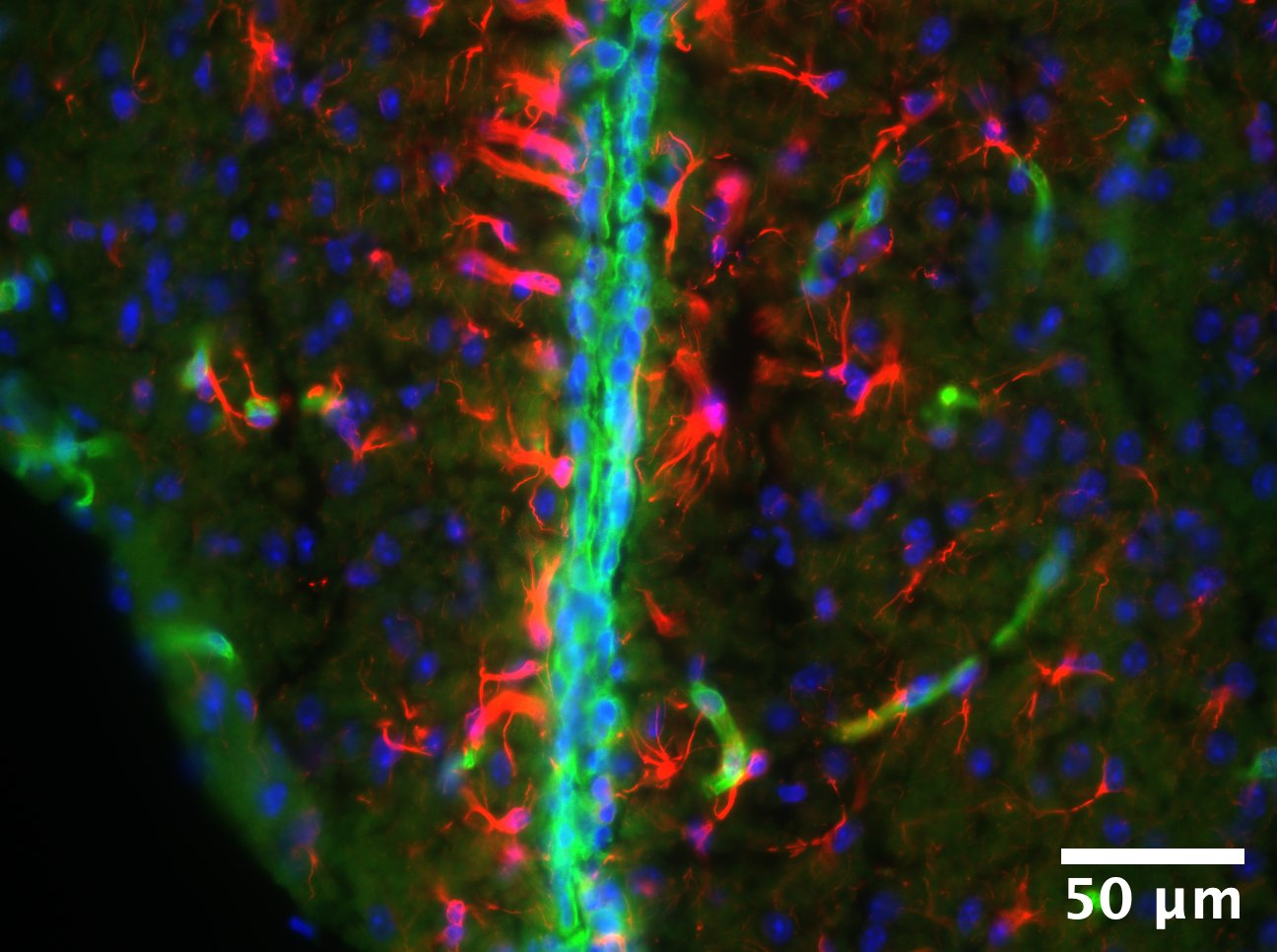
We proudly announce our review article about the concepts of cortisol action published in the Annals of Rheumatoid Diseases, 75 years after the Hallmark paper from Hench and Kendall that inaugurated cortisol treatment. Eiers AK, Vettorazzi S, Tuckermann JP. Journey through discovery of 75 years glucocorticoids: evolution of our knowledge of glucocorticoid receptor mechanisms in rheumatic diseases. Ann Rheum Dis (2024)ard-2023-225371. doi: 10.1136/ard-2023-225371
Read the Article
Ursula Seifert
Room: M25 - 5202
Phone: +49 (0) 731-50-32655
Fax: +49 (0) 731-50-32656
ursula.seifert(at)uni-ulm.de
Office hours:
Tuesday: 07:15-15:45
Thursday: 12:00-16:00
Friday: 07:15-15:15
Sybille Smith
Tel: +49 731 50 32601
Fax: +49 731 50 32609
Helmholtzstr. 8/1
Room: 3.33
Email: nawi.mep(at)uni-ulm.de
Office hours for students:
Tues. + Thurs. 9:00 - 12:00 and 14:00 - 16:00
Universität Ulm
Institut für Molekulare Endokrinologie und Physiologie
Helmholtzstr. 8/1
89081 Ulm