


Economics (Econ) – for all those interested in economics on the Bachelor’s programme
You probably associate economics with economic forecasts, the Bank of England and unemployment. That’s true and fascinating, but it’s by no means the whole story. The courses in the Economics (VWL) programme focus on people who have to decide how to allocate scarce resources. Money is, of course, scarce, but so are time, environmental resources and even our attention. Through their decisions, people shape the society in which they live: poverty and wealth, burnout and unemployment, nature and environmental pollution, urban and rural areas, as well as health and illness. Economics asks: Do people make rational decisions, or do psychological factors play a role? What do good business strategies look like? How can we influence decisions in general, and should we even try to do so? What are the consequences for society?
Topics
Why are auctions so important? Preston McAffee explains the practical application of auction theory.
What are the benefits of performance-related pay? Isn’t it more important to hire the right people? Nava Ashraf explores these questions.
Children are drinking too many sugary drinks. Can taxes help? Rachel Griffith reports on her research into the 'soda tax' in the UK.
When do people act irrationally, and can they be encouraged to make better decisions? Economist Richard Thaler explains the principle of ‘nudges’.
How do markets really work? In this video, Kathryn Graddy talks about her field research at a fish market with a dubious reputation.
How should banks be regulated? Economist Anat Amati explains the challenges facing the banking system.
Courses on offer (6 credits each)
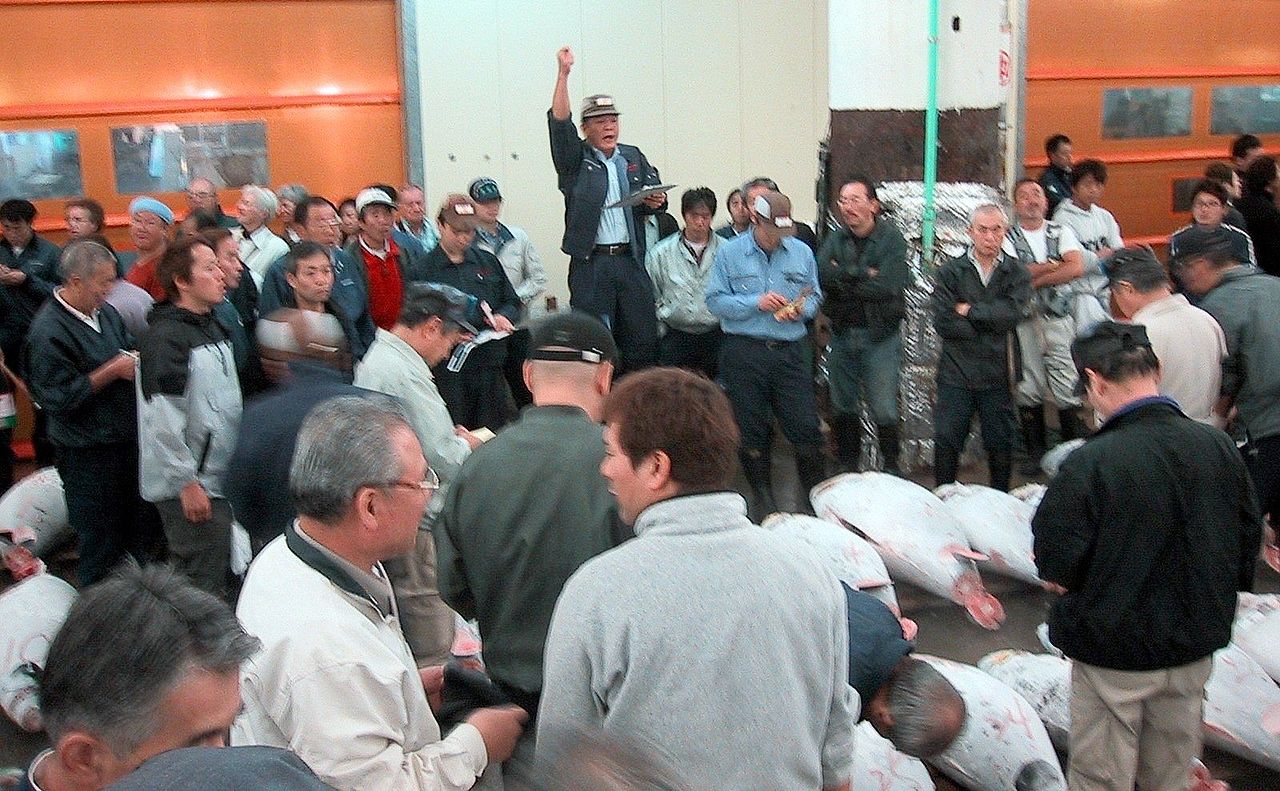
How does bidding behaviour depend on the chosen auction design? Which auction format yields the highest proceeds for sellers? Which auction format is efficient?
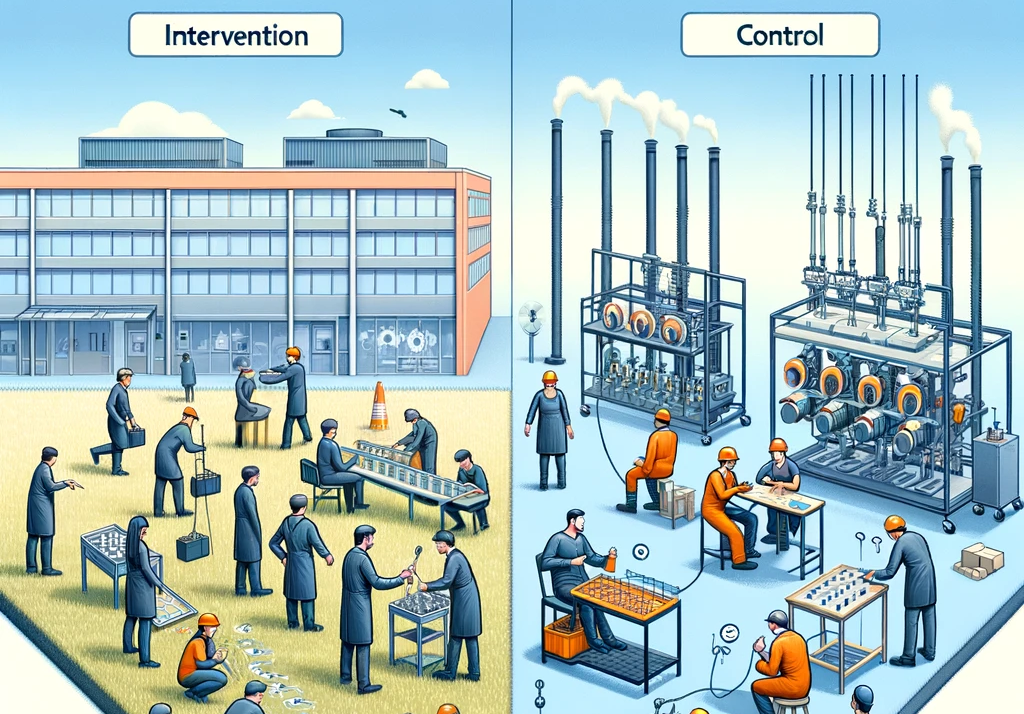
Do people work harder when they are paid higher piece rates? What reactions does wage inequality provoke? What are the reasons for discrimination? In this course, we explore these and many other fascinating questions using field experimental approaches...

How do minimum wages affect employment, or how does search engine advertising affect turnover? You will also explore many empirical questions and methods yourself, using real-world datasets and interactive exercises in R.
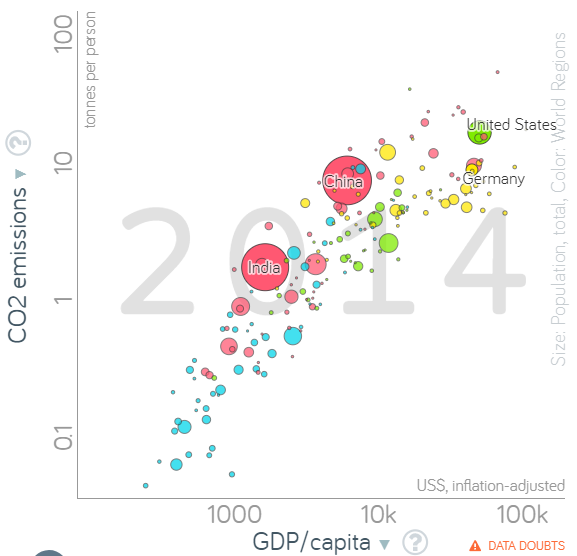
Emissions trading, taxes, bans or quotas? How can we tackle global climate change, local pollution, overfishing and the finite nature of natural resources using economic expertise?
What constitutes rational behaviour when we interact with others? What role do expectations and information play? What quantities or prices do competing firms choose? When does a price war break out? When are price cartels stable?
Economic policy
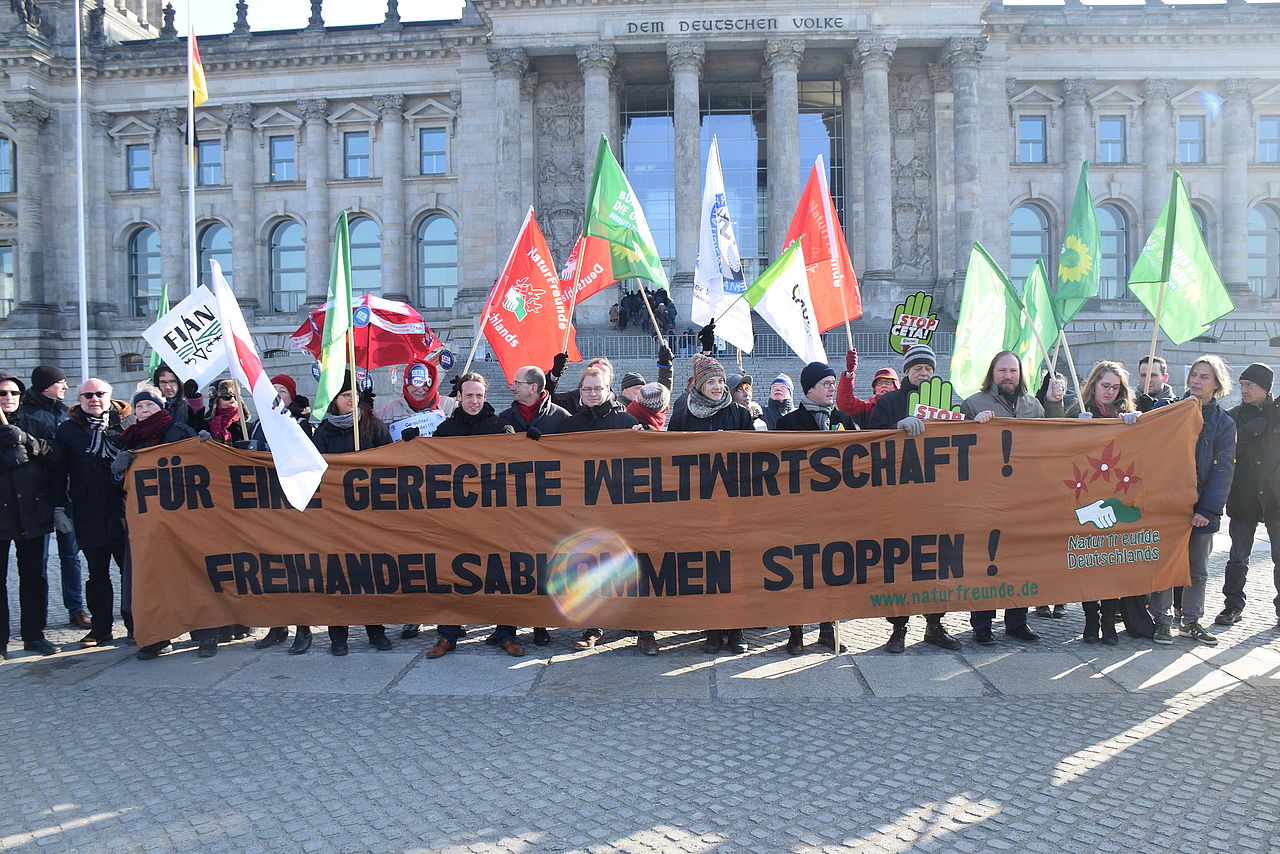
What should the role of the state be? What should the state spend its money on? Who pays taxes, and what are the costs involved? Why does the state provide social security?
Inequality, elections, interests – who gets what, when and why? Why is wealth redistributed – and why is it often not enough? Who benefits from taxes and transfers, and who pays? How do political preferences, institutions and information influence state redistribution?
Career prospects
The Economics specialisation will make you an outstanding generalist. You will learn to think systematically about economic issues, to gain an overview of organisational problems, to assess markets and to interpret data. Companies, not least strategic management consultancies, have long recognised and valued these skills in economists. In our broad-based Bachelor’s programme in Ulm, we offer you the opportunity to combine a sound education in Economics with specialist knowledge in a further profile from Business Administration.
If you wish to work in economics, you can help shape our collective future at government departments and the European Commission, regulatory bodies (Federal Network Agency, ECB), international organisations (World Bank, IMF) and non-governmental organisations. Companies often have economics departments too: banks have always had them, but now so do the major players in the internet economy (Google, Microsoft, Uber).
A graduate's perspective
I currently work in the field of data analytics for a global pharmaceutical company. My role requires skills from a wide range of disciplines. For example, programming skills form the basis for efficient data processing. Furthermore, I must be able to carry out a wide variety of statistical analyses using the processed data and, above all, interpret them correctly. Ultimately, a deep understanding of economic and business contexts is essential for presenting the results of my analyses in a clear and understandable way and for working with management to define any necessary courses of action. In short, my day-to-day work requires skills from many different areas – skills for which my time in Ulm provided me with the ideal preparation.
Dr Gregor Hesse, Head of Data Analytics, Vifor Pharma Zurich
Further information
In 2018, Gerlinde Fellner-Röhling and Sandra Ludwig were awarded the University’s Teaching Prize for their innovative use of economic experiments in teaching.
In the Economics programme, we offer research-based bachelor’s theses on fascinating topics. In this example, Clara Ulmer has recreated a research project on the influence of soap operas on birth rates in South America and published it online as an interactive R-Tutor problem set.
Economic experiments allow us to study human decision-making behaviour under controlled conditions, test existing theories and develop new ones, as well as derive recommendations for businesses and economic policy. As a student, by taking part in experiments you can experience scientific research first-hand and earn money at the same time! ULESS is also used in teaching: ‘learning by doing’ is not only fun, but also reinforces understanding of the course content.
Research at the Institute
Online retail is increasingly displacing high-street retail. How does this benefit consumers? Does the extra competition lead to lower prices? Georg Gebhardt shows that competition from online retailers in Germany does indeed drive prices down, and that this is one of the reasons why it is displacing high-street retail.
Why are women often less successful in the job market than men? Sandra Ludwig and Gerlinde Fellner-Röhling, together with a co-author, show that women are more prone to feelings of shame: they give less optimistic self-assessments of their performance when these can be objectively verified by a potential employer. Men, on the other hand, are hardly affected by shame: in this situation, they tend to overestimate themselves even more.
![[Translate to english:] Journal of Public Economics](/fileadmin/website_uni_ulm/mawi.uless/JPUB.jpg)
Do higher taxes induce more tax evasion? This question is a hard one to tackle, not least because data on tax evasion is usually not available. With innovative methodology, Gerlinde Fellner-Röhling and her coauthors show that higher taxes indeed induce more tax evasion.
What are appropriate moral standards in a world where people have varying degrees of moral motivation? Using a game-theoretical model, Sebastian Kranz analyses the following principle: ‘Behave in the way you would want all morally motivated individuals to behave when a certain proportion of people are selfish.’ He shows that this model is quite effective at explaining the behaviour observed in economic experiments.