
In practical terms
Our degree programmes always have a strong practical focus. Not only does this offer a change from studying from books, but it’s also great fun.


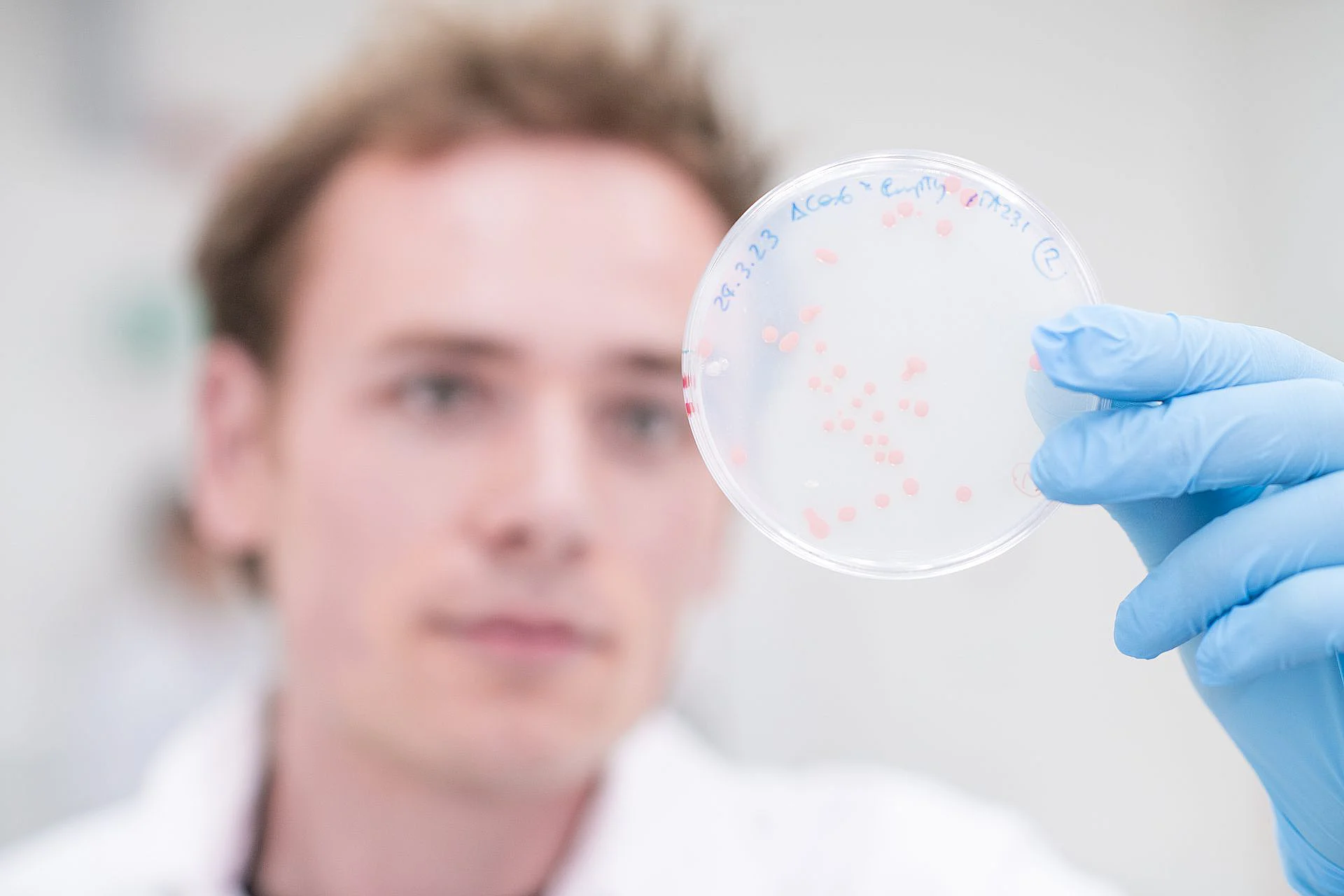
The degree programme includes modules in biochemistry, biology, chemistry, biophysics and medicine. Specialised knowledge is acquired through compulsory elective lectures and, finally, the ability to carry out independent scientific work is acquired through a master's thesis.
Master of Science (MSc)
120
4
On 8 May 2026, an information session was held on the Master’s programmes in Biochemistry and Pharmaceutical and Molecular Biotechnology (slides available here).
The next information session is expected to take place at the end of October.
Our degree programmes always have a strong practical focus. Not only does this offer a change from studying from books, but it’s also great fun.
Are you interested in the molecular foundations of life or in the application of modern techniques in the life sciences? If so, biochemistry is the subject for you, as it combines fundamental research in the life sciences with cutting-edge investigative methods from the fields of biophysics, chemistry and computer science. Studying at Ulm University lays the foundation for contributing to cutting-edge research topics in a dynamic environment.
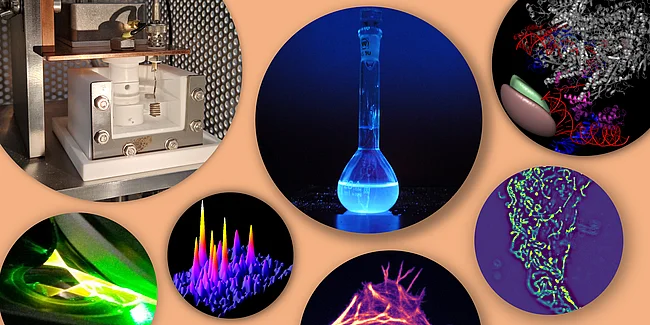
Many breakthroughs in the life sciences have been made possible by innovative techniques or research activities outside the mainstream. Our Master’s programme therefore combines traditional core subjects in biochemistry, such as cell biology, microbiology and biophysics with unique specialist modules, each led by leading scientists and covering topics such as the RNA biochemistry of archaea and CRISPR/Cas, endocrinology, protein biochemistry and protein-folding disorders. This allows students to set their own individual areas of specialisation within current fields of research during their studies.
A weekend trip to Lake Constance or a climbing trip to the Alps? No problem at all from Ulm! Ranked as Germany’s most liveable city (Handelsblatt), Ulm offers an attractive mix of student life, cutting-edge academic research and excellent career prospects in the biopharmaceutical industry and other sectors.
The Department of Biology fosters a personalised approach to student support. This creates close contact between students and lecturers. From an early stage in their studies, students get involved in current areas of research and apply what they have learnt in a wide range of work placements. Small-group seminars and well-equipped laboratories contribute to academic success.
The university stands out for its clear focus on medicine and STEM subjects (science, technology, engineering and mathematics), the outstanding quality of its teaching and its excellent research.

Research focus: “Stress response and resilience in biological systems”
The degree programme is strongly influenced by the research focus of our Department of Biology. Global challenges such as climate change, animal and plant welfare, and sustainability are issues that occupy researchers worldwide. Our research focus is on resilience strategies in biological systems. During your studies, you will gain fascinating insights into this subject area. From molecular and biochemical laboratory work to organism-level experiments and field studies – you will be able to deepen your knowledge both through practical placements and in your final dissertation.
A great way to broaden your horizons is to spend a study period at a university abroad. Students at Ulm University can apply to spend one or two semesters abroad at numerous universities: across Europe as part of the ERASMUS programme, and also outside Europe. The Department of Biology facilitates study abroad semesters by establishing a so-called ‘mobility window’. This makes it much easier for you to have academic credits earned abroad recognised.
Ulm University has exchange agreements with over 100 universities in 26 countries. Further information is available from the International Office.
Special exchange programmes for the Master’s in Biochemistry:
Exchange Programme Taiwan – between the Department of Biology at Ulm University and the College of Life Sciences (National Taiwan University, NTU)

Key career paths for biochemistry graduates include, for example, academic research at universities and research institutions, as well as careers in the pharmaceutical, chemical or biotechnology industries. An exceptionally strong sector within the biopharmaceutical/biotechnology industry offers excellent career opportunities. Possible career paths include:
You can find further, detailed information on potential career paths and jobs in the life sciences at
Discover the career paths of UUlm graduates (pdf)
Ulm University has repeatedly been recognised as a top university with the StudyCheck Award.
Welcome to Germany’s most liveable city. In Albert Einstein’s birthplace, science, leisure, top employers and culture come together in a unique way. Top venues and events such as the Ulmer Zelt, Nabada and the Donaufest draw visitors to the quaint alleyways. You’ll feel right at home here!

Master of Science (MSc)
English | Full-time | Next summer semester Next winter semester
to the Course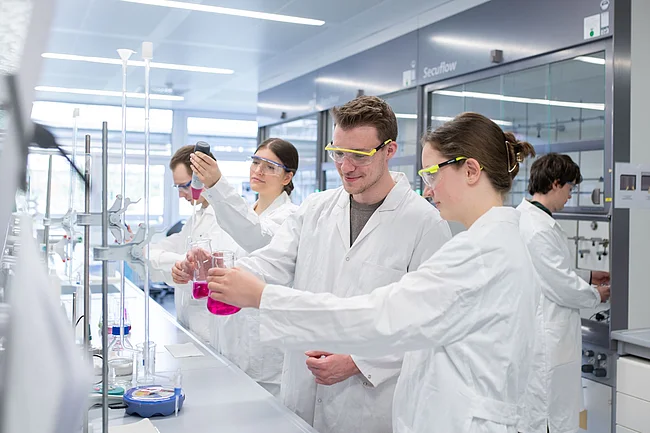
Master of Science (MSc)
English | Full-time | Next summer semester Next winter semester
to the Course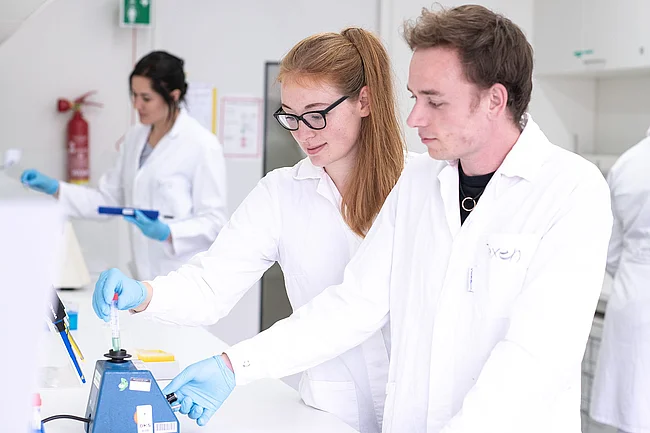
Master of Science (MSc)
German and English | Full-time | Next summer semester Next winter semester
to the Course