


Frequently Asked Questions about the Biomedical Engineering degree programme
Studienwahl
No prior knowledge is required. Enthusiasm for engineering is important. As in every engineering degree program, you should have good basic knowledge of mathematics and physics, which you can refresh at Math Trainigscamp in the run-up to the study start (September). An online bridge course in physics (https://obkp.mint-kolleg.kit.edu/) of the MINT-Kolleg Baden-Württemberg is also available.
During the studies, English skills become increasingly important, so basic knowledge is useful.
No, programming knowledge is not a prerequisite at the beginning of the study. Programming skills are very welcome, of course, but prior knowledge is not required. During your studies, you will take several modules in which you will learn the necessary skills and get application-oriented practice in programming. You can apply programming tasks directly to biomedical problems. You will most likely need a laptop during your studies.
In engineering programs in Ulm, we offer an excellent care relationship. Uncomplicated and quick contact with the lecturers, study consultants, etc. is possible at any time.
The salary of an engineer depends heavily on the degree (B.Sc., M.Sc. or Ph.D.), the region and industry. In industrial research and development, salary is usually higher than in public employers. Especially in the area of networking of medical devices and artificial intelligence (AI) in medicine, there is strong demand, which pushes wages upwards. Not to be confused are the salaries of medical technicians who are responsible for the maintenance and maintenance of equipment, which are usually a little lower.
The Bachelor's degree program Biomedical Engineering has no requirement for a grade rate average.
The Bachelor's degree program in Biomedical Engineering is not restricted to admission at the University of Ulm and is therefore not subject to the Numerus Clausus (NC). You can apply for the fall semester like all other admission-free bachelor’s degree programs. As at all universities in Baden-Württemberg, a study orientation procedure must have been completed beforehand.
The Biomedical Engineering degree program is at the intersection of engineering, health sciences and medicine. The focus is on the development of technologies for medical applications and research into living systems. The study at the University of Ulm is research-oriented and therefore covers all levels of academic training such as Bachelor (B.Sc.), Master (M.Sc.) and Doctorate (Ph.D.).
At the University of Ulm, the Bachelor of Biomedical Engineering is mainly taught in German, but there may be individual modules or content in English. The English content increases gradually, as a lot of literature and technical terms are only available in English.
In the Master of Biomedical Engineering (or "Biomedical Engineering") English is the main language, but German-language modules can also be offered or occupied.
The thesis work is expected to be written in English, but a computation in German can also be arranged in advance with the examiner.
The enrollment period for non-admission-restricted Bachelor's degree programmes is at the end of September. You can find the exact date for the enrollment period here: www.uni-ulm.de/studium/bewerbung-und-immatrikulation/biomedical-technology-zulassungsfreier-bachelor/
B.Sc. Biomedizinische Technik
Vor Beginn deines Studiums kannst du im September am Mathe-Trainingscamp teilnehmen. Unsere Fachschaft bietet dir auch die ESE.(Erstsemestereinführung) an, bevor das Semester beginnt. Hier erhältst du hilfreiche Informationen zum Studium, lernst aber auch deine Mitstudierende und die Struktur der Universität kennen. In den ersten Semestern gibt es zahlreiche zusätzliche Angebote in Form von Tutorien wie z.B. die Learning Lounge.
Das Fokusprojekt ist ein Anwendungsprojekt in welchem eine Gruppe von Studierenden ein jährlich wiederkehrendes Medizintechnikthema gemeinsam bearbeiten und weiterentwickeln. Für das Fokusprojekt werden 12 ECTS vergeben. Der Umfang der Miniprojekte ist halb so groß und diese werden individuell durchgeführt. Die zwei Miniprojekte müssen sich thematisch, inhaltlich und von der Betreuung (anderes Institut) unterscheiden. Beide Projektarten sind geeignet, um sich für die Bachelorarbeit vorzubereiten. Die Bachelorarbeit darf thematisch eine Weiterführung eines der Projekte sein.
Eine frühzeitige Planung ist sehr wichtig, mindestens ein Jahr bevor du ins Ausland gehen willst. Du kannst sich gerne an deine Studiengangkoordinatorin und das International Office wenden.
Im Prinzip ja. Siehe die allgemeinen FAQ Studiengangwechsel
Eine Bachelorarbeit soll in englischer Sprache abgefasst werden. Mit Zustimmung der Erstprüferin oder des Erstprüfers vor Beginn der Arbeit kann sie auch in deutscher Sprache abgefasst werden. So sieht es die FSPO vor.
Du muss einen Antrag bei dem Prüfungsausschuss stellen. Alle Information dazu, wie du diesen Antrag stellen und einreichen kannst, findest du hier
Auch der/die Studienfachberater/in kann dir helfen.
M.Sc. Biomedizinische Technik
Das ist prinzipiell möglich. Du benötigst einen Erstprüfer von deinem Fachbereich und eine Genehmigung des Prüfungsausschusses.
Allgemein zum Studium an der Uni Ulm
Besuchen sie die FAQ Studium und Lehre
Quicklinks for Biomedical Engineering
News
Studyplan
Bachelor B.Sc.
Master M.Sc.
Research
Apply
Admitted. Now what?
Career
Contact
Documents
FAQ
Do you have any questions?
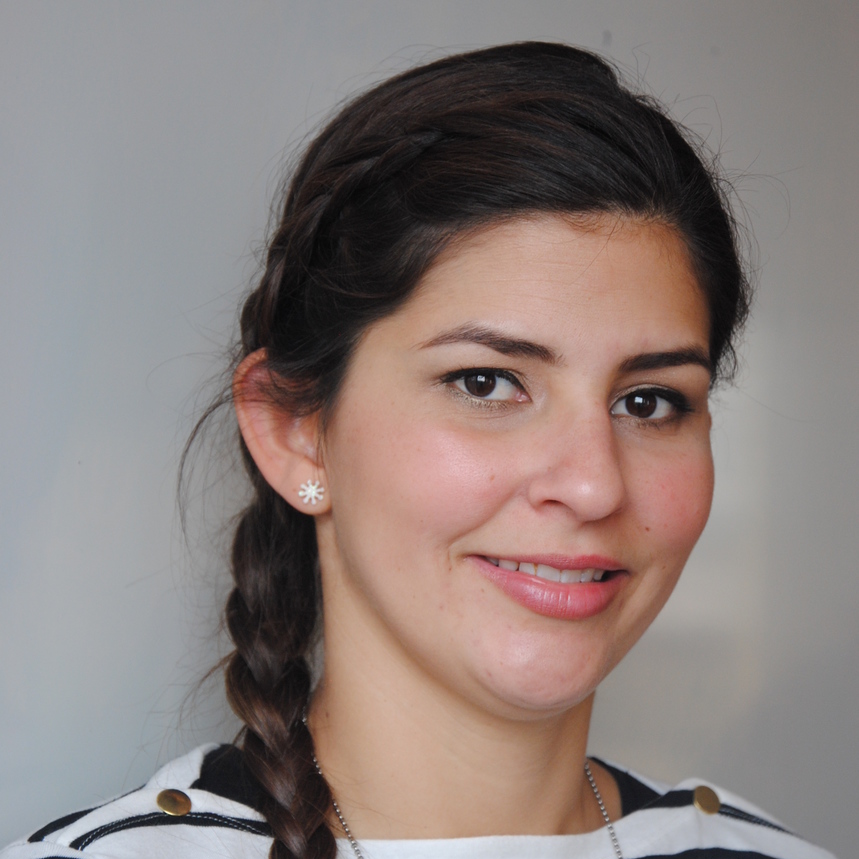
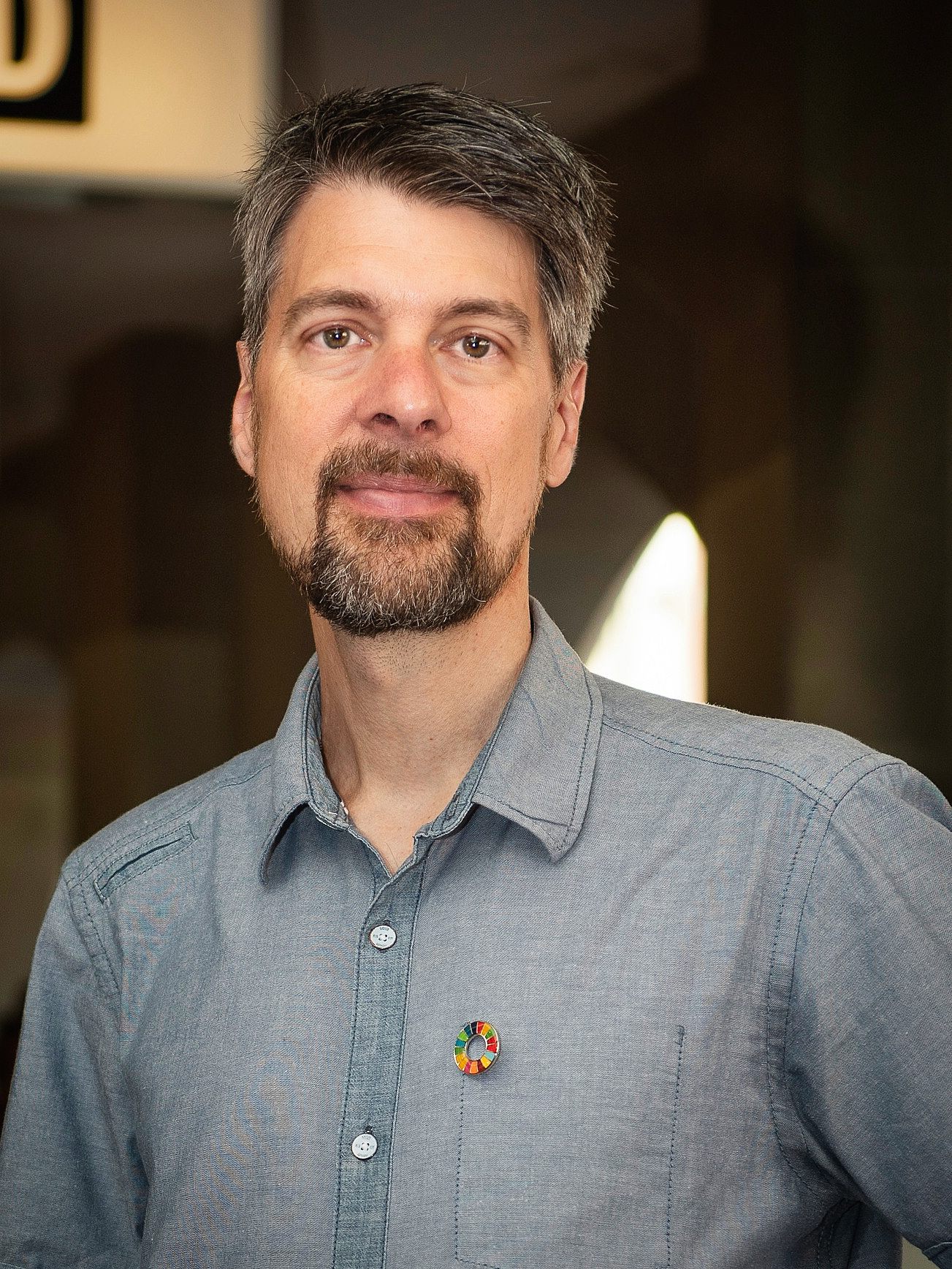
Course advisors BMT
Dr.-Ing. Margarita Puentes-Damm
Bachelor and Master
Tel: +49 731 50-26006
Mail: margarita.puentes-damm(at)uni-ulm.de
Dr. Jörn Justiz
Institut für Biomedizinische Technik
Albert-Einstein-Allee 45.2.221
Tel: +49 731-50-27303
Mail: joern.justiz(at)uni-ulm.de