Research topics at a glance
- Stem cell ageing
- Leukaemia and other cancers
- Endogenous peptides for therapy
- Neurodegenerative diseases




At Ulm University, our research focuses on the human aging process, the development of diseases throughout different life stages, and the body’s response to severe injuries.
Ulm University dedicates its leading expertise to the major health issues of our time. Our researchers work across disciplines to understand the biological basis of ageing, improve knowledge of age-related diseases such as cancer and neurodegenerative disorders, and develop new approaches to treatment and prevention.
At the same time, Ulm University is one of Germany’s leading centres for trauma research. Researchers examine how the body responds to serious injuries, which factors influence healing, and how the physical and psychological consequences of trauma can be treated effectively.
Using state-of-the-art technology, personalised medicine, strong research networks, and interdisciplinary collaboration, Ulm University generates knowledge that shapes the future of medicine – supporting a healthy life across all stages.
Research at Ulm University has a clear objective: to enable healthy ageing. Scientists study ageing at the cellular and molecular level, identifying the factors that influence the process and developing strategies to detect or treat age-related diseases at an early stage. Interdisciplinary teams work to translate basic research findings into clinical practice.
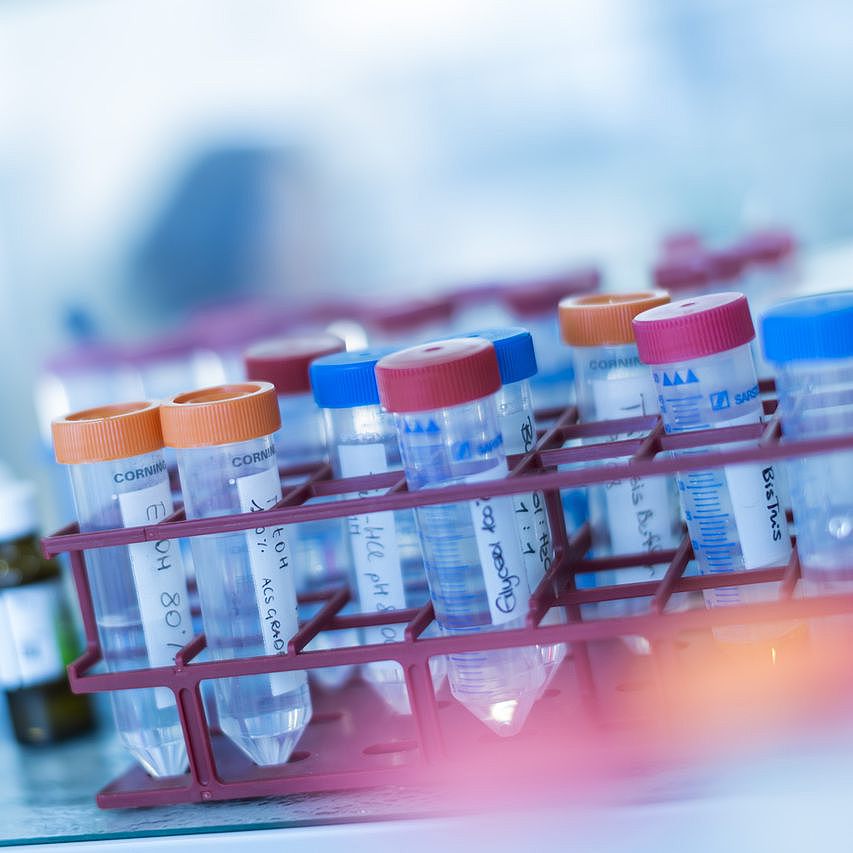
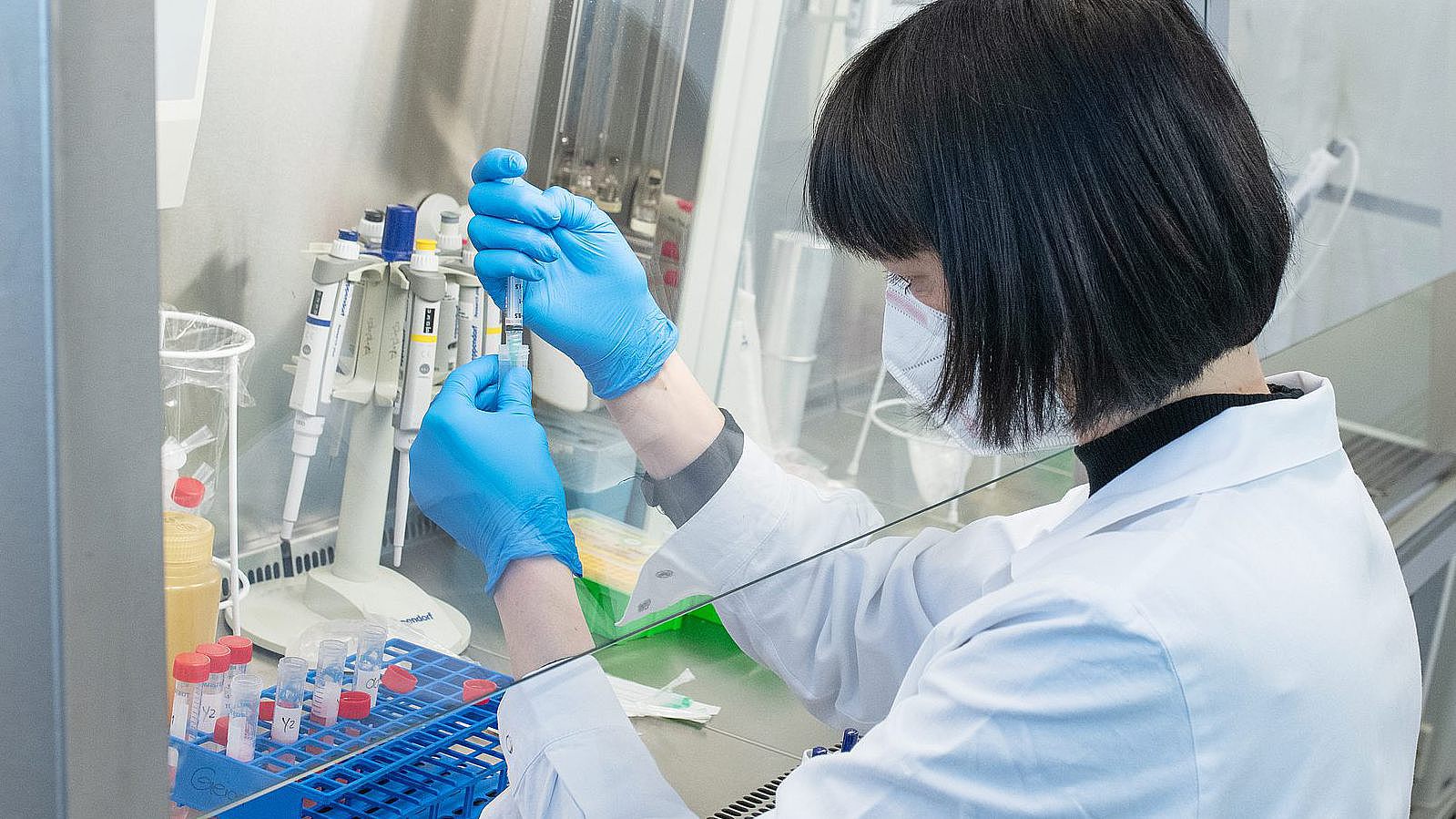
Since 2021, researchers at the CRC 1506 ‘Aging at Interfaces’ at Ulm University have been investigating how and why the human body ages. The research focuses on cellular and molecular interfaces that influence the ageing of tissues, organs, and the entire organism. The goal is to support not only a long life but also a healthy one.
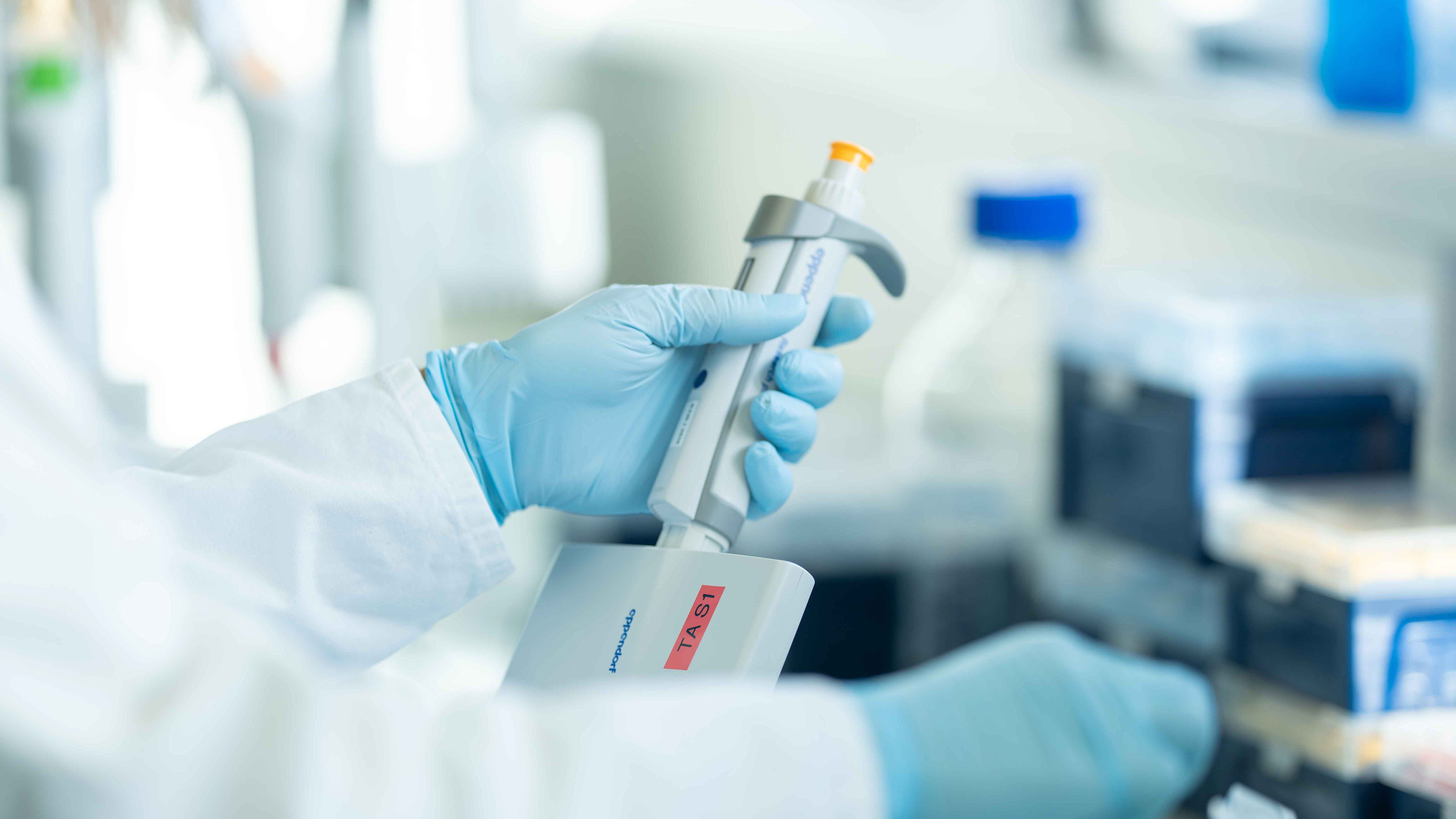
At the Comprehensive Cancer Centre Ulm (CCCU) of Ulm University Hospital and the Faculty of Medicine, patients with malignant tumours receive the highest standard of care. Treatments incorporate the latest oncology research and offer opportunities to participate in clinical studies. The CCCU is one of Germany’s 15 leading cancer centres and, together with Tübingen-Stuttgart, established the ‘NCT-SouthWest’ site of the National Centre for Tumour Diseases (NCT).
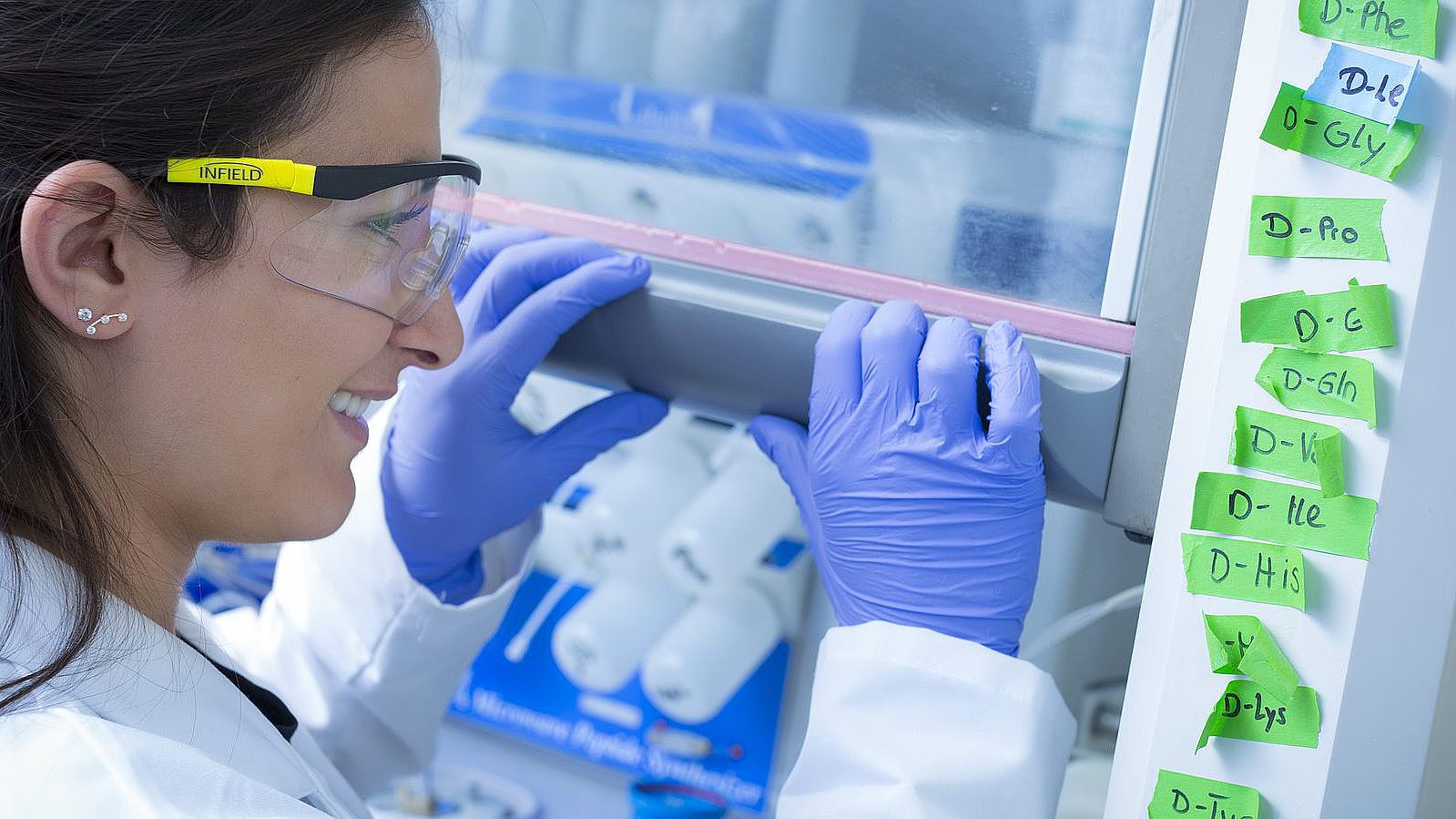
At the CRC 1279 ‘Exploiting the Human Peptidome for Novel Antimicrobial and Anticancer Agents’, researchers at Ulm University are studying small protein building blocks called peptides, which occur naturally in the body and can combat pathogens or cancer cells. The aim is to develop new therapies inspired by the body’s own mechanisms.
Ulm is a centre for world-class neurological research and is part of the German Centre for Neurodegenerative Diseases (DZNE). Researchers at the University, University Hospital and rehabilitation and university clinics investigate serious diseases such as ALS or Huntington's disease. Particular attention is paid to biomarkers that can be used to recognise diseases early and track their progression.
Health trajectories are established early in life. Scientists at the Ulm site of the German Centre for Child and Adolescent Health (DZKJ) investigate metabolic, immune, and psychological conditions that affect both childhood and adult health. Experts from medicine, psychology, and the natural sciences collaborate closely.
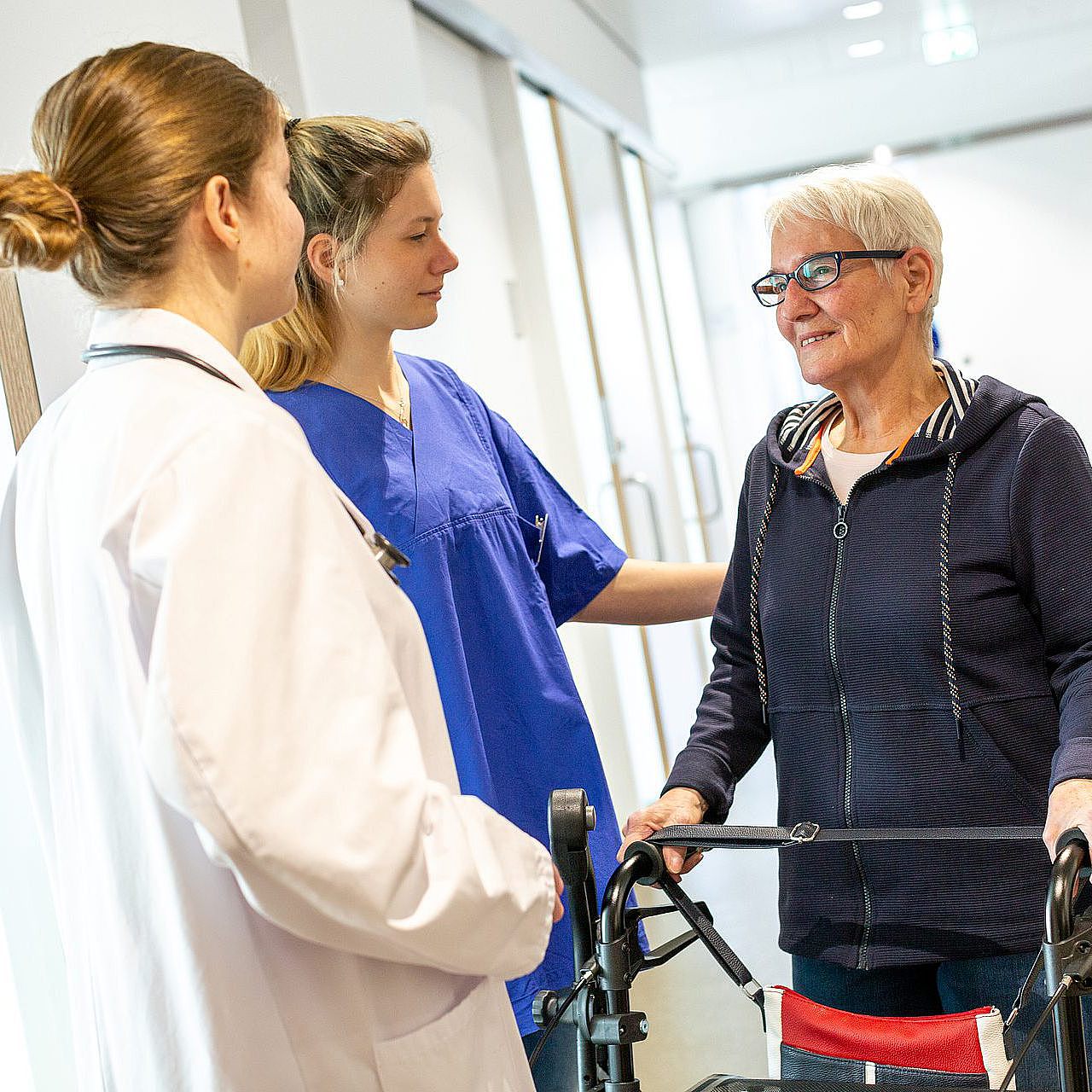
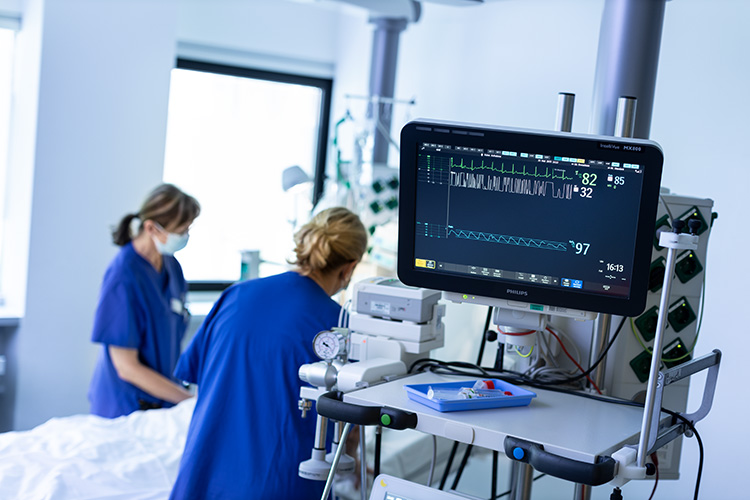
Trauma research in Ulm is among the most advanced and well-connected in Germany. Researchers from medicine, psychology, molecular biology, and the life sciences collaborate to understand how the body responds to injuries. Combining excellent basic research, clinical expertise, and advanced infrastructure, Ulm University is a key centre for multidimensional trauma research.
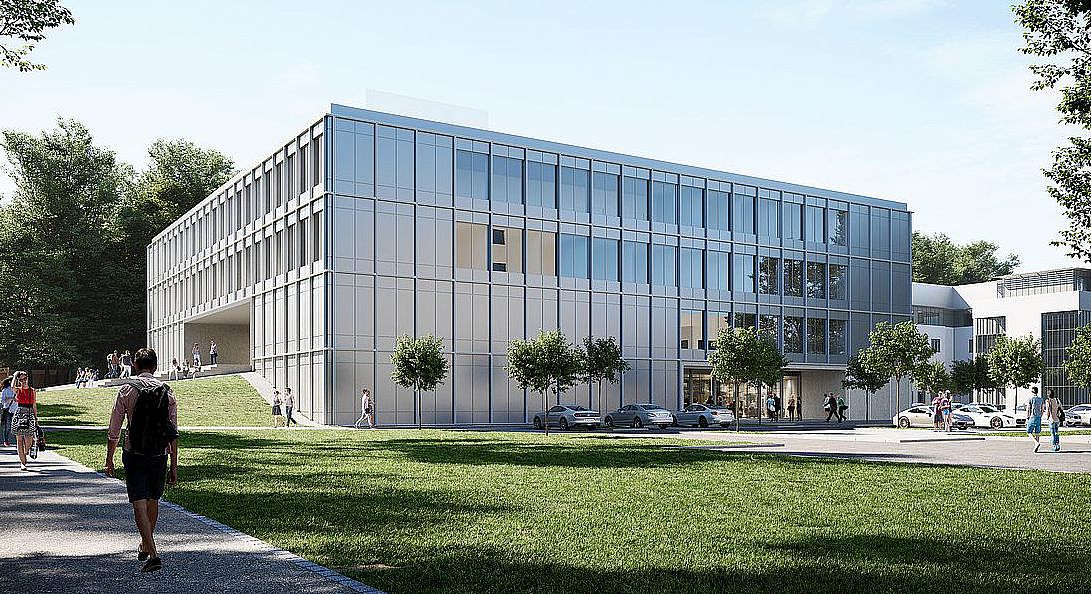
The new research building for Multidimensional Trauma Sciences is currently under construction on the Ulm University campus. Equipped with specialised laboratories, a biobank, and a dedicated clinical study centre, the MTW building is one of the most advanced of its kind. Funding comes from federal, state, and Faculty of Medicine sources.
Since 2015, the Collaborative Research Centre 1149 ‘Danger Response, Disturbance Factors and Regenerative Potential after Acute Trauma’ has studied the body’s response to severe injury. Researchers analyse processes at the molecular level and develop approaches to improve healing and regeneration. Funding from the German Research Foundation (DFG) continues until 2026.
The Centre for Trauma Research in Ulm is a transdisciplinary, virtual research centre. It is unique in Germany and internationally recognised. At the interface of physical and psychological trauma, researchers investigate molecular interactions between mental and physical injuries. Fields including trauma surgery, biochemistry, and psychiatry, or child and adolescent psychiatry and psychotherapy, work closely together.
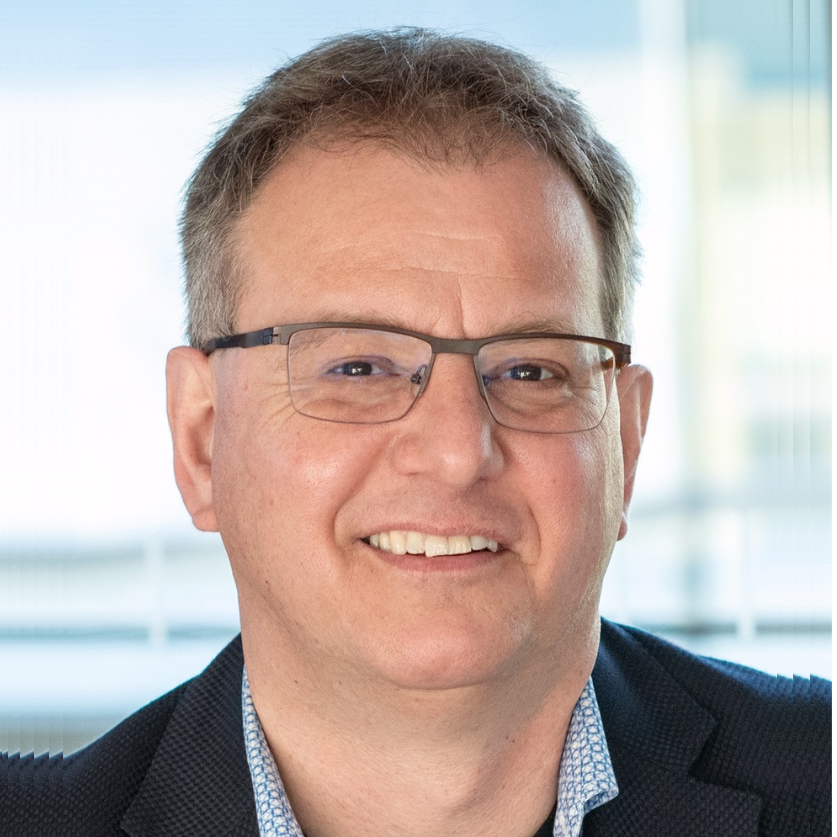
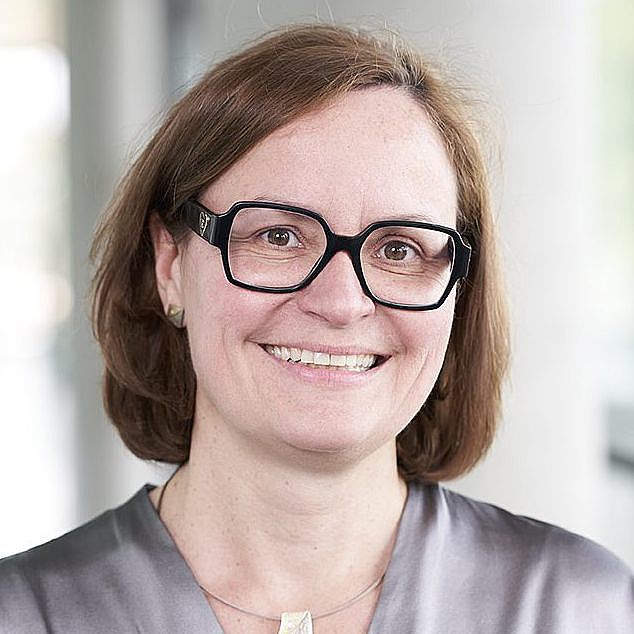
“We are investigating how ageing stem cells can be rejuvenated with the aim of making healthy ageing a reality.”
Prof. Hartmut Geiger
Institute of Molecular Medicine
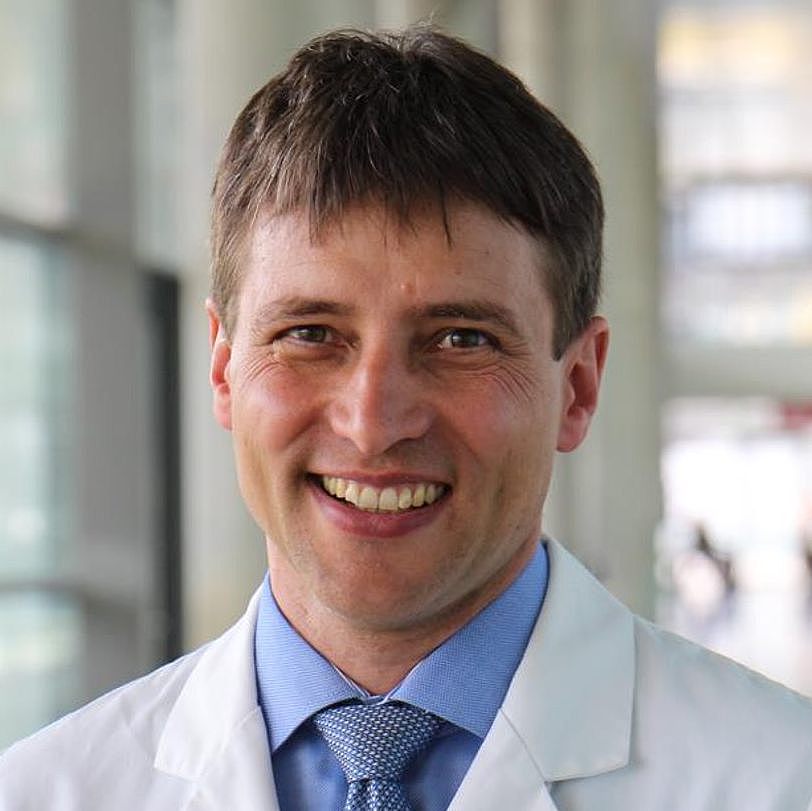
“Our mission at the paediatric clinic is to cure diseases and prevent their occurrence - through research and by empowering young people to take care of their health.”
Prof. Miriam Erlacher
Clinic for Paediatrics and Adolescent Medicine
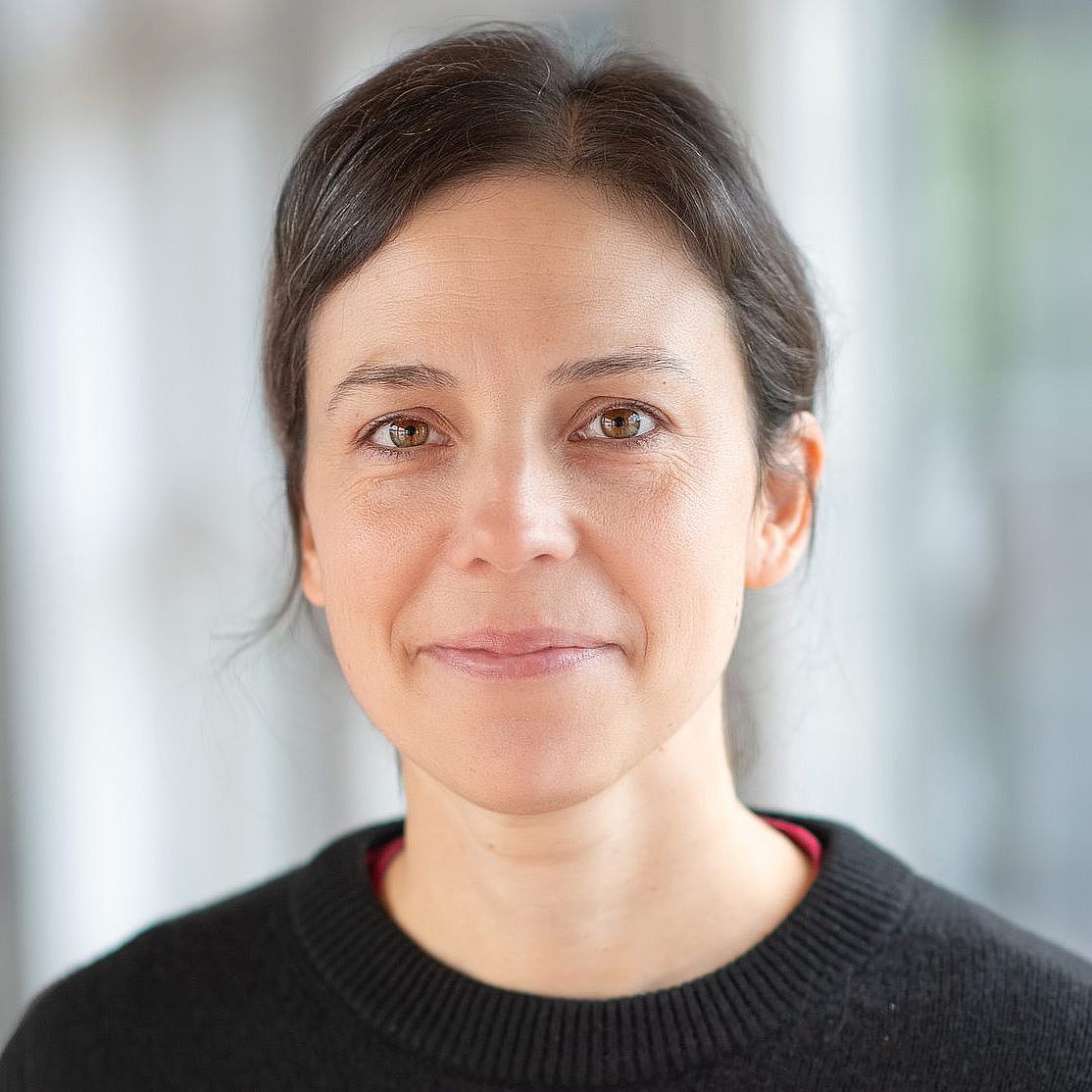
“We research how the body recovers from severe trauma with the aim of supporting a return to everyday life.”
Prof. Markus Huber-Lang
Institute of Clinical and Experimental Trauma Immunology
"By rethinking suicide prevention, we are pioneering new ways to provide meaningful support for those in need.”
Prof. Nathalie Oexle
Public Mental Health, Clinic for Psychiatry and Psychotherapy II
Excellence in life sciences and medical technology requires more than well-equipped laboratories. Specialised technology, expert support, and reliable processes are essential. The Ulm Life Science & Medicine Technology Centre (ULMTeC) provides these resources through its Core Facilities, offering advanced equipment and applied expertise to support research projects.
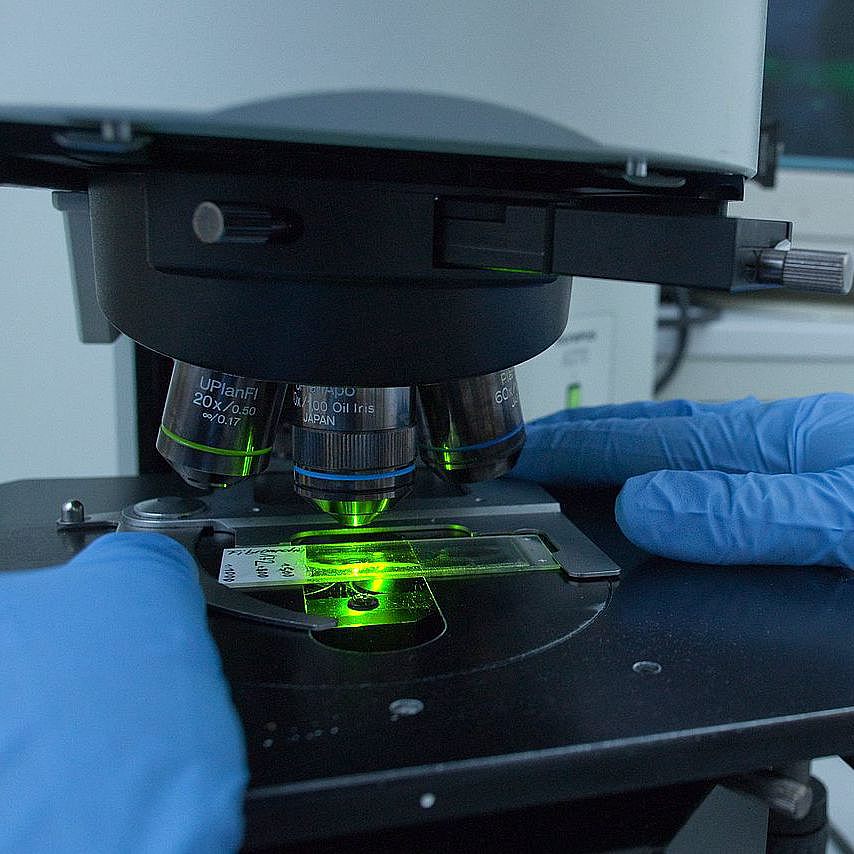
The Life Long Health research profile is closely connected to other focus areas at Ulm University. Many projects combine medicine with data science, AI, physics, or quantum research. Interdisciplinary collaboration integrates knowledge from different fields, supporting innovative methods, technologies, and insights that advance health research and create new approaches to diagnosis, therapy, and prevention.

Life Long Health – From Data to Knowledge
The national DIFUTURE consortium (Data Integration for Future Medicine) is part of the Medical Informatics Initiative and links medical data to improve understanding of diseases such as multiple sclerosis and Parkinson’s. In Ulm, medicine, computer science, and engineering collaborate to transform large datasets into knowledge for personalised medicine and data-driven research.
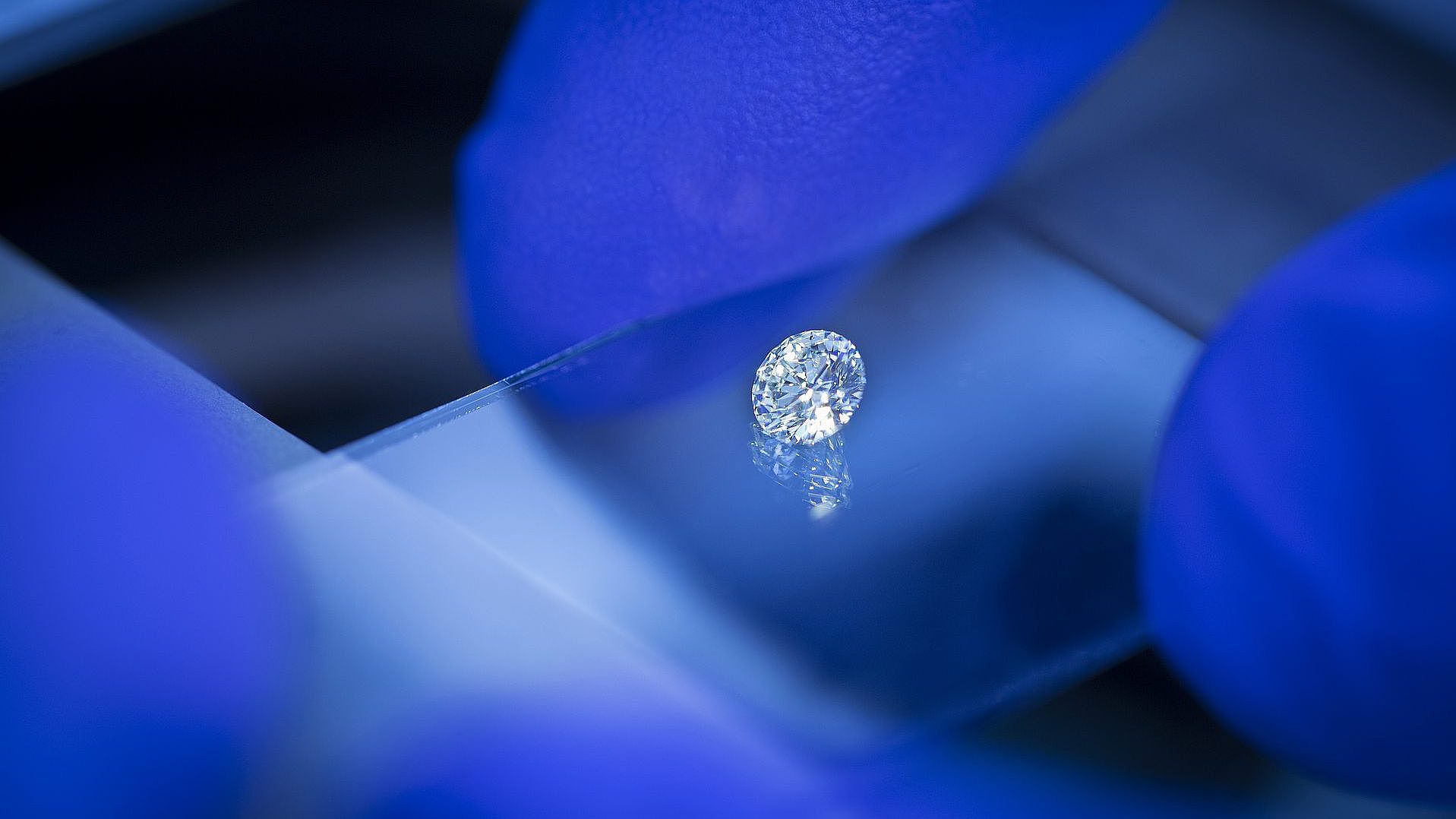
Life Long Health – Quantum Science and Technology
In the QSens Future Cluster, researchers from physics, engineering, and medicine are developing quantum sensors for precise measurements. Spin resonance techniques can analyse biological samples and support research into new treatments, enabling early detection of disease.
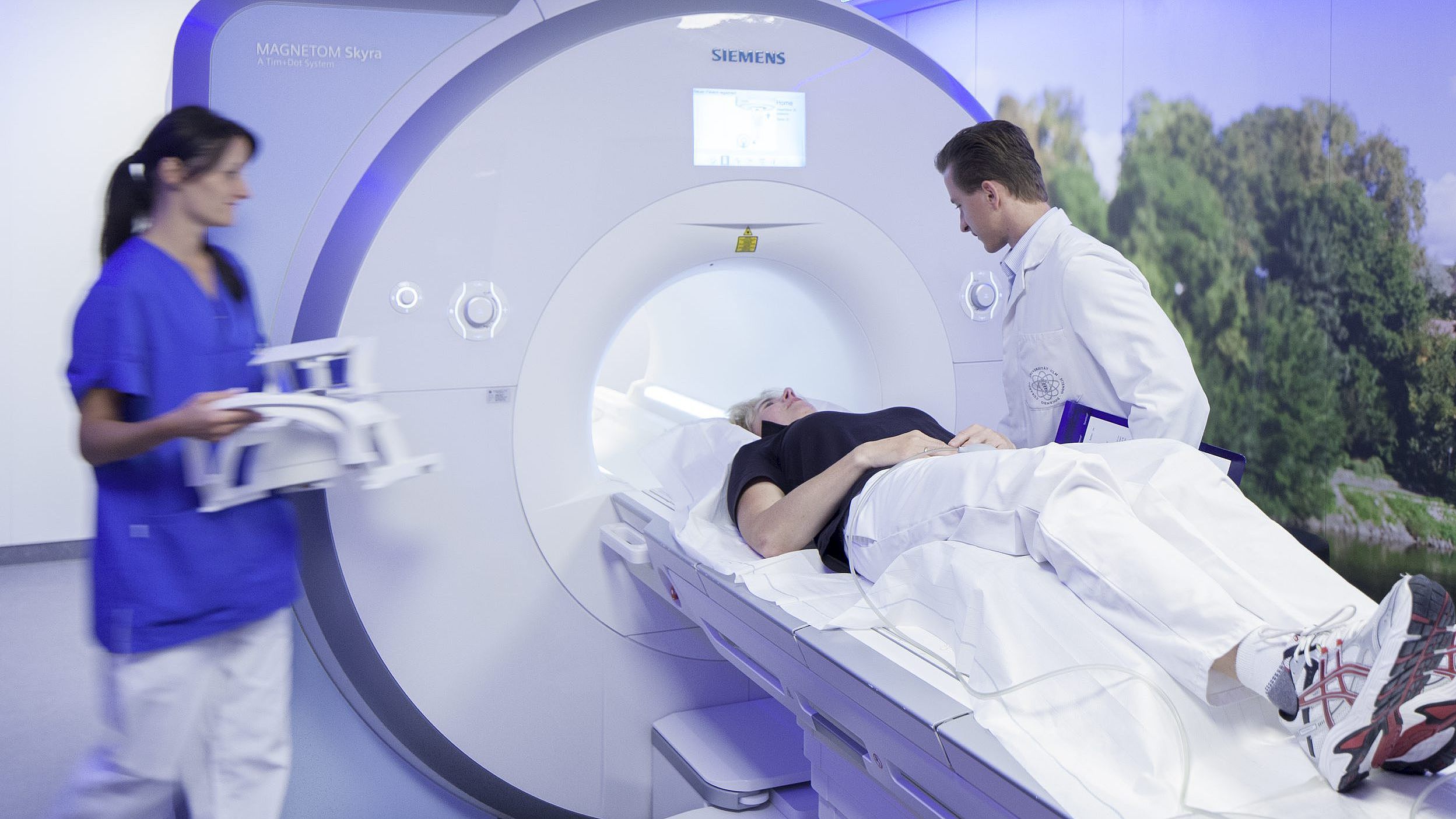
Life Long Health – From Data to Knowledge
The KEMAI research training group investigates how artificial intelligence can provide accurate and interpretable image-based diagnoses. Experts in computer science, medicine, and ethics collaborate to develop AI systems that deliver precise results understandable to clinicians.
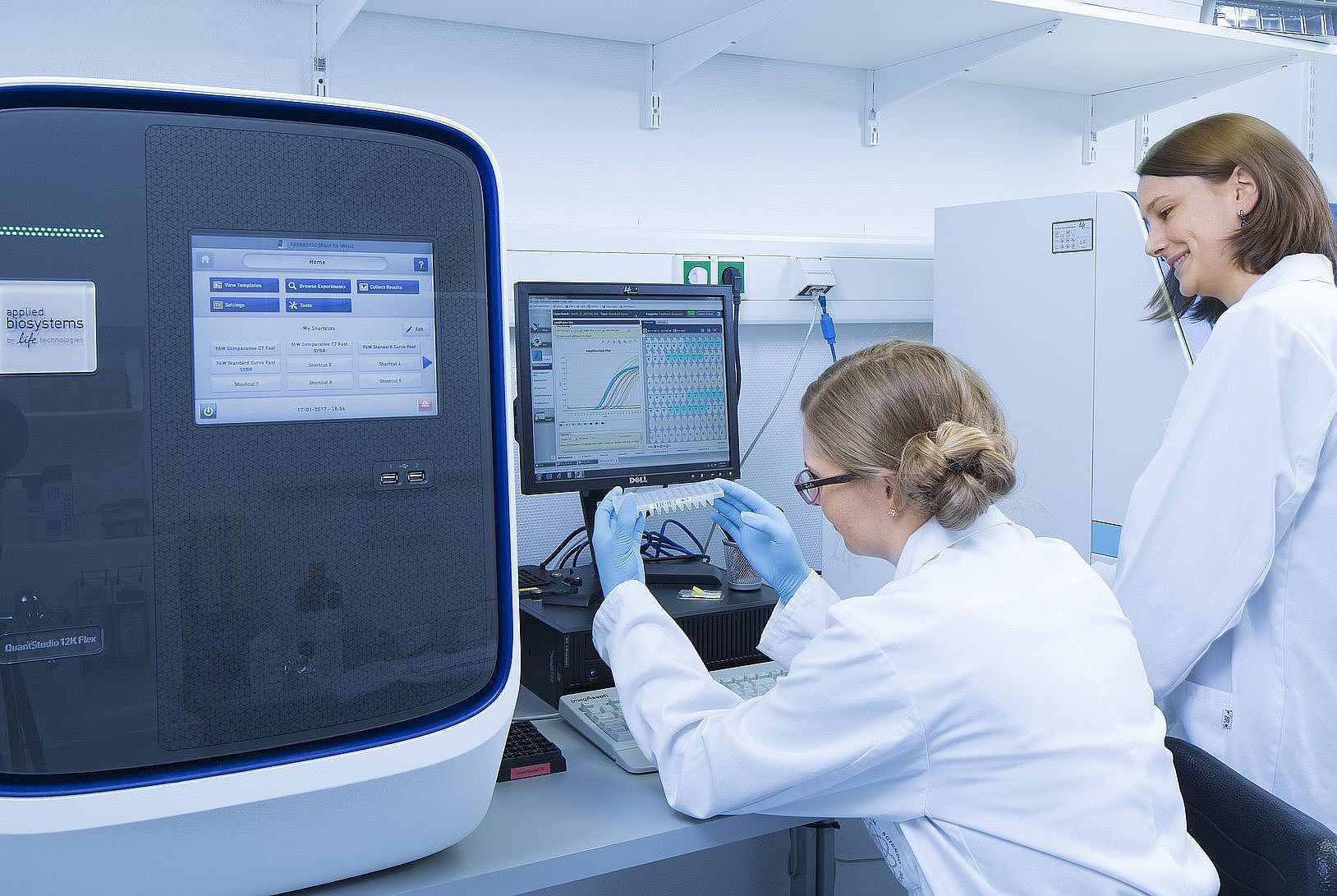
Young researchers drive medical innovation. At Ulm University, they can develop ideas, work interdisciplinarily, and raise the profile of their projects nationally and internationally. From early career support to structured doctoral programmes with a defined curriculum, the university provides a strong network for emerging scientists.
The Faculty of Medicine supports early-career researchers and clinicians through various funding programmes.
IGradU trains young researchers across biology, genetics, computer science, mathematics, physics, and engineering, offering mentoring, interdisciplinary training, workshops, and international networking.
From spring 2026, 20 doctoral candidates in life sciences and 10 medical students will model tumour tissue in 3D laboratory settings to develop personalised approaches to cancer treatment. Org-BOOST is funded by the DFG for five years with nearly €9 million.
FePro Ulm studies fertility preservation for cancer patients, individuals with endometriosis, transgender people, and women delaying family planning. The centre combines research and practical application in an interdisciplinary environment.
The Else Kröner Research School Ulm “Implementation of personalized tumour therapy into practice by optimizing predictive biomarker and model systems - POTENTIAL” combines innovative cancer research with dedicated support for early-career researchers. The programme provides an optimal research environment for exceptionally talented young physicians, enabling them to develop advanced methods for personalised cancer treatment while preparing for a successful career as clinician scientists under the close supervision of experienced researchers.
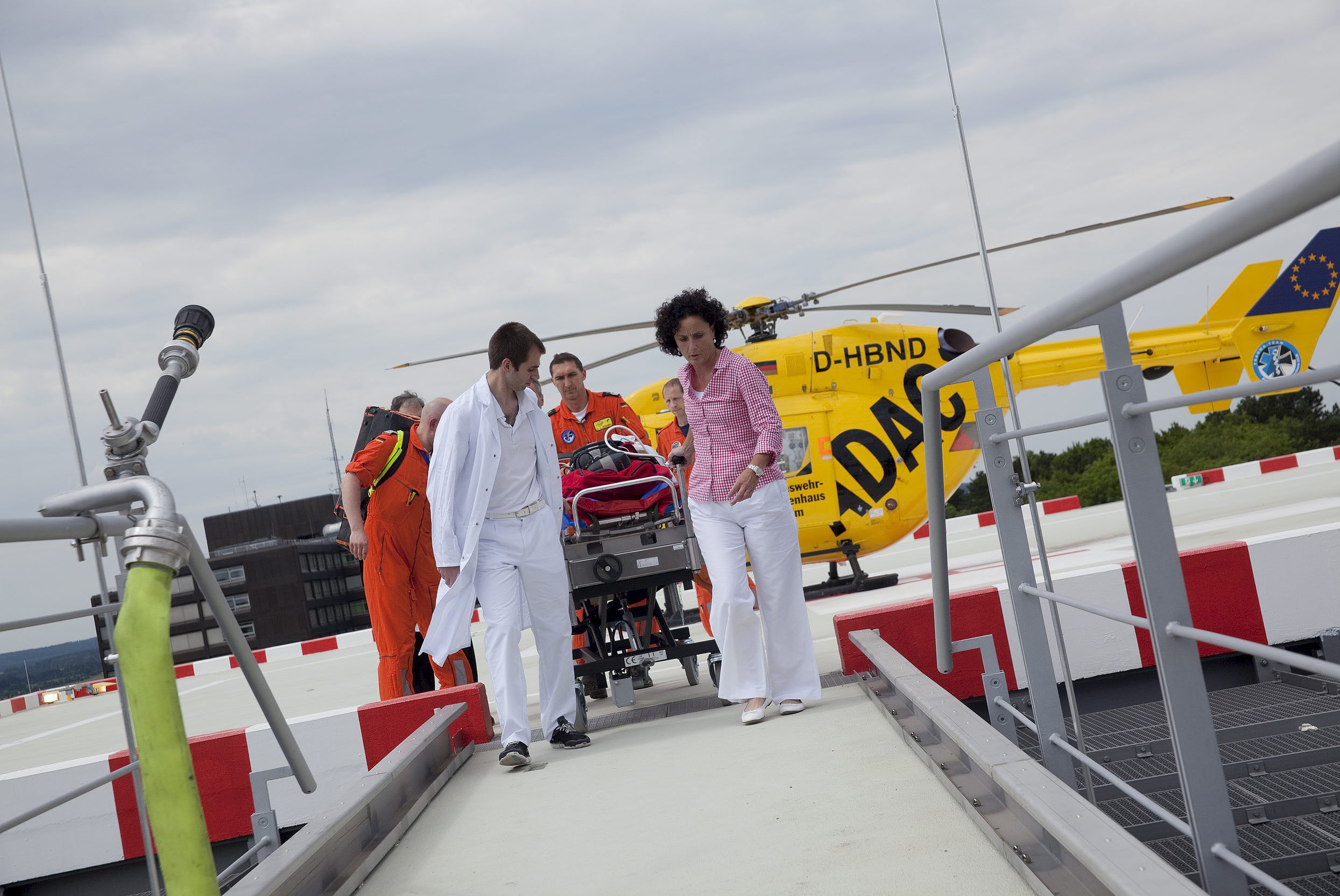
Research excellence depends on collaboration. In Ulm, the university and university hospital work closely with regional and national partners. Proximity between research, clinics, and high-tech companies ensures efficient collaboration, creating a continuum from research to clinical application.
The central partners include
Did you know?
Founded in 1967 as the ‘Medical and Natural Sciences University of Ulm’, it is the youngest university in Baden-Württemberg. Scientists and clinicians at the Faculty of Medicine conduct research and teaching at an internationally recognised level.